Selecting an effective system for controlling air pollution can help to achieve balance between environmental stewardship and industrial productivity
Air pollution is an ongoing worldwide concern that impacts people and ecosystems across the globe. The emission of pollutants like particulate matter, nitrogen oxides (NOx), sulfur dioxide (SO2) and volatile organic compounds (VOCs) into the atmosphere has serious health and environmental repercussions, including respiratory illnesses, the formation of smog and climate change (Figure 1). As industries continue to grow and urbanization expands, the need for effective and efficient air-pollution-control systems has never been greater. To address this challenge, a plethora of combustion and non-combustion clean air technologies have emerged as powerful tools in the fight against airborne contaminants.
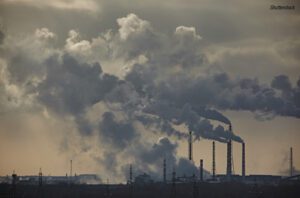
FIGURE 1. There are many technologies available to help mitigate the negative impacts of air pollution
Many approaches to achieve cleaner air often necessitate extensive changes to existing infrastructure and have limitations in terms of scalability and energy storage. Non-combustion-based clean air technologies present an effective route to achieving cleaner air without relying on combustion-based processes.
This article explores a variety of non-combustion clean air technologies, with special focus on soil vapor-extraction (SVE) systems, chemical scrubber systems, air strippers, oil-water separators, carbon-bed systems and fabric filters (also known as dust collectors or baghouses). These technologies enable companies to strike a balance between environmental stewardship and operational efficiency.
Soil vapor extraction
Soil vapor extraction (SVE) is often employed in the remediation of soil and groundwater contamination. SVE is effective in addressing VOCs and other hazardous air pollutants (HAPs). SVE systems remove volatile contaminants from the subsurface by applying a vacuum to the soil. This vacuum induces the flow of air and contaminants towards extraction wells or vents, where they are then transported to treatment systems for purification.
Applications and benefits. SVE systems are widely used for environmental remediation, brownfield redevelopment and controlling emissions from underground storage tanks. This equipment is commonly employed in industrial environments where the coexistence of oil and water mixtures arises as a consequence of manufacturing processes, found in such facilities as wastewater treatment plants, petroleum refineries and petrochemical plants. In addition to helping sites achieve compliance with stringent environmental regulations, SVE offers several other advantages related to cost and environmental preservation. SVE systems are an especially cost-effective means of remediating contaminated sites, because they can reduce the need for extensive excavation or costly chemical treatment methods. By safely extracting and treating contaminants, SVE systems prevent further damage to soil and groundwater, contributing to overall environmental preservation (Figure 2).
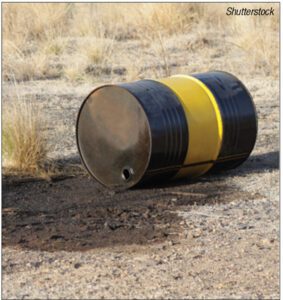
FIGURE 2. Soil vapor extraction is an effective method for mitigating soil contamination
Challenges and considerations. Implementing SVE systems can be an effective method for remediating contaminated soil and groundwater, but it comes with several challenges and considerations. Below are some key factors to keep in mind when planning and executing an SVE project:
Site characterization. Comprehensive site characterization is crucial to understand the nature and extent of contamination, as well as the physical and chemical properties of the soil and groundwater.
Contaminant type and concentration. The type and concentration of contaminants in the soil will influence the design of the SVE system. Some contaminants may be more challenging to remove than others.
Energy consumption. SVE systems can be energy-intensive, especially when dealing with large or deep contamination plumes. It is essential to consider the energy costs and environmental impact associated with the operation.
Chemical scrubber systems
Chemical scrubber systems represent another crucial facet of non-combustion clean air technologies, offering a reliable method for removing gaseous pollutants from industrial emissions. These systems pass exhaust gases through a chemical scrubbing solution, which reacts with and neutralizes pollutants. The treated gases are then released into the atmosphere, significantly cleaner and safer.
Applications and benefits. Chemical scrubber systems find applications in a variety of industries, including petrochemicals, pharmaceuticals and metal fabrication. Their benefits include high removal efficiency, safety and simplified environmental compliance. Chemical scrubbers can effectively remove a wide range of gaseous pollutants, making them versatile in addressing diverse emission sources. They are especially useful for capturing hazardous gases, enhancing workplace safety and reducing health risks. Furthermore, compliance with emissions regulations is easier to achieve with chemical scrubbers in place.
Challenges and considerations. One of the primary challenges is the cost associated with designing, purchasing, installing and maintaining a chemical scrubber system. The initial investment may deter some organizations from adopting this technology.
Additionally, chemical scrubber systems often require significant physical space for installation. Space considerations can be a major limitation, especially in existing industrial facilities where retrofitting may be necessary. Finally, while chemical scrubbers can be effective at reducing emissions, they can also have environmental impacts, such as the production and disposal of scrubbing chemicals.
Air strippers
Air strippers play a vital role in treating contaminated groundwater and wastewater, helping to alleviate the burden of waterborne pollutants on the environment. Air strippers transfer volatile contaminants from water into the air. This is achieved using aeration and stripping towers, where contaminated water is exposed to air, allowing volatile compounds to vaporize and be carried away.
Applications and benefits. Air strippers are extensively used in the treatment of groundwater and wastewater. Air strippers excel in removing VOCs from water. Some air-stripping systems can recover and recycle certain chemicals, further contributing to sustainability efforts. Air strippers can be configured to handle various flowrates and pollutant types, making them adaptable to different treatment scenarios.
Challenges and considerations. Implementing an air stripper system can be a complex task, and there are various challenges and factors that must be considered to ensure its successful implementation, such as:
Contaminant types. Air strippers are most effective at removing volatile contaminants. If the target contaminants are non-volatile or have low volatility, alternative treatment methods may be more suitable.
Water chemistry.The pH and chemical composition of the water can affect the performance and longevity of air stripper components. It is crucial to monitor and adjust these parameters as needed.
Operating conditions. Ensure that the air-stripper system operates within its design specifications. Factors such as air-to-water ratios, air pressure and water temperature should be carefully controlled and monitored.
Oil-water separators
In industrial settings, the separation of oil and water is crucial to prevent the release of hydrocarbons into the environment. Oil-water separators are used to achieve this separation efficiently. Oil-water separators employ various techniques, including gravity separation and coalescence, to separate oil from water. As water and oil enter the separator, they undergo a process that allows the oil to rise to the surface, where it can be skimmed off and removed.
Applications and benefits. Oil-water separators are commonly found in many manufacturing sectors, such as automotive, aerospace and other industrial processes. These systems provide environmental protection by preventing oil discharge into water bodies. They also help industries to meet strict environmental regulations governing oil discharge (Figure 3). Furthermore, properly functioning oil-water separators can reduce disposal costs and minimize potential fines.
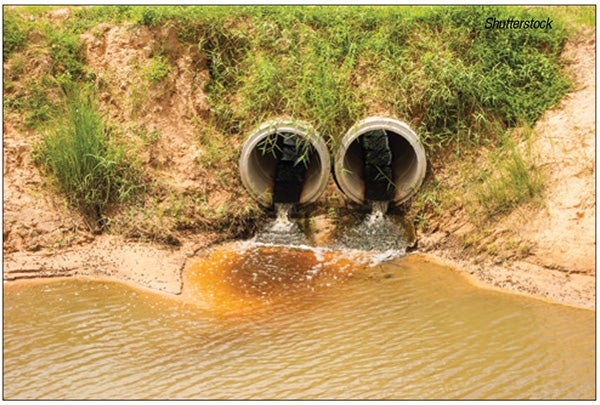
FIGURE 3. There are often strict environmental regulations related to the discharge of oil into water bodies
Challenges and considerations. One of the primary considerations in the deployment of oil-water separators is ensuring that the system complies with all local, state and federal regulations. Regulations may dictate the type of separator required, discharge limits and maintenance requirements. Also, selecting the right materials for the separator is essential. Materials must be compatible with the wastewater stream to be handled. Resistance to corrosion and degradation are also crucial factors in materials selection. Cost is another important consideration. The installation of oil-water separators can be expensive, encompassing expenses for equipment, construction and engineering. It is crucial to evaluate both the initial budget limitations and the potential for longterm cost savings.
Carbon-bed systems
Carbon-bed systems, also known as activated-carbon adsorption systems, are a valuable tool in capturing and removing gaseous pollutants and VOCs from industrial emissions.
These systems utilize activated carbon, a highly porous material with a large surface area, to adsorb pollutants from exhaust gases. As the gases pass through the carbon bed, pollutants become trapped on the carbon’s surface. To learn more about activated carbon, see Introduction to Activated Carbon, Chem. Eng., May 2023, pp. 26–31.
Applications and benefits. Carbon-bed systems are employed in a wide range of industries, including food processing, chemical manufacturing and pharmaceuticals. Their advantages include high efficiency and versatility. Activated carbon has a remarkable adsorption capacity, allowing for the efficient removal of a wide variety of pollutants. Carbon-bed systems can be customized to target specific contaminants, ensuring optimal performance.
Challenges and considerations. Implementing carbon-bed systems for the purpose of air or water purification can be a complex and challenging process. Below are some of the key challenges and considerations to keep in mind when implementing carbon-bed systems:
System design. Designing an effective carbon-bed system requires a thorough understanding of the specific contaminants to be removed and the flowrates involved. The system must be designed to ensure proper contact time between the contaminated air or water and the carbon bed for efficient adsorption.
Carbon selection.Choosing the right type of activated carbon is critical. Different types of carbon have varying adsorption capacities for different contaminants. Consider factors like pore size, surface area and the presence of impurities when selecting the appropriate carbon media for a particular application.
Temperature and humidity. Temperature and humidity levels can affect the adsorption capacity of the carbon bed. Extremes in temperature and humidity should be considered and controlled if necessary.
Fabric filters
Fabric filters, often referred to as dust collectors or baghouses, are integral to the control of particulate-matter emissions from industrial processes, playing a pivotal role in maintaining air quality standards. Baghouses consist of an array of fabric filter bags or cartridges that capture particulate matter as exhaust gases pass through them. The collected particulate matter is periodically removed and disposed of, while clean air is released into the atmosphere.
Applications and benefits. Fabric filters are ubiquitous in industries like cement production, coal-fired power plants and metalworking. Their advantages include high efficiency, cost-effectiveness and ability to effectively achieve compliance with strict regulatory standards governing particulate-matter emissions. Baghouses can achieve extremely high particle-removal efficiencies, reducing airborne pollutants to negligible levels. They are known for their long service life and low maintenance requirements.
Challenges and considerations. Implementing fabric filter systems can be an effective way to control air pollution and remove particulate matter from industrial processes, but there are several challenges and considerations that need to be kept in mind during the operation of the system, described below:
Cost. Fabric filter systems can be expensive to purchase and install. Even beyond the initial investment, they also introduce ongoing operating costs, including energy consumption, maintenance and periodic replacement of filter bags.
Emission monitoring. Many baghouse systems require continuous emission monitoring to ensure that they are meeting regulatory requirements. Implementing and maintaining this monitoring system can require significant effort.
Safety. Baghouse systems can pose safety risks during maintenance and operation. Proper safety procedures, training and equipment are essential to protect workers.
Non-combustion clean air technologies have emerged as indispensable tools in the ongoing battle against air pollution and environmental degradation. Each type of system offers unique solutions to address various sources of pollution in different industrial sectors. In selecting an air pollution control technology, it is crucial to understand the intricate relationship between environmental stewardship and industrial productivity. These technologies can not only ensure compliance with stringent regulations, but also demonstrate a commitment to environmental sustainability. ■
Authors
 Anoosheh Oskouian is president and CEO of Ship & Shore Environmental, Inc. (S&SE; 2474 North Palm Drive, Signal Hill, CA 90755; Phone: 562-997-0233; Email: anooshehm@shipandshore.com), a woman-owned business specializing in air-pollution capture and control systems for industrial applications. Ship & Shore helps manufacturers meet volatile organic compound abatement challenges by providing customized air pollution-abatement systems for various industries. Oskouian is the environmental industry’s only female CEO. She has expertise in air-pollution abatement and energy recovery, with over two decades of experience in industrial and commercial project construction of air design and fabricating combustion equipment, including thermal and catalytic oxidizers, boilers, burners, carbon and zeolite absorption mechanisms.
 Anu D. Vij is chief operating officer (COO) of Ship & Shore Environmental, Inc. (same address as above; Email: avij@shipandshore.com). Vij has over 20 years of experience in the environmental, chemical, petrochemical and air-pollution control industries, and has specific expertise in thermal oxidation technologies. As COO of Ship & Shore, he oversees several business units, including sales, engineering, project management, procurement and production. Prior to joining Ship & Shore, Vij directed several engineering teams at different companies. He holds a M.S.Ch.E from the University of Southern California, and a B.S.Ch.E from Panjab University in India.