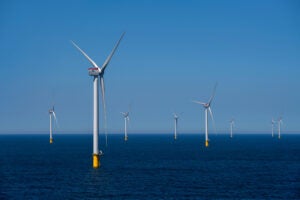
BASF (Ludwigshafen, Germany; www.basf.com) is shifting its eligible polyisobutene (PIB) portfolio produced in Europe for external customers to run entirely on renewable electricity. The full transition of eligible Oppanol® B and Glissopal® to 100 percent renewable electricity will be completed from January 2027. This can be achieved by combining renewable power already used at BASF’s sites with additional volumes attributed through a mass-balance chain-of-custody approach. In Ludwigshafen and Antwerp, this includes power from the Hollandse Kust Zuid offshore wind farm, co-owened by BASF, and long-term power purchase agreements.
This contributes to BASF’s sustainability target of sourcing more than 60 percent of its electricity from renewable sources by 2030.
Further reducing the carbon footprint
Renewable electricity will become the new standard for eligible European PIB products and the transition will be seamless: no product requalification is required, and existing sales articles will remain unchanged. In addition, BASF offers Glissopal and Oppanol B grades with a 100 percent cradle-to-gate Product Carbon Footprint reduction (“ZeroPCF” products)2. This provides customers with additional options to reduce the Product Carbon Footprint of their products, depending on product composition and the PCF methodology applied.
“With Oppanol and Glissopal, we combine innovative applications with the performance, quality and reliability our customers know and trust,” said Sabrina Platzek, Senior Vice President Fuel and Lubricant Solutions at BASF. “By lowering the carbon footprint of Oppanol B and Glissopal, we are taking another concrete step to support our customers in achieving their sustainability ambitions. ”
Customers use PIB products in a wide range of applications, from fuels and lubricants to the production of products such as chewing gum, window seals, stretch films, adhesives, automotive sealants, pipelines and electronics.