The role of methanol in the global chemical and energy-transition industries is evolving. Innovations in the production of methanol are reducing its carbon footprint
Methanol is undergoing a transformation from a commodity chemical to an important enabler of the global energy transition. Already one of the most widely produced and traded chemicals globally, it is now emerging as a flexible and scalable solution that connects today’s infrastructure with the growing demand for low-carbon fuels and feedstocks. Particularly in hard-to-abate sectors, such as shipping and aviation, methanol’s compatibility with existing handling systems, its chemical simplicity, and its potential for further upgrading make it an attractive alternative to fossil-based feedstocks when produced through renewable routes. As global regulatory pressures mount and industries seek viable decarbonization routes, methanol is increasingly being considered within energy transition strategies.
Methanol’s evolving role
Methanol is a single-carbon alcohol traditionally produced from fossil-fuel-derived synthesis gas (a mixture of carbon monoxide, carbon dioxide and diatomic hydrogen gas) using catalysts based on copper and zinc oxide. Increasingly, new routes for methanol synthesis are emerging that rely on captured CO₂ and green hydrogen from renewable electrolysis or waste biomass gasification. These pathways form the basis for e-methanol or bio-methanol, carbon-neutral variants that can displace fossil-based alternatives in fuels, chemicals and energy systems.
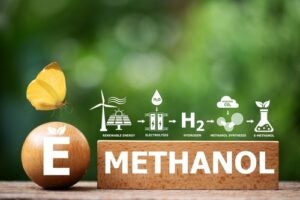
FIGURE 1. Making methanol from carbon dioxide and hydrogen is emerging as an important pathway to a widely used commodity chemical
Historically, methanol has served the chemical industry as a precursor for formaldehyde, acetic acid and methyl tertiary-butyl ether (MTBE). Its use in gasoline blending and biodiesel production also highlights its broad utility. Today, its role is expanding further into fuel markets. More than 400 methanol-fueled vessels are either in operation or on order, reflecting growing interest in methanol within the marine sector. Methanol’s lower toxicity and ease of spill containment compared with some alternative fuels are frequently cited as relevant considerations, particularly in environmentally sensitive marine ecosystems.
In the aviation sector, methanol is increasingly recognized as a potential feedstock using methanol-to-jet (MtJ) processes. These synthetic routes involve a series of catalytic transformations, including dehydration, oligomerization, and hydroprocessing, to produce hydrocarbons in the size range used for jet fuel. While the MtJ route to sustainable aviation fuel (SAF) is undergoing the ASTM International (Conshohocken, Pa.; www.astm.org) approval process, pilot projects and regulatory developments are contributing to increased interest in this pathway.
Innovations in catalysts and process design
Catalyst development remains a critical area of innovation in methanol process design. Traditional copper and zinc oxide catalysts supported on alumina are being adapted to address the operating conditions associated with CO₂-based synthesis, including higher water partial pressures and elevated operating temperatures. One area of focus has been the use of silica promotion to improve catalyst stability under these conditions.
Silica promotion can mitigate sintering under high-temperature, high-moisture environments by stabilizing the zinc oxide component, which is associated with structural degradation during CO₂-rich operation. Laboratory studies have shown reduced crystallite growth for silica-promoted zinc oxide compared with unpromoted materials. These effects are associated with improved dispersion of active components and more stable performance over extended operating periods.
Process design developments have accompanied advances in catalyst formulation. Renewable methanol production based on CO₂ hydrogenation places increased emphasis on efficient hydrogen utilization, given the energy intensity of hydrogen production. High-circulation methanol synthesis loops, often integrated with tube-cooled converters, have been developed to increase conversion efficiency while managing heat removal and pressure drop within the synthesis loop.
In such configurations, catalyst mechanical strength and hydrothermal resistance are important considerations for maintaining stable operation under variable conditions, particularly where operating loads may fluctuate in response to intermittent renewable energy supply.
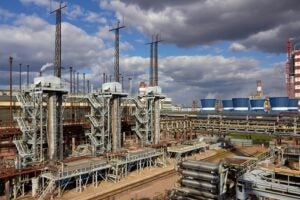
FIGURE 2. Renewable methanol production based on CO₂ hydrogenation places increased emphasis on efficient hydrogen utilization. In these configurations, catalyst mechanical strength and hydrothermal resistance are important considerations for maintaining stable operation under variable conditions
Commercial deployment and operating context
Low-carbon methanol production based on renewable hydrogen and captured CO₂ is increasingly moving beyond pilot scale. Integrated projects combining renewable electricity generation, electrolytic hydrogen production and CO₂ hydrogenation are now being developed in multiple regions.
The Haru Oni project (www.hifglobal.com) in Chile is one example of this approach, integrating wind-generated electricity with electrolytic hydrogen and biogenic CO₂ to produce e-methanol and synthetic fuels. At present, CO₂ is supplied in liquid form, with future plans to integrate direct air capture as a feedstock source. Projects such as this provide operating experience in managing variable feedstocks and operating conditions within integrated renewable energy and chemical production systems.
The HIF Paysandú plant in Uruguay is expected to produce e-methanol using renewable hydrogen and biogenic CO₂. Its modular design and advanced thermal integration illustrate approaches being considered for scalable and repeatable low-carbon methanol production. Facilities of this type provide context for how e-methanol projects are progressing beyond pilot and demonstration stages.
Other planned facilities in Europe and South America are also targeting large-scale e-methanol production using similar combinations of renewable hydrogen, captured CO₂, and advanced catalyst and process configurations.
Examples of current industrial practice
A number of commercially available methanol synthesis catalysts incorporate silica-promoted copper and zinc oxide formulations designed for operation under CO₂-rich conditions. Examples illustrate how such formulations are being applied within industrial methanol synthesis loops to address the stability and durability requirements associated with renewable feedstocks. These examples reflect broader trends in catalyst development, rather than representing a distinct class of proprietary solutions.
Policy and market context
The deployment of low-carbon methanol is occurring alongside the development of policy frameworks and lifecycle-assessment methodologies. Regulatory initiatives such as FuelEU Maritime and ReFuelEU Aviation, as well as lifecycle standards including GREET (greenhouse gases, regulated emissions and energy use in technologies), Together for Sustainability (www.tfs-initiative.com) and ISO 14040, 14044 and 14067 (www.iso.org), are influencing how emissions reductions are assessed and incentivized across the value chain.
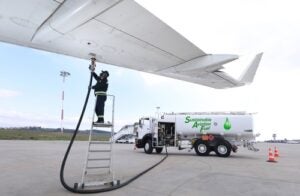
FIGURE 3. Methanol’s liquid form and compatibility with existing infrastructure make it an attractive choice for alternative pathways
In parallel, shipping operators and industrial end users are increasingly incorporating carbon intensity considerations into procurement processes. Methanol’s liquid form and compatibility with existing fuel infrastructure continue to be relevant factors in its evaluation as a low-carbon energy carrier.
Outlook
Methanol is evolving from a traditional chemical intermediate into a platform molecule for low-carbon fuels and energy applications. Advances in catalyst formulation, including silica-promoted copper and zinc oxide systems, together with corresponding developments in process design, are enabling CO₂-based methanol synthesis to be implemented under industrial operating conditions.
As commercial projects progress, operating experience will continue to inform how catalysts and processes are adapted to the challenges associated with renewable feedstocks and variable energy inputs. These developments indicate that low-carbon methanol production is transitioning from conceptual studies towards broader industrial deployment.
Author
 Zinovia Skoufa is the Managing Director for Licensing at Johnson Matthey plc (www.matthey.com). Skoufa is a chemical engineer with a Ph.D. in heterogeneous catalysis. After a short stay in academia as a post-doctoral researcher, she joined Johnson Matthey in 2015, initially working in Corporate R&D on several step-out catalysis programs. In 2019, Skoufa joined the business development team in catalyst technologies, leading early-stage programmes on Waste and biomass use and Power to X. Since February 2024, Skoufa is the Managing Director of JM’s Methanol Licensing Business, covering methanol licensing globally across traditional and new emerging methanol markets. She has been Managing Director of the entire licensing portfolio since 2026.