Film-forming amines (FFAs) are a class of chemical additives used in water-steam cycles to mitigate corrosion and improve operational efficiency. These substances work by adsorbing onto metal surfaces — particularly iron and iron oxide — and forming a hydrophobic barrier that limits water-metal interaction. This barrier, often just nanometers thick, helps prevent the ingress of corrosive agents such as chlorides and sulfates.
FFAs are organic compounds with an amine functional group (for instance, ammonia), and frequently contain either octadecylamine (ODA), oleylamine (OLA) and oleyl propylenediamine (OLDA). These compounds are either used alone or blended with neutralizing amines to create film-forming amine products (FFAPs). Non-amine alternatives, known as film-forming products (FFPs), are also available and include proprietary compounds. Examples of commercial FFPs include Anodamine and Nalco Powerfilm. The general classification for both FFAs and FFPs is called film-forming substances (FFS).
Mechanism of action
The protective film formed by film-forming substances is typically only effective on wetted surfaces. There are varying mechanisms, and not all are fully understood, but theories suggest that the film reduces water access by forming hydrophobic surfaces, or that the FFS leaches out or inhibits interaction with acidic contaminants like chlorides and sulfates inside of tube deposits. Efficiency gains are observed in steam turbines and heat exchangers due to reduced droplet size and improved heat transfer.
Testing and monitoring
Proper implementation of film-forming substances requires careful monitoring. Initial feed rates are calculated based on heat-exchanger surface area, with optimal residual concentrations around 100–200 parts per billion (ppb) for FFAs. Iron sampling and deposit-weight density (DWD) testing are essential to establish baselines and track performance. Instruments like the Waltron 3054 analyzer and the Bengal Rose test are used for FFA detection, while iron levels are monitored using specialized testing methods, such as with nephelometers (instruments that measure light0scattering of suspended particle in a fluid) or the Ferrozine calorimetric-assay method.
Benefits
FFS technologies offer several advantages, including reduced corrosion-product transport, improved shutdown protection, cleaner steam turbines and increased power output. Enhanced heat transfer in condensers and evaporators leads to better system efficiency. Some applications have shown the arrest of flow-accelerated corrosion (FAC) and improved offline protection. However, their effectiveness is limited to wetted surfaces, and their exact mechanism of corrosion prevention is still only theoretical.
Inspection findings
Field results from FFS users provide valuable information about the applicability and performance of these materials to mitigate corrosion in steam systems. The following sections detail some real-world findings from operational sites.
Powdery grey deposits. Multiple sites using FFS products, such as Anodamine, Nalco Powerfilm and Suez Steamate, reported the formation of powdery grey residues in drums and headers operating above 400 psig. These deposits, likely magnetite transported through into the drums, were observed in low-pressure (LP), intermediate-pressure (IP) and high-pressure (HP) drums, with increasing intensity at higher pressures (see Figures 1–3). These magnetite deposits were not found in tube surfaces, which is promising, because heavy deposits on these surfaces can have adverse effects, such as under-deposit corrosion.
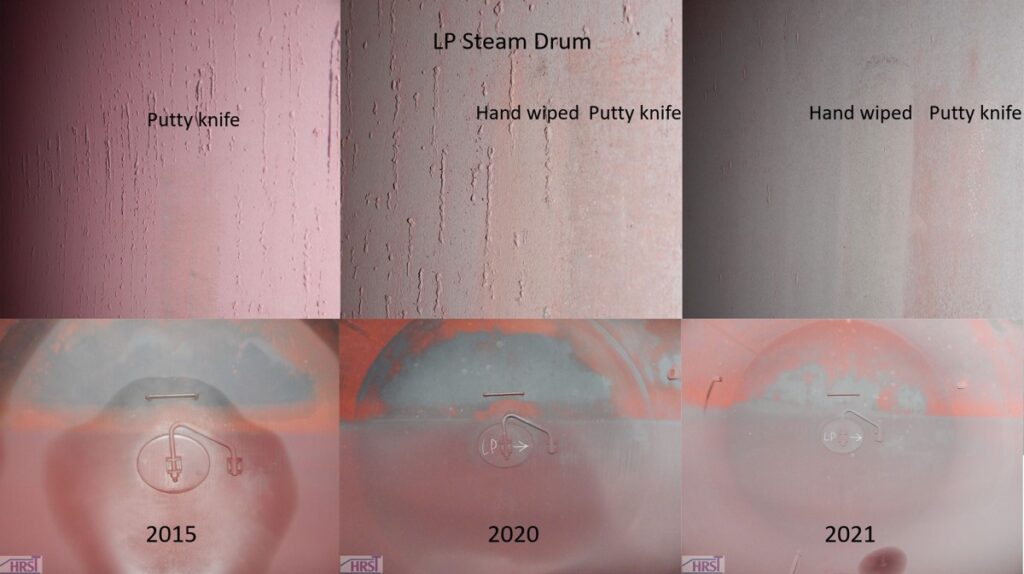
FIGURE 1. Light grey coating is observed in the low-pressure drum (operating at 77 psig)
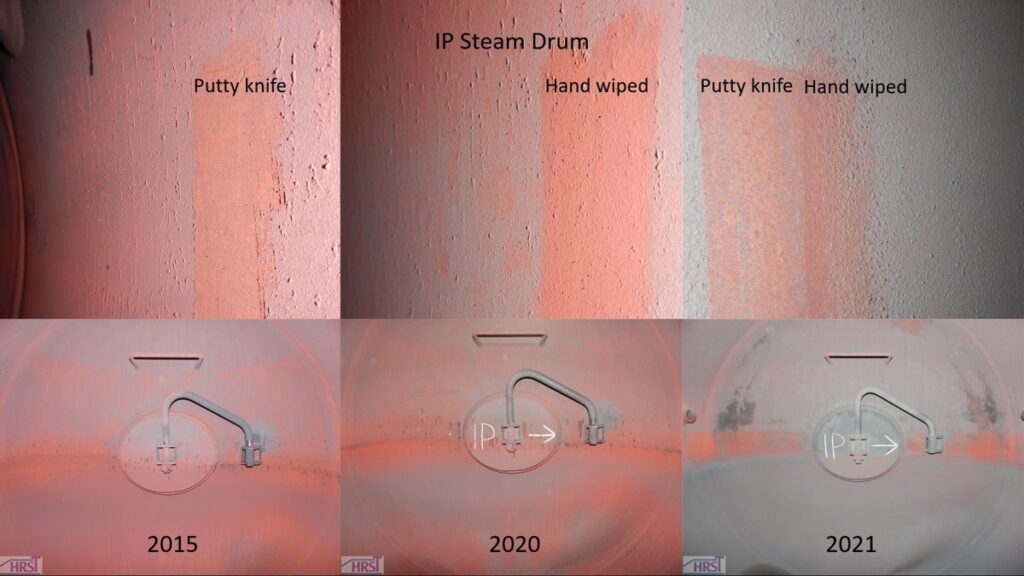
FIGURE 2. Medium grey coating is also observed in the intermediate-pressure IP drum (operating at 463psig)
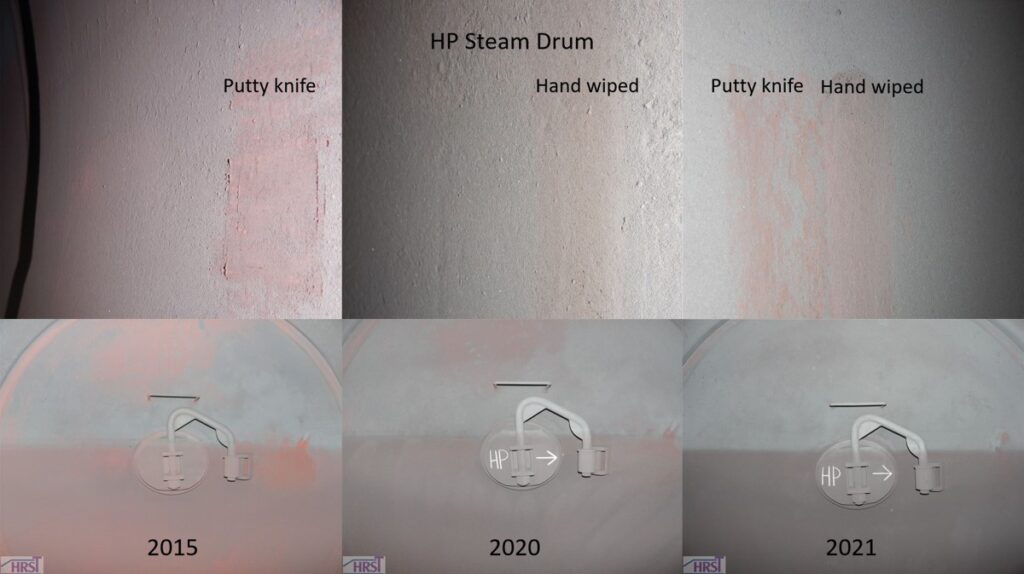
FIGURE 3. In the high-pressure drum (1,967 psig), the heaviest volume of grey coating was found
Overfeeding Issues
Some sites have no dedicated FFS feed-control systems, because the FFS was blended with neutralizing amines and controlled according to pH. These sites have historically experienced overfeeding, leading to the following issues:
- Formation of ‘gunk balls’ in drums
- Fouling of condensate polishers and spray nozzles
- Increased cation conductivity
- Brown and oily residues in LP drums and headers
In one example, overfeeding of Suez Steamate 08 resulted in clogged mesh pads in high-pressure drums and visible staining on final separators (Figures 4 and 5).
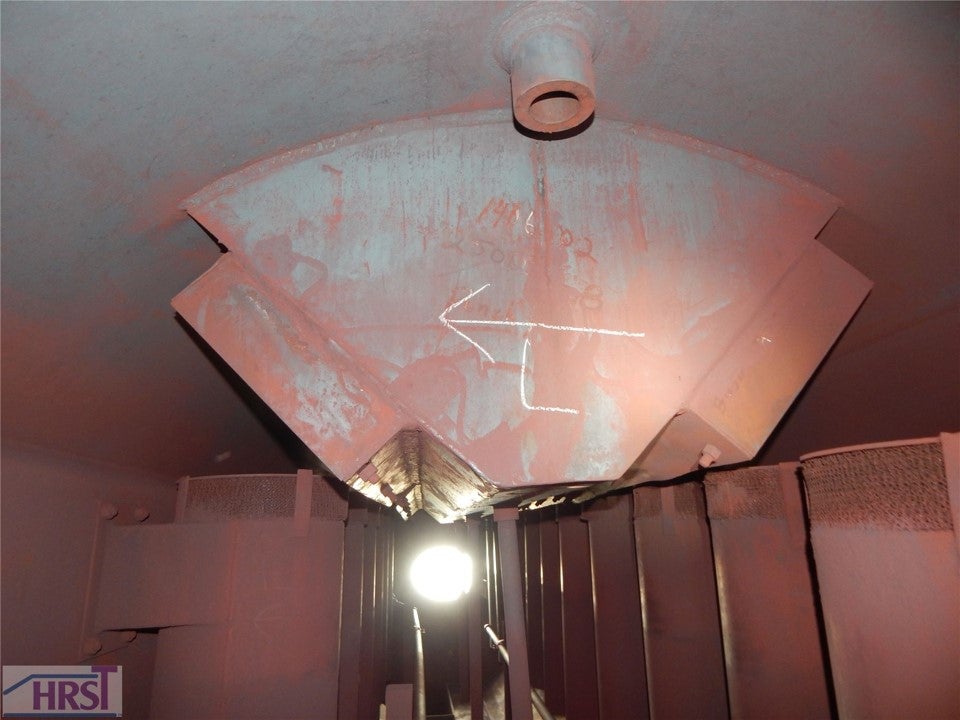
FIGURE 4. Overfeeding of FFS can lead to equipment problems, such as staining and clogging
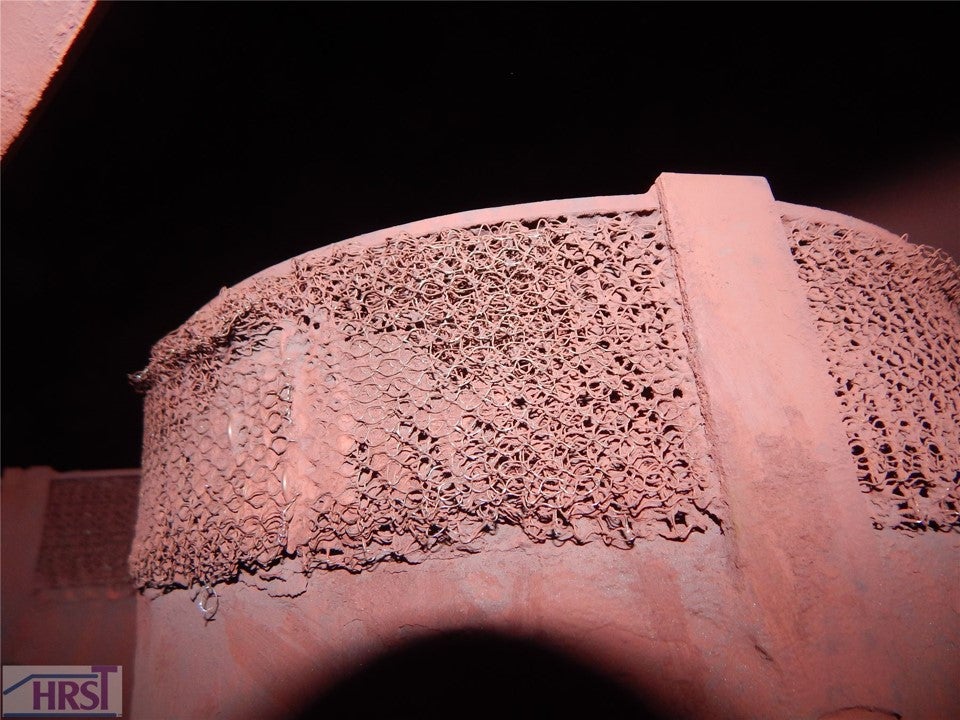
FIGURE 5. The mesh pads the high-pressure drums became clogged with excessive debris following the use of film-forming substances
Tar ball formation. A cogeneration plant using Suez FFS experienced tar ball formation in the LP mud drum (Figures 6 and 7) and green film coating in the HP drum (Figures 8 and 9). These issues were attributed to overfeeding and possibly oily return water from the process side. This also led to clogging of the condensate pump strainers.
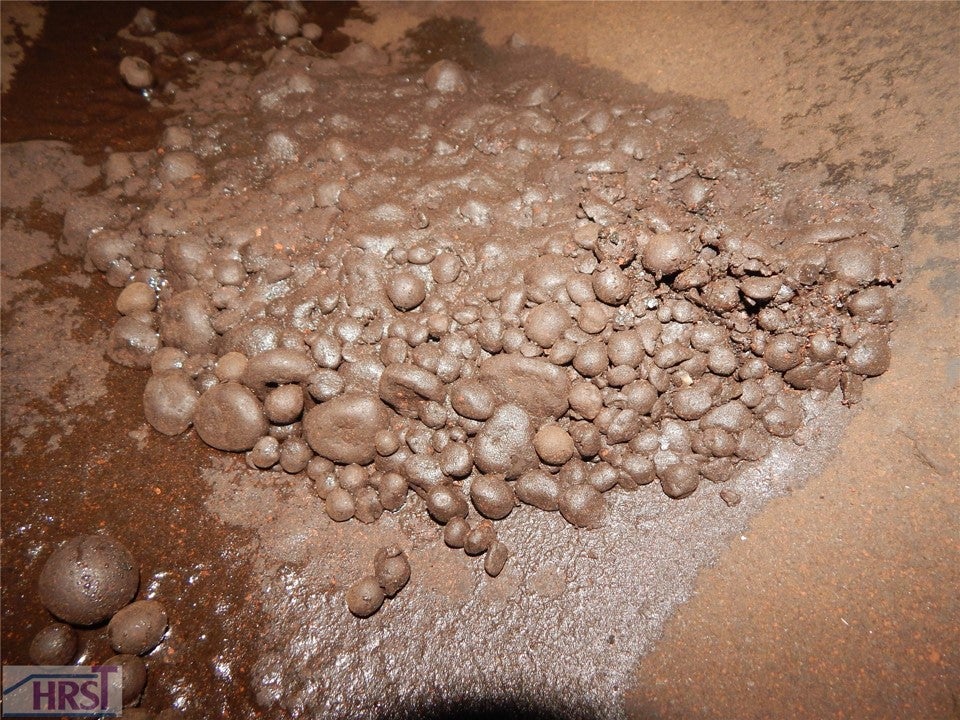
FIGURE 6. Tar balls were found in the LP mud drum when using FFS
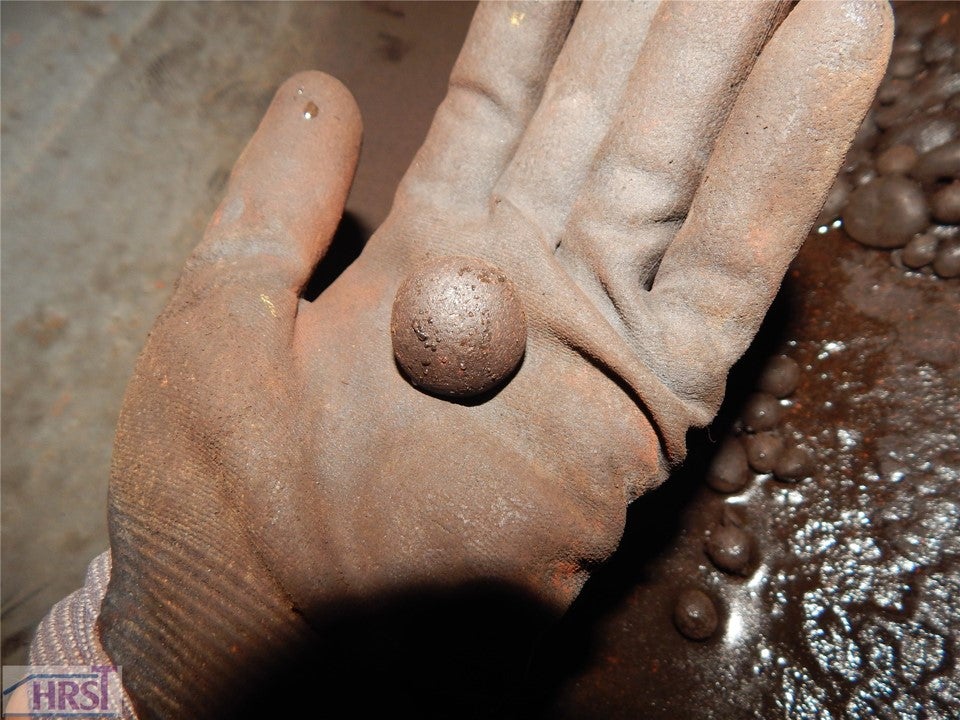
FIGURE 7. Tar balls were formed in the plant, most likely due to overfeeding of FFS
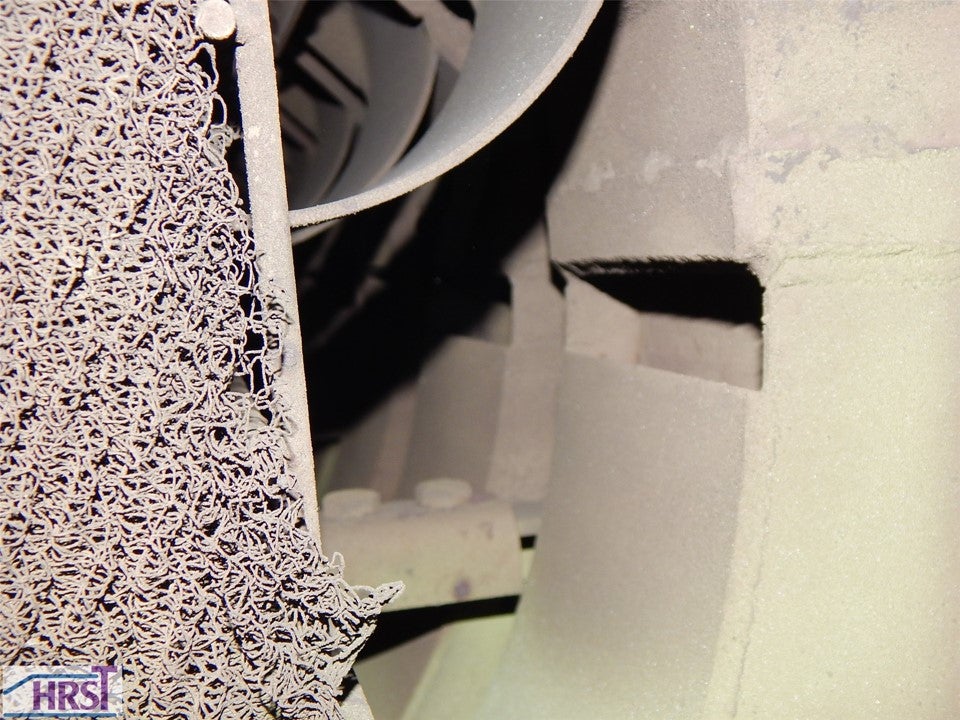
FIGURE 8. Green film was seen in the HP drum
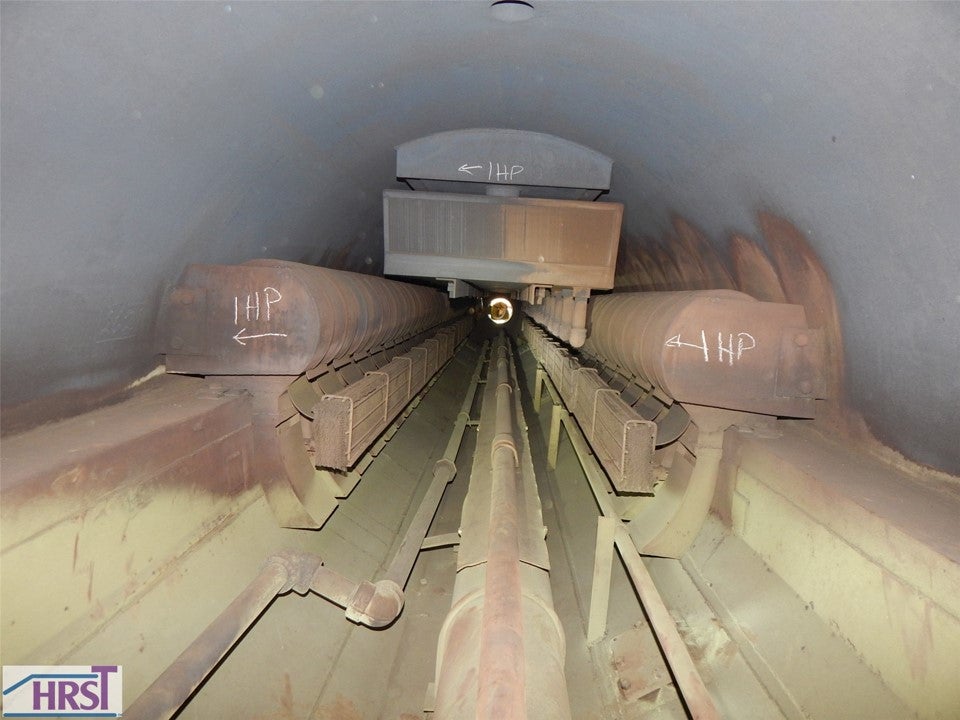
FIGURE 9. The bellypan exit also shows signs of green film formation
Condensate and feedwater pump clogging
A cogeneration plant experienced repeated issues with clogged condensate and feedwater pump strainers due to the overfeeding of FFA. The FFA dosage was being regulated based on pH levels, which inadvertently led to excessive feed rates. This caused the amine to coalesce on the strainer mesh, forming small gunk-like deposits that increased backpressure and triggered pump trips. Upon investigation, it was determined that the concentration of FFA in the product blend needed to be significantly reduced. Once this adjustment was made, the strainer clogging issue was resolved, restoring normal pump operation.
Monitoring is essential
Film-forming amines offer a compelling solution for corrosion control and efficiency enhancement in combined cycle and cogeneration operations. However, real-world inspectionresults underscore the importance of proper dosing, monitoring and system design to avoid adverse effects. As research continues and field experience grows, best practices for FFS application will become more refined, helping operators balance performance gains with operational reliability. ♦
Edited by Mary Page Bailey
Acknowledgement
All images provided by HRST
Author
 Trinh Tran is currently an analyst engineer at HRST. She has experience with project execution in the energy industry using a number of engineering analyses, including flow-accelerated corrosion risk assessment, heat-transfer analysis, root-cause failure analysis, and cycling assessment. Originally from Vietnam, she moved to Minnesota in 2016 and earned a chemical engineering degree from the University of Minnesota-Duluth.