Nondestructive testing (NDT) can play a key role in ensuring safety at petrochemical and related plants. Provided here is an overview of available technologies for NDT, including capabilities and limitations, as well as training standards
Inspection and maintenance of petroleum refining and hydrocarbon processing facilities are among the most rigorous and highly necessary in industry. As one of the most regulated industrial sectors in the U.S., refining, petrochemical and oil-and-gas company owners and operators have taken the initiative to apply established and recognized testing protocols to ensure equipment and infrastructure is solid, sound and safe.
No one would ever want to drive over a buckling road, have explosions near their house, or breathe toxic air. Existing technologies ensure we don’t have to.
Nondestructive testing (NDT) or nondestructive evaluation (NDE) is the assessment of materials and components without causing damage to their serviceability. These tests can evaluate structural integrity and detect minute flaws before they become failures (Figure 1).
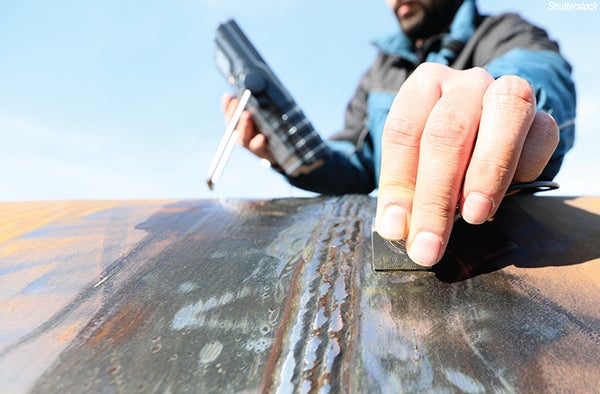
FIGURE 1. Nondestructive testing techniques assess materials and components using measurement technologies that do not affect serviceability
Experts in structural and material safety recognize six broadly applied NDT methods and an additional 10 specialized testing techniques that make thorough inspection of a wide variety of materials and components more reliable and easier to conduct. Inspections once left to the naked eye can now be done with advanced technology using magnetic particles, ultrasonics, radiography, electromagnetics, liquid penetrants and thermography, among others. These technologies have transformed the NDT industry for the better, but they also bring challenges.
Artificial intelligence (AI), automation and machine learning are helping industry more quickly analyze the data collected at processing facilities, resulting in greater visibility of large and complicated physical infrastructure, from pipelines to storage tanks. These cutting-edge tools are being introduced to every testing method each year. As technologies become more complex, the need for standardized advanced training and certification with performance-based qualification testing has become more pronounced.
One industry that has seen great benefit from both the advances in technology and standardized training is the oil and gas sector.
More than the gasoline we pump in our car, nearly everything we touch that is not made of 100% plant fiber material can be traced back to petrochemical facilities. With such a heavy reliance on these products, from clothing to flooring, and the risk of disaster should oil, gas and petrochemical infrastructure fail, having a thorough understanding of technological advances of NDT methods and how to apply them is critical.
To prevent loss of containment from leaks, spills and pressure build-up that could cause environmental damage or even explosions, underground pipelines and storage tanks must be checked frequently for signs of corrosion, cracks and degradation, but they are notoriously difficult to inspect without disruption. That’s where advanced NDT comes to the rescue. From drilling to refining, inspectors in the petrochemical industry use NDT to analyze pipelines, pressure vessels, storage tanks and more. Beyond maintaining compliance with industry standards and regulations, regular inspections conducted at all stages of production support the longevity and stability of petrochemical equipment.
Preventative care can lead to cost savings in equipment maintenance down the road. Incidents at refineries and facilities can have a negative impact on the economy, potentially driving increased costs on gas or other goods.
The industry has invested in standardized training, partially due to its having one of the most regulated manufacturing sectors in the U.S. Petrochemical company owners and operators have taken the initiative to form internal training programming to align with industry requirements and government regulations. In addition, technical societies and organizations offer their own safety and quality-control certifications, so inspectors can adhere to compliance with industry-specific and international standards.
As the oil and gas and related industries increasingly adopt existing advanced technologies, such as digital imaging and AI, into some key methods of NDT recognized by the American Society of Mechanical Engineers (ASME; New York, N.Y.; www.asme.org) and the American Society for Nondestructive Testing (ASNT; Columbus, Ohio; www.asnt.org), they also need to establish standardized training programs to ensure inspectors are properly trained in evolving testing methods.
Ultrasonic testing for flow
Ultrasonics instruments in NDT inspections were once a simple set of circuits that would send and receive mechanical sound vibrations. Now, advanced systems can send sound waves in many directions. This multidirectional method can detect any defects, something as small as cracking in a weld, or in a component, such as stationary pressure vessels, and identify the type, size and location of the flaw.
Ultrasonic testing (UT) inspection employs ultrasonic instruments to initiate electrical impulses. Then, technicians use transducers, or piezoelectric-made devices, which convert the impulses into sound waves and direct them through the pipeline. Finally, the testing method transforms it back into electrical impulses that are translated into a visual display that resembles an X-ray image. Earlier testing methods employed A-scans, which measure data on an X–Y grid to show the time of sound wave travel and return, as well as the energy received. New testing methods employ additional scans, including B-scans and C-scans. B-scans take analysis a step further by illustrating data in a sliced plane to show technicians the approximate dimensions of potential material defects. C-scans, which measure results with a top-down view, stacks layers of data collected over time that correlate with specific locations, resembling the coloring of a temperature or topographic map.
These additional scans give inspectors a more complete snapshot of the pipeline condition and are easier to read and understand. With more efficient analysis, technicians can recognize and identify concerning flaws and defects and address them faster. For example, specialized UT techniques like phased array ultrasonic testing (PAUT) and full matrices capture (FMC) are constantly enabling technology with improved hardware and computer processing ability to produce better imagery and more efficient evaluation.
Guided-wave testing
Guided-wave testing is an advanced ultrasonic inspection technique designed to detect defects or interruptions in the equipment’s (such as a pipeline) physical structure. It can also be used on rails and structural beams. Guided-wave testing uses soundwaves at lower frequencies than traditional UT. These soundwaves propagate along the length of the component, allowing inspectors to test a large area and identify the approximate location of defect. This advanced method can be used where traditional ultrasonics may not be suitable, such as evaluating components that are challenging to access for testing, like short-range transmission pipelines buried underneath roads and communities.
Radiographic testing
Radiographic testing (RT) uses X-rays or gamma rays to inspect the internal structure of an object, such as piping that carries petroleum products from location to location. As the radiation passes through the object, a film records the absorption rate, which indicates the density. If, for example, the wall of a pipe is beginning to corrode, the radiograph will detect a change in volume (Figure 2).
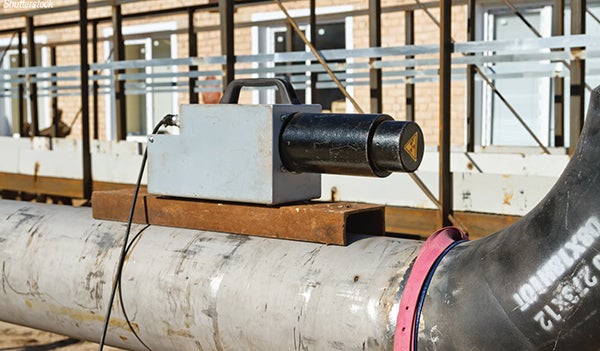
FIGURE 2. X-rays and gamma rays can inspect the internal structure, detecting the beginnings of corrosion in piping
The technology used for radiographic testing is evolving rapidly. While it is still common to see crews of radiographers with mobile darkrooms strapped to their truck beds, more inspectors are swapping wet film for digital technology. ASNT recognizes computed radiography (CR) as distinct from digital radiography because the process of getting a digital image differs.
Computed radiography uses imaging plates, which contain a layer of phosphor that reacts with the high energy state of the X-ray and gamma radiation to capture the image. Inspectors then scan the imaging plates with a laser to extract the stored energy and create the digital image that can be viewed on a computer.
Digital radiography uses a digital detector array (DDA) instead of an imaging plate. DDA is an advanced circuit board of electronic detectors that functions much like the sensor in a single-lens reflex (SLR) camera. The major difference is that instead of detecting visible light, a DDA captures X-ray and gamma wavelengths. While CR requires laser scanning to produce a final rendering, DDAs instantly transmit high-resolution images to an inspector’s computer in real-time either wirelessly or through a tethered connection. This enables inspectors to analyze data more quickly and efficiently in the field.
Magnetic particle testing
The surface techniques are also no stranger to advancements in their industrial application. Magnetic particle testing (MT) is a sensitive NDT method that applies the principles of magnetism to identify surface and near-surface defects in ferromagnetic material, which are components that are highly susceptible to magnetization, including iron, nickel and cobalt (Figure 3). MT is used in the oil and gas and petrochemical industries to inspect magnetic components like pipelines and pressure vessels for potential leaks, as well as to test drilling tools and rigs for possible cracks. Inspectors will use a magnetic tool like a yoke, coil or prod to introduce a magnetic field and attract fine ferromagnetic particles, such as dry powder, to fill in any crack or void on the surface. Defects will disrupt the magnetic field and create a visible leakage field, providing technicians with instant detection.
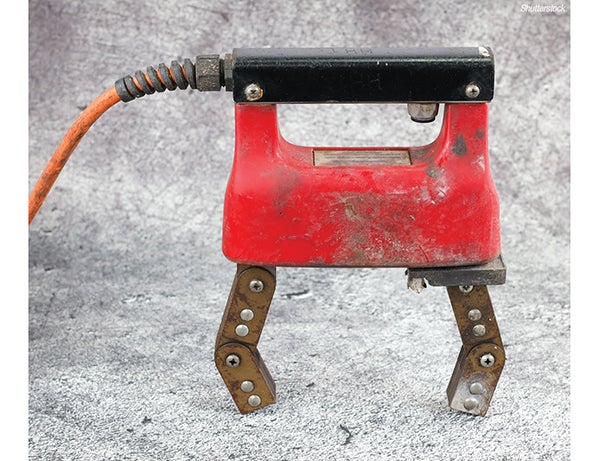
FIGURE 3. Magnetic particle testing can identify surface and near-surface defects in ferromagnetic materials, like iron, cobalt and nickel
The magnetic field can be employed in MT by either using alternating current (AC) or direct current (DC) electricity. AC is used for surface inspections, such as welds, and initiates a strong surface field, but does not penetrate deeply. DC is able to penetrate deeper to detect subsurface defects. This method is often used to identify flaws in time-sensitive projects due to its relatively simple process and accessibility with portable equipment. However, it can be a particularly messy process because surfaces must be clean and demagnetized ahead of inspection, and its detection capability can be negatively affected by high humidity.
Another testing method commonly used in the oil and gas industry to detect surface cracks and leaks in new storage tanks and other nonmagnetic equipment is liquid penetrant testing (PT). Like MT, PT is also used to identify any surface-breaking defects. However, unlike MT, this method involves the application and drawing-out of a particular liquid to reveal cracks and leaks in solid and nonporous materials, regardless of their magnetic properties. The inspection process requires technicians to spray a penetrant liquid on the test component and wait for it to seep into any flaws on the surface before using a developer to draw out and remove the penetrant, leaving behind a visible indication of the defect. Although PT is also versatile, portable and cost-effective, it is also limited to detecting only surface-based flaws and must be preceded by meticulous surface cleaning before and after the inspection to avoid contaminating inspection results.
Over time, even relatively simple nondestructive testing methods like magnetic particle and liquid penetrant testing have seen significant advancements. Innovations such as light-emitting diodes (LED) technology are steadily improving the ultraviolet lights used for fluorescent magnetic particles and dye penetrations. The speed at which inspections are conducted is improving as processes are automated. Additionally, the increased use of multidirectional magnetic particle benches has nearly halved inspection times and increased productivity without compromising accuracy.
Electromagnetic testing
Electromagnetic inspection is a method once avoided by inspectors due to its limitations, such as sensitivity to surface conditions, complex interpretation and sensitivity to noise in the testing environment. However, electromagnetic testing is now growing in popularity with the integration of new technology and tools. This method employs electric currents or magnetic fields in a material to analyze the component’s internal structure based on its electromagnetic response. Electromagnetic testing (ET) is used across the industry for inspecting the interior of oil-and-gas infrastructure, including the tubes of heat exchangers and boilers.
Eddy-current array (ECA), which uses electromagnetic induction to detect flaws and measure material properties of metals, can create a three-dimensional representation of the finest cracks in a material (Figure 4). ET has the potential to replace magnetic particle testing because it is cleaner, higher speed, larger-scale and able to record the inspection results observed by the inspector.
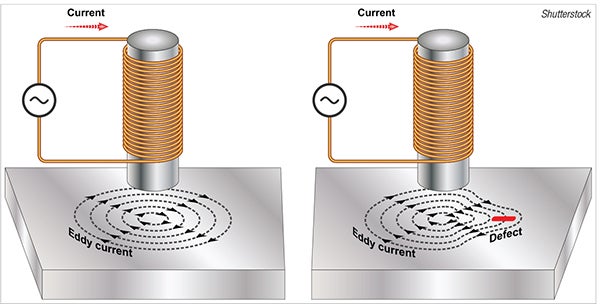
FIGURE 4. Eddy-current detection instruments use electromagnetic induction to detect flaws and measure material properties
One of the notable advancements leading to the rising popularity of ET is the integration of automation and AI. Innovations in advanced bobbin coils and array technologies, mainly applied during inspections of heat exchangers, has improved the quality and speed of inspection analysis, allowing personnel to process data from thousands of tubes in a fraction of the time previously required.
Neutron radiography
Neutron radiography is an advanced inspection method that uses neutrons instead of X-rays or gamma rays to inspect the internal structures of various components. Neutrons penetrate materials differently. They can pass through heavy metals, such as lead and steel, making them useful for inspecting components enclosed in casings.
Neutron radiography also can image elements with low atomic numbers, such as hydrogen. This capability gives inspectors the ability to detect moisture in addition to corrosion, adhesives and plastic components inside heavy metal enclosures like pipelines and storage tanks. With recent technological advancements in the industry, this specialized method has become more accessible and is expected to expand in use across multiple industries.
Certification and qualification
These advanced testing methods are just some examples that highlight the consistent evolution of NDT in the oil and gas and petrochemicals industries. All of these technologies make inspections better, but the higher level of technology means that inspectors need more specialized training. Standardized certification and performance-based qualification testing can enhance the proficiency of technicians to perform technologically advanced inspections in compliance with industry rules and regulations.
As inspection methods evolve and become more advanced, the training for NDT personnel must also be updated. It is well understood that maintaining reliability and ensuring the safety of petrochemical infrastructure and equipment is a great responsibility. Poorly performed NDT can be directly connected to petrochemical plant failures. For example, improper NDT application played a role in the 2009 Silver Eagle Refinery flash fire and explosion.
Owners and operators of petrochemical plants know how great the risks are if their personnel are not qualified to conduct and evaluate the appropriate and necessary NDT methods. Both certification and qualification in relevant NDT methods and techniques are essential for technicians to perform testing correctly (Figure 5). While the oil and gas sector has government regulations helping to shape the training guidelines and requirements for inspectors, often owners and operators have their own expectations and the ability to set their own standards. All NDT technicians must undergo training courses and certification exams, with some also having to go through specific performance-based qualification assessments administered by the oil and gas companies who hire them. Some seek additional certifications and training courses from technical societies, like ASNT, who provide their own.
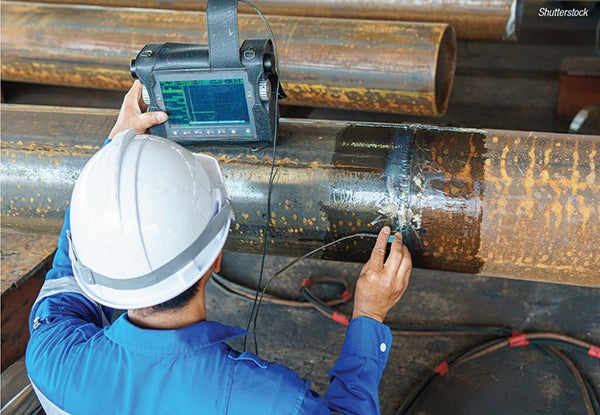
FIGURE 5. Certification and qualification of nondestructive testing technicians in the relevant techniques and methods are essential to ensuring that the tests are conducted correctly
In addition to written examination for certifications in NDT, performance-based qualification testing is vital for technicians to round out their inspection education and skills. Although this demonstration is not compulsory for corporations through regulatory standards, NDT personnel should be required to demonstrate their understanding of how to perform inspection tasks accurately for the petrochemical industry. This would include the hands-on practical application of specific NDT examination skills to demonstrate understanding and competency. ASNT Recommended Practice No. SNT-TC-1A defines qualification as the following: “demonstrated skill, demonstrated knowledge, documented training, and documented experience required for personnel to properly perform the duties of a specific job” (section 2.1.19). Requiring inspection personnel to conduct demonstrations of their expertise is important for understanding their capacity to follow standard NDT testing procedure, approach testing in various circumstances, and to deliver accurate results.
Unfortunately, there is a gap between the knowledge that technicians gain from NDT certifications and the skills they develop from industry-specific hands-on training. This issue persists across industrial sectors, and most employers understand the need to address this disparity. To bridge the knowledge gap, some offer their own programs that conduct performance-based qualification testing. This can pose a challenge for NDT personnel who work for multiple companies throughout their careers. Because inconsistencies among programs exist, many inspectors who undergo hands-on training with one employer must be re-trained with another, which is an unsustainable use of resources.
This redundancy emphasizes the need for a standardized competency qualification program with hands-on training for NDT technicians.
Performance-based programs
Standardization for NDT inspection certification, specifically in the petrochemical industry, would improve process safety, increase organizational capability and protect capital stewardship for companies. It’s vital for owners and operators across the industry to come together and establish the standard for NDT technicians seeking certification and qualification. One way industry experts are setting the standard is with the ASNT Oil & Gas Industry Sector Qualification (ISQ) program. The ISQ program was developed in direct response to the oil and gas industry’s need to create consistency for NDT competency with industry-specific knowledge and skill across numerous methods and techniques.
Developed in collaboration with owners and operators across the U.S., it eliminates the need for them to create their own performance-based demonstration programs to save costs and lower safety risk. The ISQ program is a unique set of qualification exams that is setting the gold standard for the oil and gas industry, focusing on common UT techniques for Level II technicians and being in compliance with employer-based certification program requirements.
This competency testing is just one example of new programs meeting a growing pressure to standardize NDT performance-based qualification testing in the industry. New programs like ISQ exams seek to publicly provide technicians with resources to improve the quality of oil and gas application-specific NDT training.
Evolution of the industry
For over a century, NDT has played a crucial role in protecting the reliability of petrochemical infrastructure and equipment. While traditional inspection methods will always play an important role in NDT, advanced techniques are transforming the industry. With the embrace of advanced technologies and evolved testing methods, as well as improved standardized performance-based NDT qualification training, inspections can become more efficient and accurate. It is an essential routine practice that ensures a safer world by protecting human safety and preventing deterioration of resources. The world around us will continue to move quickly, and technological innovation will advance with it. Industry knowledge on how to implement and test these technologies must keep pace. The application of updated NDT methods ensures oil and gas infrastructure remains safe, reliable and built to withstand the demands of tomorrow.
Edited by Scott Jenkins
Author
 Mike Sens is a nondestructive examination specialist and ASNT Oil & Gas ISQ steering committee chair (Email: msens@chevron.com). He has 26 years of experience in the application, education and development of numerous NDT methodologies in several sectors of the oil and gas industry: downstream, midstream, upstream, in-service inspection and new construction. Sens holds multiple ASNT NDT Level III certifications. Has spent the last 13 years as an NDE subject matter expert with global responsibilities to all industry sectors and business units for an international oil and gas asset owner and operator. He has been a participating member in the API refining and equipment standards sub-committee for inspection and mechanical integrity for 15 years, member of the ASNT certification management committee for 10 years, and is the committee chair for the ASNT Oil & Gas Industry Sector Qualification program.