Solve Slurry Deposition Challenges in Polymer Cooling Systems
Case Study: How LyondellBasell Improved Reliability, Reduced Downtime, and Saved $435K
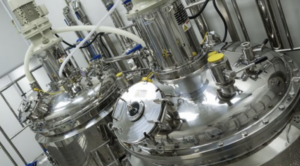
In polymer production, temperature stability is critical to product quality—but cooling systems handling slurry can experience hidden performance issues that disrupt operations. In this real-world case study, LyondellBasell engineers identified the root cause of recurring reliability failures and implemented targeted system improvements that dramatically increased performance and reduced costs.
Download this case study to see how advanced hydraulic modeling revealed unseen system limitations and enabled data-driven engineering decisions.
What You’ll Learn
-
How slurry deposition can compromise cooling loop performance and reliability
-
Why initial design assumptions failed to account for solids effects
-
How modeling identified deposition zones that were later confirmed during maintenance
-
Engineering modifications that increased circulation rate by 15%
-
How system changes eliminated the need for a pump upgrade—saving $435K in capital costs and about $247K annually in operational savings
Who This Case Study Is For
-
Process & Simulation Engineers seeking proven approaches for complex separations
-
R&D and Operations Teams working on efficiency and yield improvements
-
Technical Leaders and Engineering Managers evaluating tools or methods for process development
-
Consultants and Contractors supporting optimization, troubleshooting, or validation projects
-
Anyone responsible for distillation performance, reliability, or modeling accuracy
Whether you’re planning a revamp, tackling persistent deviations between model and plant, or validating a new simulation workflow, this case study gives you a real-world frame of reference.
Get the Case Study
See how one engineering team transformed a reliability challenge into measurable operational and financial gains. Complete the form to access the full technical analysis and implementation details.