Every year, manufacturers across the chemical, plastics, coatings, food processing and metal finishing industries face the same deadline pressure. A permit renewal is coming due, a new rule is taking effect, or an inspector has flagged an existing system as inadequate. Under that kind of pressure, air-pollution control equipment often gets purchased the way a company buys a fire extinguisher: quickly, defensively and without enough thought to how the system will perform three, five or ten years down the road.
Despite the ubiquity and necessity of air pollution control in the process industries, the same five mistakes surface again and again, across industries, geographies and company sizes. Avoiding them is often the difference between a system that quietly does its job for a decade and one that becomes a recurring capital expense.
Mistake 1: Buying on price instead of total cost of ownership
The lowest quote on a scrubber, oxidizer or dust collector rarely reflects what that system will actually cost to operate. Fuel and electricity consumption, filter or media replacement, spare parts inventory, and unplanned downtime all belong in the purchasing decision, not just the number printed on the purchase order. Industry guidance for buyers of emission control equipment increasingly urges companies to weigh total cost of ownership, energy efficiency, and downtime risk alongside upfront price before choosing between competing systems, and for good reason. The EPA’s own Air Pollution Control Cost Manual runs to hundreds of pages precisely because estimating the true operating cost of a control device is complicated enough that getting it wrong is easy, and getting it wrong is expensive. A system that costs 15% less to install but burns twice the natural gas, or needs its filter media replaced twice as often, is rarely the cheaper option once the first full year of operating data comes in.
Mistake 2: Underestimating or mischaracterizing the emission stream
A control system is only as good as the data used to size it. Flowrate, temperature, humidity and pollutant concentration all need to be measured under real, representative operating conditions, not estimated from a single grab sample or borrowed from a similar sounding process at a different plant. Engineers who specify this kind of equipment routinely run into flow data that are not representative of potential production extremes. A system engineered around incomplete or unrepresentative data will either underperform against the permit limit it was meant to satisfy, or it will waste energy compensating for capacity the process never actually needed in the first place. It its typical to evaluate at least several days’ worth of continuous flow and concentration data before committing to a design, precisely because a snapshot taken on the wrong shift, in the wrong season, or during the wrong production run can misrepresent a process by a wide margin.
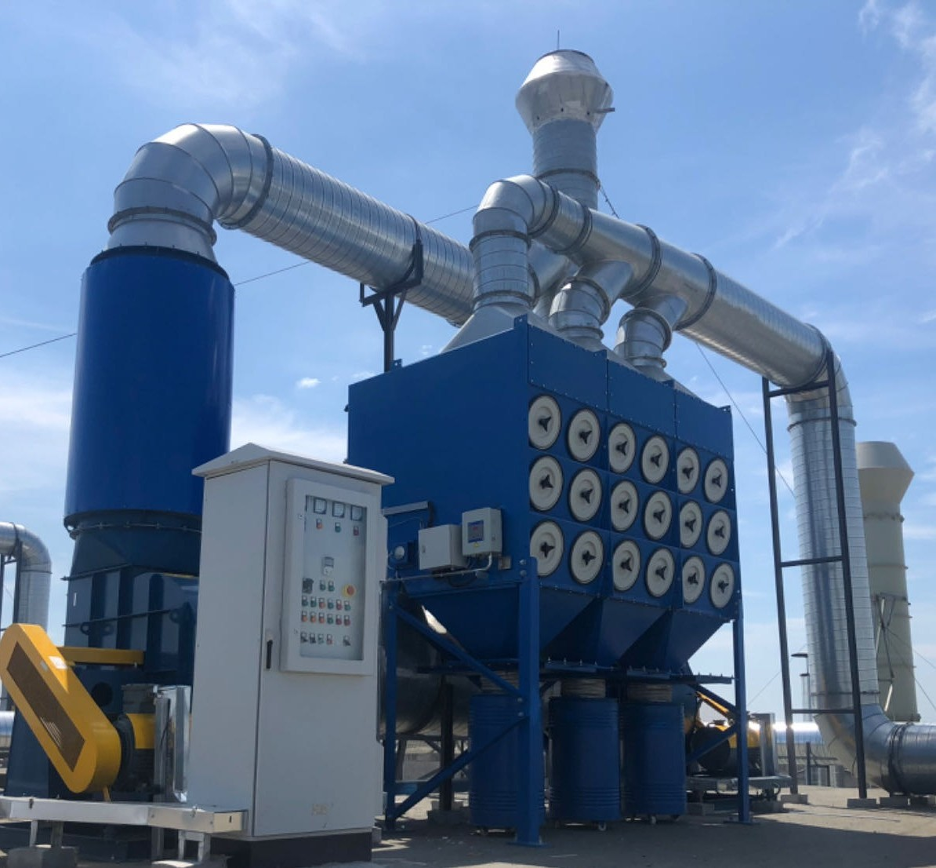
FIGURE 1. Modern dust collectors aren’t an afterthought anymore. They’re engineered into how facilities run from day one.
Mistake 3: Treating the control system as an afterthought
Air-pollution control equipment performs best when it is engineered into a process from the beginning, not bolted onto a process design that has already been finalized. Reviews of underperforming emission control installations consistently trace the problem back to the same root cause: pollution control gets introduced only after core process engineering is locked in, which limits how well the two systems can work together once they are both up and running. Retrofitting ductwork, transitions and maintenance access onto a process that was never designed to accommodate them tends to produce compromises, and those compromises show up later as higher pressure drop, more frequent maintenance callouts and higher energy bills than a properly integrated system would have required. The fix is simple to describe and harder to execute in practice: bring the emission control engineer into the room while the process is still on paper, not after the equipment layout and utility connections have already been drawn.
Mistake 4: Ignoring where regulations and production volumes Are headed
Equipment that just barely clears today’s permit limit is equipment that will likely need to be replaced or retrofitted the next time those limits tighten, or the next time the production line adds capacity. Best Available Control Technology determinations are made case by case, and the EPA maintains a national clearinghouse of these determinations in large part because the technology considered “best” keeps advancing, which means today’s baseline tends to become tomorrow’s floor. Facilities that select equipment sized to just squeak by on a current permit, with no margin for growth and no allowance for the next round of rulemaking, tend to find themselves back in the capital budget within a few years of startup, effectively paying twice for a problem they could have solved once.
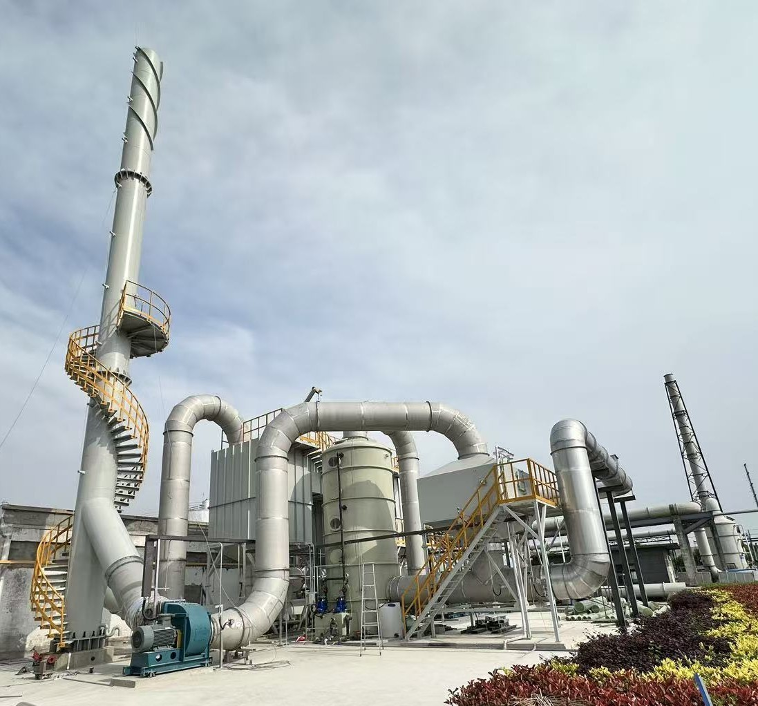
FIGURE 2. Pairing thermal oxidation with wet scrubbing lets facilities tackle both VOCs and acid gases in a single integrated system, rather than treating each emission stream separately
Mistake 5: Undersizing equipment to win on price
It is entirely possible to meet a facility’s stack emission limit on paper and still have a chronic operating problem underneath it. Some vendors undersize a scrubber, oxidizer or dust collector specifically so they can offer the lowest bid on a project, a shortcut that customers often end up paying for many times over once the unit is running flat out just to keep pace with normal swings in production. Undersized systems run hotter, wear out faster and leave no headroom for the day production increases even modestly. The handful of dollars saved at the bidding stage rarely survives contact with the first full year of maintenance invoices and part replacements that follow. A more reliable approach is to ask any prospective vendor for sizing calculations, not just a price, and to have those calculations checked against the process data described in Mistake 2 above.
Getting it right from the start
None of these five mistakes are exotic or unusual. They are the ordinary result of capable people making equipment decisions under deadline pressure, without a clear-eyed look at total operating cost, real process data or where the regulatory floor is likely to move next. The manufacturers who get this right tend to treat the air pollution control system the same way they treat any other piece of core production equipment. They characterize the problem carefully before specifying a solution. They engineer the control device as part of the process rather than around it. And they build in enough margin to absorb the next five years of production growth and the next round of tightening emission limits, rather than the bare minimum needed to pass this year’s inspection. That approach costs a little more attention up front. It costs a great deal less over the working life of the equipment, which is ultimately the only measure of cost that matters. In a field where the same equipment decision has to hold up for a decade or more of production, that is not a small distinction. It is the whole difference between a control system a plant manager forgets about because it works, and one that keeps showing up on the maintenance budget and the capital plan year after year. ♦ Edited by Mary Page Bailey
Acknowledgment
Images provided by author
References
- ThomasNet, “Understanding Air Pollution Control Equipment”
- U.S. EPA, Air Pollution Control Cost Manual
- AWE International, “Air Pollution Control Systems”
- Ecomak, “Industrial Air Pollution Control: Key Mistakes Made During EPC Execution”
- U.S. EPA, RACT/BACT/LAER Clearinghouse (RBLC)
- baghouse.com, “Dust Collection Systems for Industrial Applications”
Author
 Anoosheh Oskouian is CEO of Ship & Shore Environmental, Inc. (2474 North Palm Drive, Signal Hill, CA 90755; Email: anooshehm@shipandshore.com; Phone: 562-997-0233). She spearheads innovative strategies to reduce industrial pollution and improve air quality globally. With a background in chemical engineering and a passion for sustainability, Oskouian is dedicated to advancing green technologies and advocating for environmental stewardship.