From PPE compliance to spill detection and dust accumulation, smart inspection and monitoring systems are giving real-time visibility into industrial hygiene hazards that manual inspections routinely miss
Many use cases for industrial artificial intelligence (AI) have been documented in recent years, with predictive maintenance and process optimization among the most prominent. AI-supported systems are also being introduced in industrial hygiene and environmental, health and safety (EHS) applications, especially in the form of visual monitoring platforms and sensors. In this article, Eric White, a board member of the American Industrial Hygiene Association (AIHA; Falls Church, Va.; www.aiha.org) with over 15 years of industry experience spanning industrial hygiene and EHS management, outlines current practical use cases for physical AI for hygiene and housekeeping tasks and key barriers to entry for new adopters.
AIHA, which represents scientists and professionals dedicated to protecting occupational and environmental health and safety (OEHS), has identified AI and automation as one of its top ten public policy priorities [1], and its member-led AI and Digital Technologies Working Group aims to keep OEHS professionals informed about emerging technologies shaping the field.
“With the momentum around AI, we have an opportunity for improved health and safety and worker outcomes from an injury and illness perspective around the use of physical AI, which involves using different cameras and sensors in conjunction with machine learning to analyze work and identify risks in real time. By leveraging these new technology platforms, we can access much more data to justify what’s happening in a production environment to be able to implement improved health and safety controls,” explains White.
Such video-based camera and monitoring systems, along with sensors and real-time detection capabilities, have been implemented to help sites improve process safety outcomes and reduce risks related to employee exposures, environmental releases, spills, chemical storage and labeling and more (Figure 1).
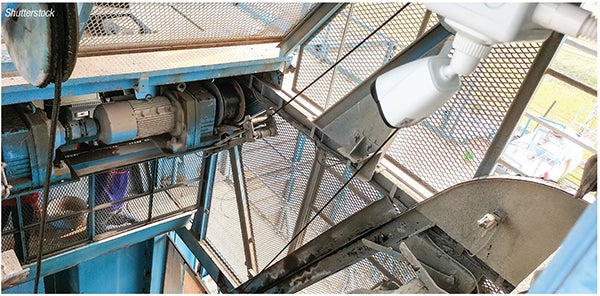
FIGURE 1. AI-supported camera systems can help identify dust buildup, chemical leaks and loss of containment in real time
Chemical storage
Although all chemical processing sites store varying volumes of feedstocks and finished products, chemical storage is an often-overlooked source of industrial housekeeping issues. Improper storage of reactive or incompatible chemicals can lead to many problems, from inefficient receiving and logistics to explosion and runaway reaction risks. Cameras and sensors can be installed to look at a specific area and monitor the types of chemicals being stored — for instance, ensuring that acids and bases are not stored in the same area. Models can be trained to look at specific drum types and container sizes and read labels to detect storage issues and mistakes.
“By adding these types of sensors and video-based monitoring systems into your manufacturing environment, you can identify things in real time, like chemical segregation. For instance, if a certain chemical is not supposed to be stored in a certain location, the camera system can detect that, and it ties into a local alarm system, giving you another set of ‘eyes,’” says White. In addition to reducing costly storage errors, such real-time information can help shape future training modules and operating procedures.
Spills, leaks and containment
Another important use case for physical AI, including sensor and camera networks, is spill and leak prevention in areas that are at high risk for leaks, such as equipment with manual connections that require validation, or systems with vulnerable break points that are susceptible to leaking. “The camera-based systems can detect and alert personnel in real time when leaks or spills are occurring, allowing emergency responders to go in and intervene in a much quicker manner,” notes White (Figure 2).
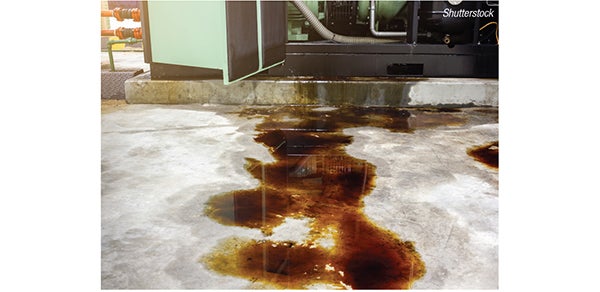
FIGURE 2. Smart camera networks can quickly alert plant personnel of chemical spills
Another crucial housekeeping activity in production sites is the management of combustible dusts. Video-based detection systems could also provide support here, potentially alerting personnel to the formation of dust clouds, or also simply pointing out areas of housekeeping improvement to reduce combustible dust risks. “For example, the system could look for differences in color in the flooring and the dust itself and help detect poor housekeeping practices.”
Air quality and emissions
Additional use cases for AI-supported visual systems arise in the areas of air-quality and emissions monitoring in production environments. “For instance, consider that an undesirable chemical is showing up in a production process in the form of smoke or a discolored discharge. Those are very easy things for camera-based systems and AI systems to detect in real time. In the past, you may have been limited to a particular chemical-monitoring method that may or may not have had a detection limit, but now you can use a camera-based system to see any visual differences in the emissions,” comments White.
Alongside compliance with traditional air-emissions regulations from permitting bodies like the U.S. Environmental Protection Agency (EPA; Washington, D.C.; www.epa.gov), there is also a role for visual-based inspection of stack emissions to understand composition, which can often be nebulous to parse. “One way to improve that process from an emissions-monitoring perspective is to leverage camera-based solutions for real-time inspections, which takes out some of the subjectivity there. You can train the models to look for different gradients of discoloration, particulates or other things that may be out of the scope of your permit. You can monitor and detect these items in a much quicker manner than having personnel periodically come out and look at the site. This increases compliance and reduces the human error associated with traditional visual inspection,” he says.
Personal protective equipment
Visual monitoring systems are also helping sites comply with PPE guidelines, making sure employees are wearing the right equipment at the right time to prevent injuries and illness. For instance, cameras can be set up to detect if employees are wearing the proper type of respirators for specific chemical exposures in real time and feed the data into an alarm system. In the event that someone enters an area where exposure concerns are present, they will be notified if they are not donning the proper PPE. “It’s just another way to scrutinize compliance and make sure the right controls are in place to protect people, the process and the environment,” says White.
These types of systems will also likely communicate with advanced gas-detection systems in the future. “Moving forward, I think we’re going to see people wearing real-time gas detectors, and when the detector sees elevated levels above a certain concentration, then the AI system will kick in the requirement for a respirator, for example. So when a certain condition is met for wearing a respirator, the camera will look for mismatches. It’s kind of like an attention activator for real-time compliance,” he adds.
Barriers to entry
As with any new technology platform, there are difficulties that must be addressed prior to adoption to ensure smooth integration and ongoing operational trust. One issue that sites may grapple with is handling the sheer volume of data produced by real-time visual-monitoring systems. This highlights the importance of setting up systems to minimize false positives and false negatives, and to smartly tie into additional data sources to precisely target issues. “The last thing you want is to create a large administrative burden with these datasets that people can’t keep up with managing using their current resources,” advises White.
Another situation that sites may run into is not having sufficient information technology (IT) infrastructure in place to handle camera-based detection networks. Top considerations before installing such physical AI systems include site data connection, wireless connectivity and camera resolution. “These items aren’t always at the forefront of investment plans in traditional manufacturing facilities, and that’s one of the barriers for leveraging these technologies. I would encourage people as they’re investing in new capital projects to look at it from this advanced technology lens to make sure the Wi-Fi is in place, the power requirements are there, and that you’re installing high-resolution cameras in prevalent areas, while also making sure that you’re following all the process safety requirements for installing cameras, like ensuring that they’re explosion-proof or ATEX rated,” explains White. ■
–Mary Page Bailey
References
1. AIHA, Using AI to Enhance OEHS Guidance Document, 2025, www.aiha.org/education/guidance-documents/using-ai-to-enhance-oehs.