New Products & Services
January 2026

Source: Hexagon
EcoSys™ 9.4 is the latest evolution of this company's Enterprise Project Performance solution. This update introduces the generative AI chat assistant, HxGN Alix, which is now embedded within EcoSys to transform how organizations plan and manage complex projects, letting users interact with project data through a conversational interface powered by HxGN Alix. As projects increase in complexity and scale, EcoSys’ new AI assistant helps companies meet rising demands by delivering a smarter, faster and better-connected approach to project performance. Serving as an intelligent GenAI assistant, HxGN Alix offers personalized, reliable support that mirrors human expertise, helping to eliminate information silos. Later this year, HxGN Alix will expand across Hexagon’s Asset Lifecycle Intelligence portfolio, amplifying its impact across industries. With the new assistant, users can query project data using plain language, eliminating the need for complex navigation or manual data extraction, and receive real-time recommendations tailored to project context. Users can also automate routine tasks like reporting and data retrieval, freeing teams for more high-value work. Leveraging tools-based AI behind the scenes enables the model to interact intelligently with the data and business workflows. Alix can only access the same information as the assisted user, which ensures that no customer data is shared with or used to train the AI model. — Hexagon AB, Stockholm, Sweden
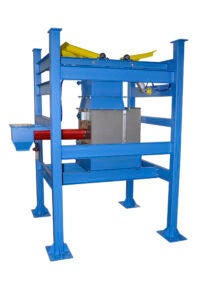
Source: BPS
The Model TSF twin-screw feeder from Best Process Solutions (BPS) is designed for precise batching and weighing applications. The feeder’s dual-helix design combines fast, high-volume filling with accurate dribble flow at the end of the cycle. Its compact design is ideal when limited space prohibits multiple individual screw units, the company says. Two helixes — 1.5 in. and 4 in. in diameter — are mounted on an 18 x 22-in. hopper. They are rated at 17 ft3 and 283 ft3. per hour, respectively, at maximum RPM with 100%-efficient conveyable product and no slippage, according to the company. The Model TSF is ideal for batching to weigh-hoppers, low loss-in-weight scale-monitored flow, low loss-of-weight batch applications with scales, drum and pail packout lines and recipe-type batching by multiple computer-controlled units. A host of options are available. — Best Process Solutions, Brunswick, Ohio
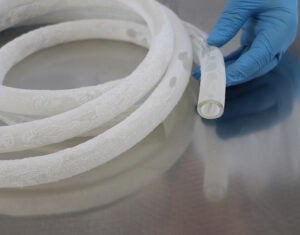
Source: Saint-Gobain Life Sciences
Sani-Tech® STHT®-LT is a new silicone tubing specifically engineered for the rigorous demands of cold temperature applications.STHT-LT was designed to overcome the physical limitations of traditional tubing, which often becomes brittle and susceptible to damage in low temperatures. Instead, this new formulation remains flexible and crush-resistant, ensuring integrity throughout cold storage, cold chain logistics, and freeze/thaw applications. This reduces the risk of failure in single-use tubing for these critical applications. Sani-Tech STHT-LT offers key advantages over traditional fluid transfer tubing, including a brittleness by impact temperature of –114°C and a glass transition temperature of –90°C, STHT®-LT withstands extreme cold without compromising its structural integrity. STHT-LT is validated to maintain its integrity through multiple freeze/thaw cycles, ensuring drug substances remain safe during complex conditions. Formulated without fluoropolymers, STHT®-LT aligns with sustainability goals and evolving regulatory standards in bioprocessing, ensuring long-term compliance for manufacturers. — Saint-Gobian Life Sciences, Solon, Ohio
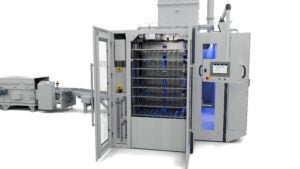
Source: Haver & Boecker
The Integra IV series (photo) is a system for packing mineral and chemical products in valve bags. It integrates the packing machine, bag applicator and discharge system to maximize performance while reducing commissioning and installation efforts, this company says. Each machine is customized to specifications through the configuration system. The housed machine supports up to four filling spouts with a range of bag lengths and widths. It can be equipped with either an impeller- or air-based filling and dosing unit. The unit’s human-machine interface (HMI) features a redesigned 15.6-inch touch operator panel for improved usability. Its integrated industrial personal computer (IPC) allows the machine to be tailored to a specific industry — whether that’s chemical or mineral — to ensure optimal performance without unnecessary complexity, according to the company. The enclosed housing has also been redesigned such that all critical components are hung, rather than being floor-mounted. This makes the design “mop-friendly” and keeps dust contained during the filling process. The Integra IV features large openings and doors for easier cleaning. The application arm is now capable of diagonal motion in addition to the original horizontal and vertical movements. — Haver & Boecker, Oelde, Germany
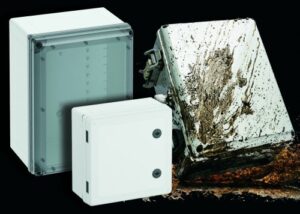
Source: Altech
GEOS Series IP67-rated enclosures for demanding industrial and outdoor environments are made from high-quality, lightweight polycarbonate and feature a unique “Drain Protect” seal system to protect against most environmental influences. UL- and CSA- approved, the units are constructed to withstand impacts and prevent scratches while providing exceptional resistance to UV rays, corrosion, rain, cold and heat, as well as oils, greases and mechanical stresses. GEOS’ innovative Drain Protect seal system consists of a widely overlapping cover with built-in drainage channel along the top edge of the enclosure base to divert moisture to the back of the unit. An elastomer seal provides additional protection against environmental concerns, such as dust and dirt. Users can also choose an air ventilation element option that allows a continuous and high air-exchange rate. This keeps condensation outside of the enclosure while maintaining an IP65 rating. The units also feature –35 to 80°C temperature resistance, insulated protection, a modular component-mounting system and IK09 drop-resistance rating. A hinged version, GEOS Cabinet, is also available for outdoor applications. — Altech Corp., Flemington, N.J.
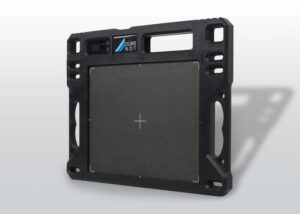
Source: DÜRR NDT
The new D-DR 2430 NDT is a portable digital X-ray detector for industrial radiography. With an active area of 233 mm x 291 mm, the detector offers a medium size that is ideal for most non-destructive testing (NDT) and inspection tasks. It is suitable for use with gamma sources due to its the gadolinium oxysulfide (GOS) Plus scintillator. The Plus scintillator was specially developed for applications requiring maximum sensitivity to high-energy and hard radiation. With a thicker scintillator compared to other GOS variants, it offers significantly improved absorption efficiency to gamma rays. At a pixel pitch of 76 μm, it achieves a remarkable basic spatial resolution (SRb) of 130 μm, making the D-DR 2430 NDT suitable for more demanding weld inspections and detailed imaging of pipe profiles. The detector is dust-tight and waterproof (IP67) and can easily withstand even the toughest field applications. It passes a drop test from a height of 1 meter. An internal shielding protecting the electronics from too much radiation ensures a long lifetime for the detector. The D-DR 2430 NDT can be used wirelessly using a rechargeable battery and Wi-Fi, or alternatively in a wired configuration via the Gigabit Ethernet connection and optionally with a power supply unit. Thanks to integrated status indicators for Wi-Fi, LAN, battery, and sensor, all relevant operating information is always visible directly on the device. The D-DR 2430 NDT is also operated using this copmany's D-Tect X inspection software. Powerful and intelligent tools such as the X-Filter for fast image optimization make image evaluation easy and significantly more efficient. With the optional wall thickness tool, profile images of pipes can be quickly evaluated and the results exported as an Excel report. — DÜRR NDT GmbH & Co. KG, Bietigheim-Bissingen, Germany
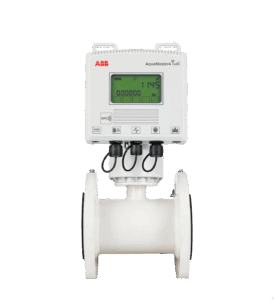
Source: ABB
The AquaMaster4 electromagnetic flowmeter is equipped with Message Queuing Telemetry Transport (MQTT) technology to support conservation efforts across the water industry. The solution will minimize pipeline water leaks, reduce energy use and support broader sustainability goals in the water industry. MQTT is a lightweight, open-standard messaging protocol designed specifically for efficient, real-time communication in Internet of Things (IoT) applications. MQTT requires minimal network bandwidth and device resources. AquaMaster4 MQTT will benefit utility companies looking to transition from legacy to real-time, intelligent water system operations through the deployment of smart flowmeters in District Metered Areas. It can instantly report flow anomalies – for example a sudden increase in flow when consumption is low – allowing engineers to pinpoint a potential leak or burst within minutes. This significantly reduces water loss and repair costs compared to older methods that might detect a leak hours or days later. Through streaming real-time pressure data from various points in the network, operators can dynamically adjust pressure settings. For example, they can lower pressure during off-peak hours to reduce strain on pipes and prevent bursts, then increase it for a morning demand spike. This is significantly more efficient than static pressure schedules and extends the lifespan of infrastructure. Pumps, valves, and reservoir operators can also leverage the solution to report on status and energy consumption. Increasingly combined with AI-powered analytics, the data can be used to predict equipment failures and automate maintenance schedules. — ABB, Inc., Zurich Switzerland
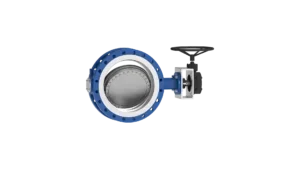
Source: Ari Armaturen
ZETRIX metal-seated process valves feature a thermal balancing, self-aligning seat ring that guarantees zero leakage, even at elevated temperatures or during rapid thermal cycling, making them a suitable valve solution for demanding service conditions involving temperature extremes, pressure swings and severe mechanical stress. A stellited seat comes standard, providing long-lasting protection against wear and erosion. Designed with maintenance in mind, each valve requires fewer spare parts than comparable models. The standard spare parts kit includes a lamellar seal ring, graphite packing unit, and two spiral-wound gaskets for simplified inventory and service planning. A key advantage of the ZETRIX design is its long shaft extension, which allows for continuous insulation without any “cut-in” around the valve body. The packing gland is located outside of the insulation layer, eliminating the need to remove insulation during maintenance. This smart configuration also reduces unwanted heat transfer to the operating gear and prevents insulation from trapping process heat against the actuator or handwheel. To ensure stable operation under vibration and dynamic loads, ZETRIX valves are equipped with a wedge-shaped, self-locking retaining ring secured with Nord-Lock washers as standard, providing an added layer of mechanical safety and reliability. —
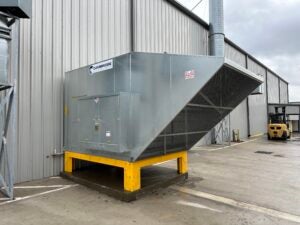
Source: Denso
This company's 190DP epoxy grout has been developed to provide superior durability and stability for heavy machinery and precision equipment installations. Designed as a three-part, high-strength, low-exotherm grout, 190DP addresses the complex challenges of baseplate grouting for machinery, ensuring optimal performance, alignment, and vibration isolation. With its advanced low-exotherm technology, the 190DP Epoxy Grout enables deep, large-volume precision placements without the risk of thermal cracking or overheating, making it ideal for supporting tanks, vessels and rotating equipment in demanding industrial environments. 190DP Epoxy Grout’s exceptional bearing area ensures even load distribution, maintaining equipment alignment over time and significantly reducing the risk of structural damage and costly malfunctions caused by operational vibrations. Engineered for rapid strength gain, 190DP epoxy grout allows facilities to complete installations with minimal downtime, accelerating project schedules and improving productivity, while offering robust corrosion and chemical resistance properties. Its high-strength formulation delivers long-term support, stability, and vibration dampening, effectively mitigating vibration transfer and decreasing the likelihood of mechanical failures. Precision placement characteristics allow for accurate leveling and alignment, which directly enhances equipment efficiency and minimizes ongoing maintenance needs. Additionally, 190DP's secure support for anchors and dowels provides a solid, dependable foundation, further strengthening structural integrity and installation safety. — Denso, Inc., Houston
Source: Cortec
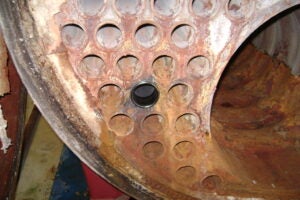
VpCI Chameleon is a new vapor-phase corrosion inhibitor designed for boilers used in the food-processing industry. VpCI Chameleon simplifies and improves the wet layup process for boilers whose steam may come into contact with edible products in and around food-processing areas. While corrosion protection is critical for all industrial boilers, it is more challenging in food-processing facilities where chemicals could contaminate food or drink. Many food-manufacturing processes require the production of steam that may come into direct contact with food. Some of these steam-producing boilers may need to remain offline occasionally due to fluctuations in the production schedule or to serve as backups to primary boilers. By using VpCI Chameleon during these idle periods, food processing facilities can ensure that these assets stay corrosion-free and ready to restart at any moment, without endangering food safety. The typical method for fighting corrosion in boilers during wet layup is to monitor the boiler water multiple times a week, adding sulfite and caustic as needed to maintain protection. This method is so time- and labor-intensive that it often gets neglected, leading to the corrosion problems it was meant to avoid. In contrast, VpCI Chameleon does not require frequent monitoring or reapplication, saving significant time and labor costs and protecting boiler internals during the entire wet layup, independent of oxygen ingress levels. Furthermore, VpCI Chameleon contains both vapor-phase and contact-phase corrosion inhibitors, providing comprehensive protection below the water, above the water, and at the air/water interface. At the end of layup, boilers treated with VpCI Chameleon do not have to be drained, allowing a faster return to service. — Cortec Corp., St. Paul, Minn.

Source: Heidolph
Equipment in the Hei-SHAKE series of products are designed to provide precisely controlled movement and mixing for life-sciences applications. There are three new models being added in this product family. Firstly, the new Hei-SHAKE Wave Core is ideal for sensitive biological samples. It provides uniform, three-dimensional motion to ensure homogeneous mixing. It is available in 5- and 10-deg angles. Next, the Hei-SHAKE Rock Core provides stable and reproducible movement across plates and membranes for hybridization, staining or blotting processes, ensuring uniform wetting and reliable test results. This model is available in 5- and 10-deg angles. Finally, the Hei-SHAKE Reciprocating Core ensures thorough and reliable processing of samples that require linear shaking. With a stroke of 36 mm and a wide speed range from 1 to 300 rpm, this laboratory shaker is ideal for demanding mixing tasks, combining powerful performance with precise control for reproducible results. The new shakers of the modern Hei-SHAKE are suitable for processing larger vessels or many small vessels — either on one or several levels. In addition, they can be equipped with numerous different accessories, because there are countless types of vessels available ( including tubes, vials, Eppis, Falcons, flasks, cell bags and so on). At the heart of the Hei-SHAKE series is a specially developed motor that offers the advantages and functionality of a server motor, providing maximum precision, control, and efficiency. It enables finely adjustable control while continuously monitoring speed and position, eliminating the need for calibration. The motor responds extremely quickly to control commands and can change its direction of rotation in a very short time - ideal for applications with changing requirements. Despite its compact design, it delivers high torque and constant performance - perfectly suited for the limited installation space in laboratory shakers. The motor also scores points for energy efficiency when idling it only consumes power when actively regulated. Precise control and integrated protection mechanisms guarantee longevity and operational reliability - even in demanding continuous applications. Thanks to load-dependent optimized power consumption, the system is particularly energy-efficient: it only uses as much energy as is actually needed, resulting in high efficiency, low self-heating, and minimal speed fluctuations, comparable to the precision of an industrial robot. — Heidolph North America, Wood Dale, Ill.
Source: Exair
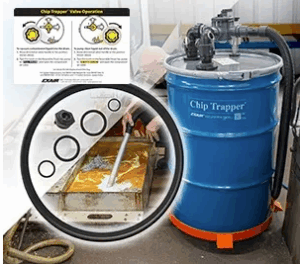
This company's Chip Trapper provides a fast, efficient way to remove solids, such as chips, swarf or shavings, from used coolants or other liquids, prolonging their useful life. Newly available is a Chip Trapper Lid Rebuild Kit to bolster performance on older units and help maintain optimal efficiency. By replacing a few key components on the Chip Trapper system, an older unit can be restored to like-new condition with minimal effort. Chip Trappers are pneumatic vacuums; thus, they have no moving parts to wear out over time and provide a long-lasting solution for any process. However, over time, performance may degrade due to worn sealing rings, or prolonged chemical reaction between the sealing gaskets and sump coolant. The Chip Trapper Lid Rebuild Kit comes with replacement bulkhead, quick connect, and sealing gaskets to replace faulty or worn-down seals that may limit the Chip Trappers performance. Also included is a detailed instruction label outlining how to properly utilize the Chip Trapper valves. Preventive maintenance is an effective way to keep products operating at optimal levels. The Chip Trapper Lid Rebuild Kit comes in versions for 30-, 55-, and 110-gal Chip Trappers. — Exair LLC, Cincinnati, Ohio
Source: Aerzener
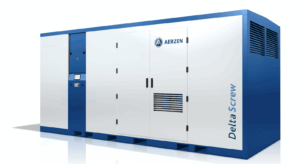
This company has added a new size to its Delta Screw line of compressors — the new VM 200 model. This newest compressor covers volume flows from 3,500 to 12,200 m³/h and differential pressures of up to 3.5 bars, fulfills industry-specific requirements in the low pressure range. With the VM 200, the compressor product range now includes twelve sizes from 1,700 to 15,000 m³/h and drive powers from 200 to 1,000 kW. The VM200 impresses is very compact for its capacity, due in part to the space-saving, horizontal configuration of the discharge silencer. The compressor is completely oil and PFAS-free (ISO 8573-1, class 0), which makes it unique in the market, says the company. The absence of a coating on the rotors ensures additional process reliability. Intelligent control systems and maximal operational reliability are ensured by the AERtronic software. The integrated operating panel allows reliable monitoring of suction, discharge and oil pressure, as well as temperature values. This compressor first premiered at the Powtech Technopharm event in Nuremburg. — Aerzener Maschinenfabrik GmbH, Aerzen, Germany
Source: Smith & Loveless
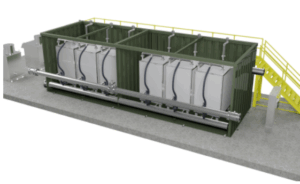
Titan Mem-Box is a compact, packaged membrane system that converts conventional activated sludge treatment plants into high-performance water recovery systems. It is ideal for those facilities that are needing to expand the processing capacity of existing treatment plants, improve effluent quality to meet discharge permit requirements or achieve water-reuse sustainability goals. The Titan Mem-Box serves as a modular membrane tank that supplements a wastewater treatment system, converting it a full-fledged membrane bioreactor (MBR) system. Designed for both existing and newly proposed plants, this membrane system eliminates the need for constructing additional treatment basins while streamlining the design process and reducing project time and costs. System components include the following: membrane modules, PLC controls, all required valves and piping, recycle pump, chemical storage tank and air supply for scouring. The new Titan Mem-Box will be showcased at the upcoming Unified Wine & Grape Symposium, January 28-29, 2026, Sacramento, Calif. — Smith & Loveless, Lenexa, Kan.
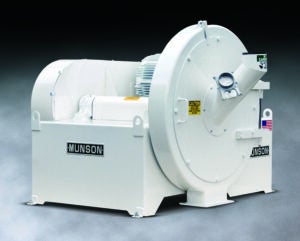
Source: Munson Machinery
This company's centrifugal impact mill grinds friable materials, reduces flakes and de-agglomerates materials at rates to 5 cu ft (142 L) per minute, yielding narrow particle size ranges without the use of screens. High-speed rotation of the inner disc creates centrifugal force that accelerates bulk material entering the central inlet of the opposing stationary disc. As material travels from the center to the periphery of the discs at high speed, it crosses five intermeshing rows of rotating and stationary pins, yielding desired tight particle size distribution. Materials remain cooler than in other types of mills since retention is minimal and air is constantly drawn through the mill chamber. Setting the infinitely-variable rotor speed from several hundred rpm to 5,400 rpm provides the flexibility for coarse grinding and de-agglomerating, or fine grinding to 325 mesh. Also known as a pin mill, the unit features smooth interior surfaces with no crevices, and hinged, vertically-oriented outer discs, permitting unobstructed access to the interior for rapid cleaning. Typical industrial applications include grinding of ceramic filter media, chalks, coal, friable resins, dry clay, gypsum, pigments, and powdered metals. Sanitary stainless steel models are utilized for bulk pharmaceutical ingredients, nutraceuticals, flour, fish food, grains, spices, salt and sugars, as well as contamination-sensitive bulk chemicals. — Munson Machinery Company, Inc., Utica, N.Y.
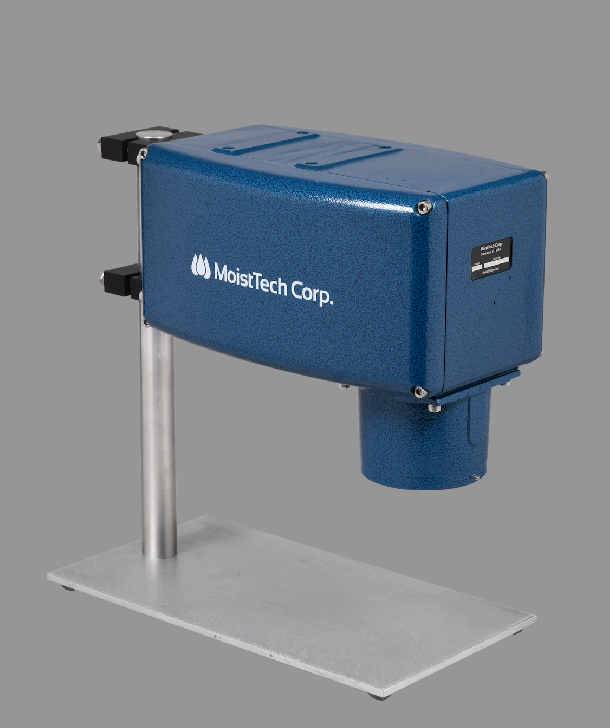
Source: MoistTech
Built on precision near-infrared (NIR) technology, the IR-3000 moisture sensor enables manufacturers to dramatically reduce material waste, energy consumption and process inefficiencies by providing continuous, real-time, non-contact moisture measurement. The IR-3000 allows production lines to operate at maximum efficiency without the energy-intensive pauses of traditional lab testing. The sensor’s instant feedback capability empowers operators to fine-tune drying and heating processes on the spot, ensuring optimal moisture control that prevents product defects and reduces energy use. As a result, manufacturers can minimize over-drying, conserve natural resources, and significantly lower operating costs while maintaining top-tier product quality. Designed for longevity and low maintenance, the IR-3000 eliminates the need for frequent recalibrations that often lead to production downtime and waste. Pre-calibrated at the factory and engineered with robust materials, it performs reliably even in harsh industrial environments, reducing both maintenance-related resource use and overall equipment footprint. In waste management and recycling applications, the IR-3000’s precision monitoring capabilities help facilities optimize drying systems, reduce unnecessary energy output and enhance the quality of recyclable materials, contributing directly to cleaner, more efficient operations. — MoistTech Corp., Sarasota, Fla.
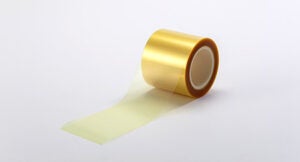
Negative photo definable polyimide sheet (Source: Toray)
This company has developed a negative photo-definable polyimide sheet for glass-core substrates in used to connect chips to printed circuit boards in semiconductor manufacturing processes. This sheet makes it possible to simultaneously microfabricate the redistribution layer (a multilayer structure comprised of extremely fine copper wiring and insulating layers, such as polymers or oxide films) and fill through-glass via electrodes (TGVs) with resin. This material shortens processes and cuts costs because it enables void-free resin filling of TGVs with conformally plated copper. Conformal plating forms a copper or other metal plating layer that follows the surface of a substrate, enabling uniform plating thickness even on parts with complex shapes. Substrate manufacturers have started evaluating samples of the new materials, and mass production is anticipated to begin in April 2026. Conventional semiconductor packaging mounts multiple chips on glass-epoxy substrates using silicon interposers with fine wiring. Higher chip integration makes substrates larger and wiring denser. Glass-core substrates are garnering attention for their superior size flexibility, flatness, and electrical properties. It is increasingly important to integrate interposers and package substrates into single units. Still, glass core substrates present challenges. Such conventional techniques as laser processing epoxy resin layers have made it hard to finely process rewiring layers. Another issue is thermal stress-induced glass cracking. On top of that, filling fine vias 50 microns or smaller in glass core substrates with copper requires prolonged low-current plating, driving process costs up. This new new sheet makes it possible to form fine wiring with photolithography. Filling TGVs with resin slashes copper plating costs. Also, proprietary polyimide design and photopolymerization reaction control technology reduce the elastic modulus by around one-third from conventional levels, suppressing glass cracking from thermal stresses. The sheet additionally supports microvia processing below 10 microns in diameter. This lowers costs in combination with conformal plating, which applies copper plating only to the TGV walls. — Toray, Inc., Tokyo, Japan
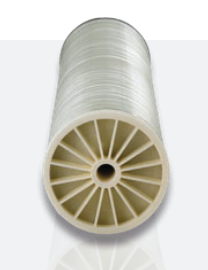
Source: DuPont
FilmTec SW30XLE-400/34 is a low-energy, fouling-resistant reverse-osmosis (RO) element for seawater desalination. Biofouling is a well-known challenge in RO systems, leading to increased operational costs due to higher pressure drops and the need for more frequent chemical cleanings. This increase in maintenance not only impacts operational costs, but it can also reduce the overall system efficiency. The new FilmTec SW30XLE-400/34 RO element has been specifically designed to tackle these biofouling challenges. Extensive validation studies at this company's Global Water Technology Center in Tarragona, Spain have showcased its impressive performance under typical seawater conditions. Featuring the reliable high performance that you expect from FilmTec™ elements, the FilmTec™ SW30XLE-400/34 element demonstrates up to a 25% lower initial pressure drop compared to previous generation, which can help provide enhanced energy efficiency and operational performance, as well as less downtime and cleaning frequency. — DuPont Water Solutions, Wilmington, Del.
Source: DENIOS
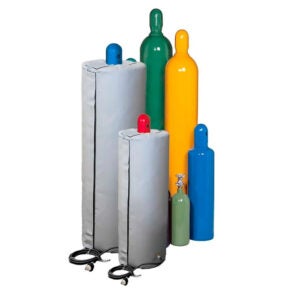
This company's flexible heating jackets for gas cylinders feature advanced technology to heat cylinders quickly and uniformly for better viscosity and flow control of contents. Complete coverage ensures uniform warming of the entire gas cylinder, providing advantages for gases such as SF6, propane, nitrogen, oxygen, BC13, WF6 and HF. Thermostatically controlled blankets operate in a range from –40° to 104° F, and feature “fit and forget” 24/7 operation with no regular maintenance required. The self-regulating heating element eliminates the need for extra temperature control. Fitted with adjustable retaining straps and quick release buckles, they fit cylinders from 27–33 in. in circumference. Each comes with a NEMA 1-15P plug. The heating jackets are available in low-power and high-power versions for Ordinary locations and Hazardous areas (C1D2). High-grade thermal insulation reduces heat loss and increases efficiency while protecting the operator. The jackets are ETL approved to UL and CSA standards. — Denios US, Inc., Louisville, Ky.
Source: Pfeiffer
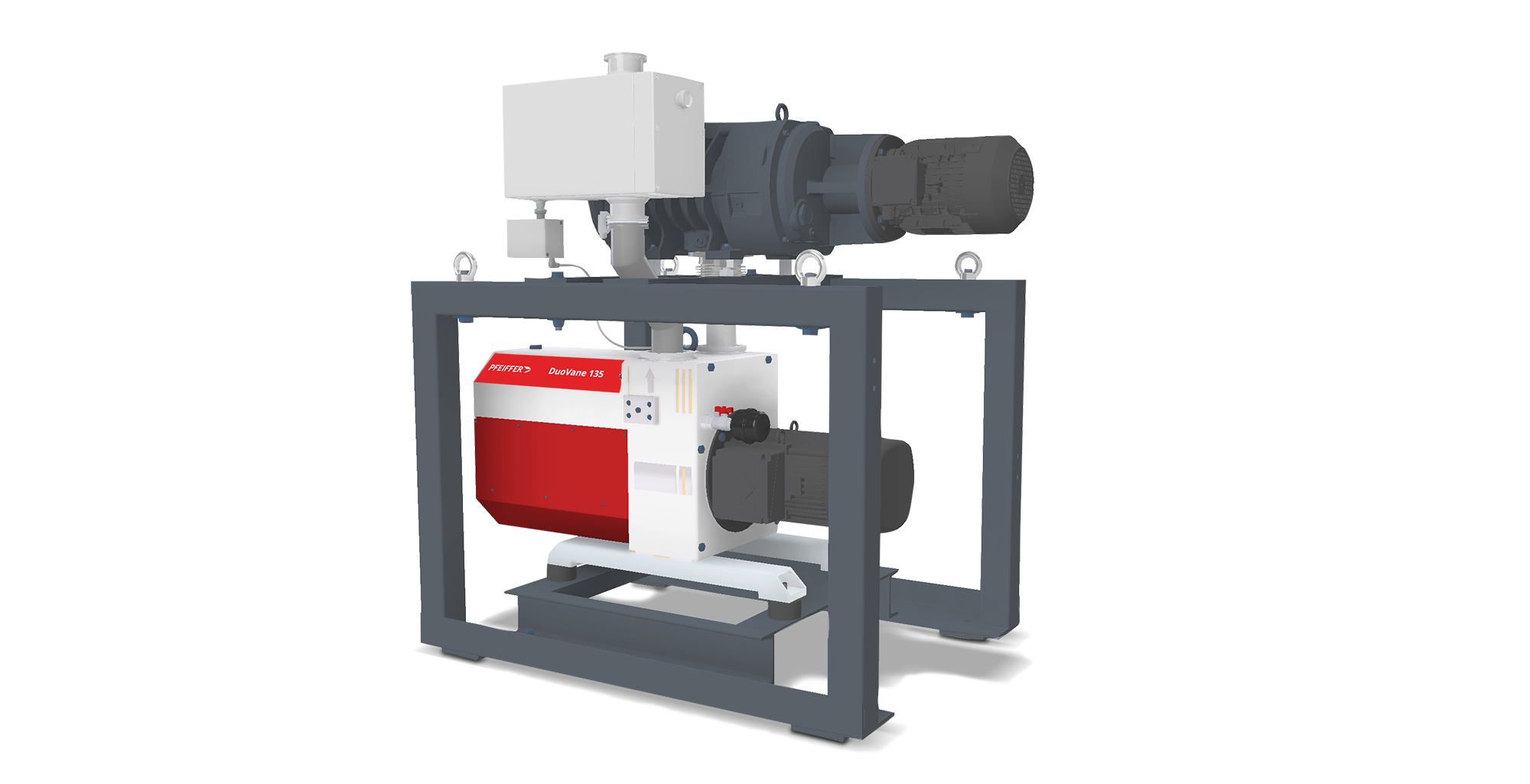
The COMBI WVD vacuum booster pump unit features high pumping speed and low ultimate pressure, from atmosphere down to the 10-3 hPa (mbar) range. This makes it ideal for both standalone operation and use as backing pump for high vacuum pumps, such as turbomolecular vacuum pumps. The COMBI WVD pump unit is the successor to this company's CombiLine WD. COMBI WVD vacuum booster pump units are particularly ideal for vacuum coating or drying applications and are also well suited for use in metallurgy, Research & Development, and other industries. They are available with various configurations of PANDA vacuum boosters and DuoVane rotary vane vacuum pumps. To ensure optimal adaptability, customized configuration options are supported, as well as a variety of accessories, including control units for the vacuum booster and the rotary-vane vacuum pump, oil-mist separators, gas-ballast valve kits and spare parts. The COMBI WVD series ensures reliable vacuum generation, making it also well suited for applications in R&D or the chemical and pharmaceutical industries. This is made possible by the contact-free operation of the PANDA vacuum boosters in the process chamber. In addition, certain configurations can utilize optional magnetic couplings for both vacuum pump and booster, eliminating the need for conventional shaft seals. This design also minimizes maintenance needs and contributes to overall cost efficiency. Additionally, the PANDA vacuum booster is equipped with an integrated bypass valve that protects the vacuum pump unit against overloading and overheating, enhancing the reliability and safety of the COMBI WVD. — Pfeiffer Vacuum GmbH, Asslar, Germany