June 2026
An ultra-compact mass-flow controller with integrated Ethernet/IP capabilities
Source: Brooks Instrument
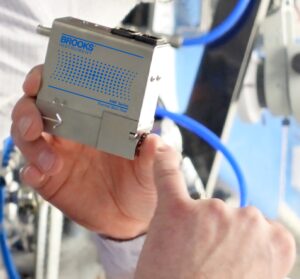
The new, ultra-compact AMF Series™ Advanced Mass Flow Controller is about the size of a standard Post-it Note pad, giving it the smallest footprint of any mass flow controller (MFC) in its performance class. Combining precise gas flow control, fast response, industry-leading 1000:1 turndown capability and advanced diagnostics, the AMF Series offers equipment manufacturers and end users more operating flexibility and improved reliability and process control without the limitations of traditional compact MFCs. As equipment size across industries continues to shrink while growing in complexity and throughput, maintaining stable and precise gas flow becomes increasingly critical. The AMF Series was developed specifically to address these challenges. With a 1-in. x 3-in. x 3-in. footprint, the MFC fits easily inside compact gas cabinets. Despite its small size, the highly accurate AMF Series features advanced capabilities, including integrated EtherNet/IP™ digital communications and onboard diagnostics for predictive maintenance. By providing actionable diagnostic data alongside accurate flow measurement and control, the AMF Series helps users identify potential issues before they impact production, reducing unplanned downtime and improving overall equipment effectiveness. In addition, the AMF Series was designed to maximize uptime and simplify operation with a universal USB-C service port and embedded web-based interface that streamlines in-situ commissioning and troubleshooting. Industry-leading long-term sensor stability helps reduce maintenance requirements and eliminate periodic recipe adjustments and recalibrations. The AMF Series also supports multi-gas configurability and simplified ordering bundles, helping OEMs reduce system complexity while streamlining product selection and integration. — Brooks Instrument, Hatfield, Pa.
www.brooksinstrument.com
An expanded line of versatile industrial Ethernet switches
Source: WAGO
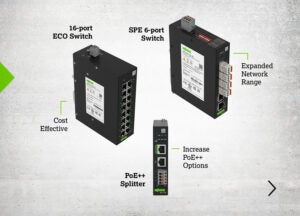
This company has added three options to their Ethernet Switches product line. The first option is an Industrial ECO 16-port switch specifically designed for use with WAGO controllers and couplers. The other options include a 6-port Single Pair Ethernet (SPE) switch and an Industrial Power over Ethernet (PoE++) Splitter.
- 852-116 - Industrial ECO 16-port switch features automatic transmission rate detection (auto-negotiation) and automatic detection of transmit and receive lines (Auto MDI-X) for simple "plug-and-play" operation, saving both time and costs during commissioning.
- 852-2112 - 6-port Single Pair Ethernet (SPE) switch enables Ethernet communication at a bandwidth of 10 Mbit/s using shielded twisted-pair cabling over a maximum transmission distance of 1,000 m (approx. 3,280 ft).
- 852-1739 - Industrial PoE Splitter provides both the 24 VDC power supply and data connection for decentralized control cabinets using a single Ethernet cable.
— WAGO GmbH & Co. KG, Minden, Germany
www.wago.com
An updated information infrastructure collects and centrally manages process data
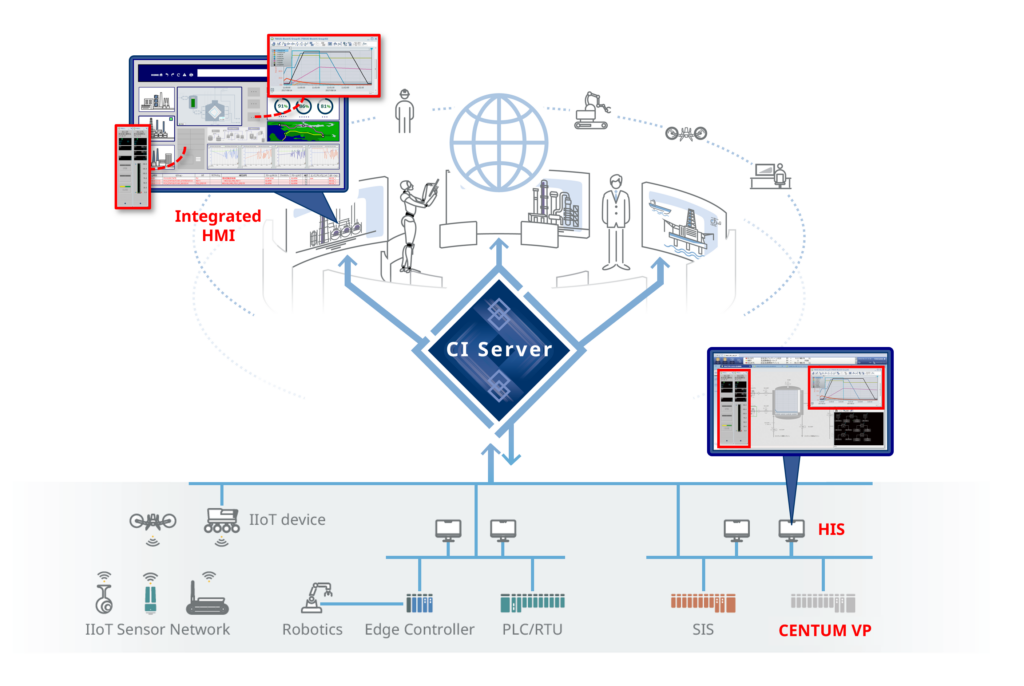
The latest version of the OpreX™ Collaborative Information Server, a product in the OpreX Control and Safety Systems lineup, feature enhancements that strengthen its usability, multi-vendor integration capabilities, and overall system security, thereby increasing its operability as an integrated human machine interface (HMI). OpreX Collaborative Information Server provides an information infrastructure that collects and centrally manages the vast amounts of data generated by equipment and systems in plants, wherever they may be located around the world, enabling cross-functional visibility across all production activities. By delivering the necessary information at the right time through integrated and remote operation environments, the system supports efficient plant operations and rapid decision-making. Throughout the process industry, many different kinds of machinery and equipment are in use at manufacturing plants and other types of facilities. This is driving the need for an integrated HMI environment that will enable efficient operation and monitoring while providing an overview of the entire production facility. At the same time, this demand by field operators for the migration to new systems is accompanied by a desire to retain the same screen layouts and operational look and feel of the control systems they are currently using. Although OpreX Collaborative Information Server is now increasingly used as an integrated HMI, additional engineering has sometimes been required to ensure a familiar operational environment and high compatibility with the human interface station (HIS) of this company's CENTUM VP integrated production control system, which is part of the same OpreX Control and Safety Systems lineup. Furthermore, as the use of devices and software from a variety of vendors has expanded in recent years, reducing the application development workload, improving interoperability, and enhancing security have become key challenges in building a common platform.
Source: Yokogawa
With OpreX Collaborative Information Server’s integrated operation and monitoring interface, it is now possible to directly access specific operation and monitoring windows of CENTUM VP’s HIS. This enables field operators to use OpreX Collaborative Information Server as an integrated HMI environment while maintaining the same functions, screen configurations, and operability as a conventional HIS. In addition, screens from connected systems can be displayed via a remote desktop, further enhancing the convenience and usability of the integrated HMI environment. OpreX Collaborative Information Server’s OPC Unified Architecture (UA) server information model function has been enhanced to support the use of multiple information models when connecting to equipment from different vendors. This makes it easier to accommodate differences in device and system configurations, thereby improving the efficiency of application development and achieving high levels of integration and interoperability. —
Yokogawa Electric Corp., Tokyo, Japan
Real-time visibility of worksite safety is embedded in this software suite
Source: Honeywell
This company has launched enhanced capabilities for its Safety Suite 2.0 software platform, providing broader visibility into portable gas detection device fleets for safety leaders in refineries, chemical plants, utilities and first-responder operations. By adding more historical data, enhanced dashboards and forecasting capabilities, the unified software ecosystem now enables operators to better protect workers in real time, track and forecast compliance metrics and effectively manage device inventory. These updates can help operations teams to connect insights from historical trends and real-time metrics, meaning that organizations can shift from reactive responses to a more proactive approach. This helps to reduce risk, enable faster, more informed decision-making and strengthen a culture where worker safety is embedded in every process, asset and outcome.” With Safety Suite 2.0, safety managers can see past trends to help identify risk patterns and review historical alarm events from a centralized location, supporting post-incident investigations and informing safety training. The software platform helps support coverage for all workers and provides efficiencies and connected insights through other enhanced capabilities, including: Customizable dashboards that consolidate exposure data, compliance status and fleet health into clear visual summaries, making outcome measurement and audits quicker and easier. Real-time alerts are pushed to employees notify them of critical events or upcoming needs to bump test devices, keeping operations running smoothly and helping avoid costly downtime, and real-time readings are displayed from workers’ gas detectors provide quick visibility into safety conditions at all facilities or locations. Guided and automated workflows are available for onboarding, assigning, calibrating and returning devices back into inventory save time and improve tracking of portable technologies when assigned to a team, an individual or several people across different shifts. — Honeywell International, Inc., Charlotte, N.C.
www.honeywell.com
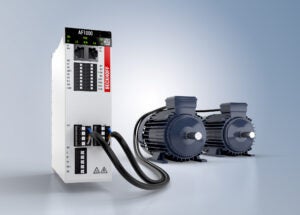
Compact and highly modular VFD series for low-to-medium power requirements
Source: Beckhoff
With the AF1000 variable frequency drive (VFD), this company has introduced a cost-effective solution for basic drive applications across industries, including conveyor systems, pumps and fans. The VFD is fully integrated into the TwinCAT automation system via EtherCAT, providing the familiar commissioning convenience and built-in diagnostics found in Beckhoff’s well-established servo drive technology. The AF1000 VFD is available in two different versions: one for a single-phase supply of 240 V AC with a power range of 0.37 kW (0.5 HP) to 1.5 kW (2 HP), and one for a three-phase supply up to 480 V AC with a power range of 0.37 kW (0.5 HP) to 5.5 kW (7 HP). Despite its compact dimensions and gap-free installation, the AF1000 manages to incorporate an integrated control power supply, DC link capacitors, and a ballast circuit. The control voltage is generated by the integrated power supply from the DC link. Both VFD versions are available in a single-axis module or as a highly cost-effective 2-axis module that also reduces cabinet space requirements. Supported motor types include synchronous servomotors, as well as asynchronous and reluctance motors without feedback operated in UF mode or with vector control. The AF1000 VFD is commissioned using TwinCAT Drive Manager 2. — Beckhoff Automation LLC, Savage, Minn.
www.beckhoff.com
New underwater strand pelletizer improves process stability and product quality
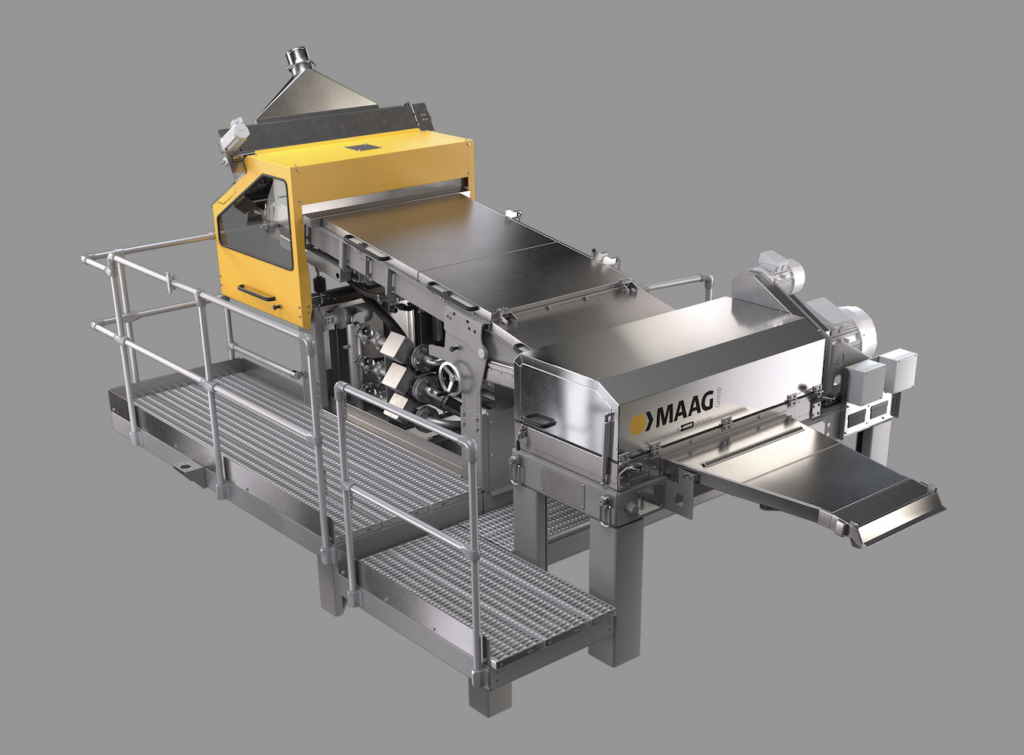
The new M²-USG generation of underwater strand pelletizers is designed to deliver enhanced process stability, higher throughput and consistently superior pellet quality. Design improvements combined with advanced sensor integration enable customers to achieve more reliable production and improved operational efficiency. The new development is engineered to ensure maximum system availability (>99% OEE) and highly stable production processes. Reduced downtime and minimized scrap rates help lower operating costs while improving overall plant profitability. At the core of the system is the newly developed M²-USG cutting head, designed to simplify operation and maintenance while minimizing the risk of operator error. Maintenance procedures can largely be performed without tools, and cleaning times have been significantly reduced, allowing operators to return to production faster. The systems are engineered to produce uniform, cylindrical pellets with minimal fines. During the process, the polymer melt passes through a die plate, is cooled and automatically guided into the pelletizer. Precise control of process parameters is essential. Incorrect settings can cause strand adhesion, unstable cutting conditions, and ultimately production interruptions. The M²-USG addresses these challenges with a series of targeted design optimizations, helping customers maintain stable, efficient, and sustainable production.
Source: Maag
The startup phase is often one of the most critical moments in pelletizing operations. During this stage, polymer strands must be reliably transferred into the guide system. A newly developed scraper combines high operating speed with particularly gentle strand handling. The strands are cut sequentially at the die plate and fed into the strand guide section and the cutting head with a controlled time delay. This significantly reduces the risk of strand sticking, clogging or excessive startup waste, resulting in faster and more reliable process ramp-up. An optimized water film on the startup table prevents turbulence and reduces the risk of strands sticking together. In addition, transport water is injected immediately after cutting, preventing potential blockages inside the cutting head, even when processing high-temperature polymers or challenging materials such as polycarbonate. The result is smoother machine operation, improved process stability and increased system availability for the customer. The new cutting head features a compact and optimized design with improved sound insulation. The rotor diameter has increased from 162.5 mm to 200 mm, while the number of blades has grown from 30 to 36. This upgrade enables significantly higher throughput while extending service life by 20%. A stable cutting gap ensures consistently high pellet quality and reduces maintenance requirements and spare-part consumption further lowering operating costs. The M²-USG is available in machine widths of 600, 900, and 1200 mm. At 600 mm width, the system achieves throughputs of up to 13,000 kg/h (PET), while the 1200 mm version reaches up to 24,000 kg/h - significantly exceeding the performance of previous models. This higher capacity allows processors to achieve the same output with smaller machine sizes, reducing both capital investment and installation footprint. — Maag Pump Solutions AG, Oberglatt, Switzerland
www.maag.com
Compliant weighing and scalable connectivity, without extra software
Source: Sartorius
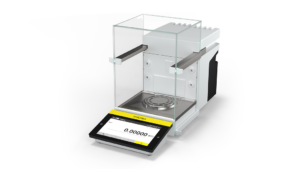
Cubis® III lab balances deliver compliant, connected weighing without relying on any type of software typically required to bridge instruments and lab systems. With built-in connectivity, native compliance features and configurable on-instrument workflows, Cubis III integrates directly into any digital ecosystem, simplifying validation, IT effort and long-term maintenance. Cubis III delivers direct, standards-based connectivity so weighing data can flow securely into existing informatics environments. An embedded OPC UA server and support for enterprise protocols such as HTTPS, FTPS and SMB enable direct integration into LIMS, ELN and CDS without custom, point-to-point solutions. Role-based access control and LDAP integration bring enterprise IT practices to the device, supporting secure user management across balance fleets. Compliance features are fully embedded in the instrument. On-instrument audit trails and electronic signatures support 21 CFR Part 11 requirements, along with guided, pharmacopeia-aligned weighing workflows that enforce consistency across sites and users. Digitized cleaning workflows (Cleaning QApp) capture cleanings with authenticated sign-off, improving documentation and traceability without additional paperwork. By removing the dependency on standalone middleware, Cubis III reduces the scope of systems that must be installed, qualified, and maintained, streamlining lifecycle management and making it easier to scale balance fleets over time. High accuracy with small sample quantities also supports efficient use of valuable materials. With two packages, Cubis III and Cubis III Max, Sartorius enables labs to choose the level of data handling and workflow sophistication that best fits their needs today, while retaining the flexibility to expand capabilities over time through additional workflows and integrations. For labs facing growing demands around compliance, data governance and cost control, Cubis III lab balances provide a scalable foundation for a more connected, efficient and future-ready lab. — Sartorius AG, Göttingen, Germany
www.sartorius.com
A paddle blender designed to produce uniform blends
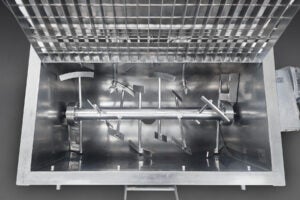
This company's model HD-24-SSI is a new sanitary paddle blender that features two intensifiers, which blend, de-agglomerate and disperse dry bulk materials, pastes, slurries and emulsions in batches to 12 ft3 (0.34 m3). Driven by a 5-horsepower (hp) (3.73 kW) wash-down duty motor, the shaft is configured with 16 radial arms and short-length paddles that move material in smaller zones over shorter distances with greater cutting action than with ribbon-style agitators. Two tulip-shaped intensifiers, also known as high-speed choppers, each independently driven by a 5-hp motor, impart additional shear to break down agglomerates and disperse tough-to-blend materials. The combined action of paddles and intensifiers produces uniform blends of dry solid materials, and of solids with low or high percentages of liquids to produce smooth pastes or slurries. The unit is constructed of #304 stainless steel finished to sanitary standards. One-piece welded construction, heavy-gauge walls and reinforced end panels allow paddles to pass within 1/16 to 1/8 in. (1.6 to 3.2 mm) of the vessel wall, minimizing residual material requiring removal prior to cleaning. The flange-mounted agitator can be hoisted vertically for ease of servicing. —Munson Machinery Company, Utica, N.Y.
www.munsonmachinery.com
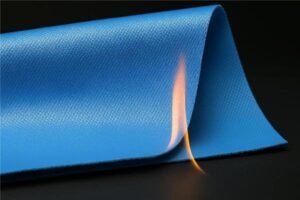
This silicone textile-coating solution raises the bar for fire safety
Source: Elkem
BLUESIL™ TCS 7544 is a new silicone solution for coated textiles requiring compliance with EN 13501‑1 Euroclass A1/A2. The new material delivers high performance for advanced architectural textiles requiring enhanced fire safety, supported by long term durability, resistance to UV and weather exposure, mechanical stability at high temperatures, and reduced smoke emission. Silicone‑coated textiles are increasingly required in construction and public‑infrastructure projects to meet EN 13501‑1 Euroclass A1/A2, the highest fire‑performance classifications for non‑combustible or very low‑combustible products. The new material is formulated to deliver low combustibility and minimize heat release, with performance verified through EN 1716 PCS calorimetric analysis. Testing shows that the material reduces heat release by approximately 20 percent compared with standard fire‑resistant silicone coatings, demonstrating its ability to lower the calorific contribution of the coating layer—often the primary source of combustibility within textile composite systems. BLUESIL™ TCS 7544 is an off-white, pigment-addable coating based on a two-component polyaddition system. It features a 10:1 mixing ratio, ensuring easy mixing, straightforward handling, and adjustable curing speed. Its long pot life (>24 hours at 23°C) offers strong process flexibility, while an optimized 45,000 mPa·s viscosity enables easy pumping and low coat weights. Fast cure in around 3 minutes at 150°C supports fast and efficient crosslinking for high‑throughput, consistent manufacturing. — Elkem ASA, Oslo, Norway
www.elkem.com
New signal-operated backpressure regulators protect safety-critical systems
Source: ControlAir
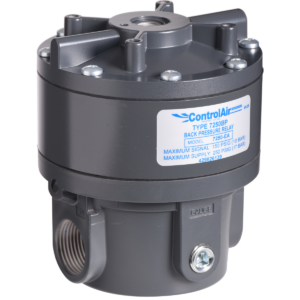
Type 715BP and Type 7250BP signal-operated backpressure regulators are engineered to deliver accurate, stable pressure control and high flow capacity across a wide range of industrial pneumatic applications. Both models feature a precise 1:1 signal-to-output ratio and are designed as normally closed valves that open only when upstream pressure exceeds the control signal or setpoint. This design enables highly accurate relief and flow control, making them ideal for protecting downstream systems from over-pressurization while maintaining consistent performance. The Type 715BP is optimized for applications requiring high accuracy and moderate flow capacity. With flowrates up to 90 std. ft3/min and sensitivity as low as 1/4 in. water column, it delivers quick response to pressure changes and stable operation through an isolated control chamber that minimizes vibration and hunting. Its compact design supports on-line maintenance, allowing service without removing the unit from the air line. The Type 7250BP is engineered for high-flow, high-relief applications, offering significantly greater capacity with flows up to 375 std. ft3/min. Designed for demanding environments, it provides exceptional sensitivity to pressure deviations and stable performance under dynamic flow conditions. The unit can vent excess pressure to atmosphere or be configured to trigger emergency shut-off systems, making it well-suited for safety-critical applications. Both regulators support a variety of applications including industrial automation, process control, pneumatic systems protection, and precision flow control. By varying the signal pressure — typically via an I/P transducer — users can precisely regulate downstream flow or relieve excess upstream pressure, ensuring system efficiency and reliability. The Type 715BP and 7250BP operate at system pressures up to 250 psig and signal pressures up to 150 psig, with multiple port size configurations and optional features such as ATEX certification and expanded temperature ranges. Their rugged construction, using aluminum bodies and high-quality internal components, ensures long-term durability in industrial environments. — ControlAir LLC, Amherst, N.H.
www.controlair.com
This ribbon blender has a high-speed chopper to accelerate powder mixing
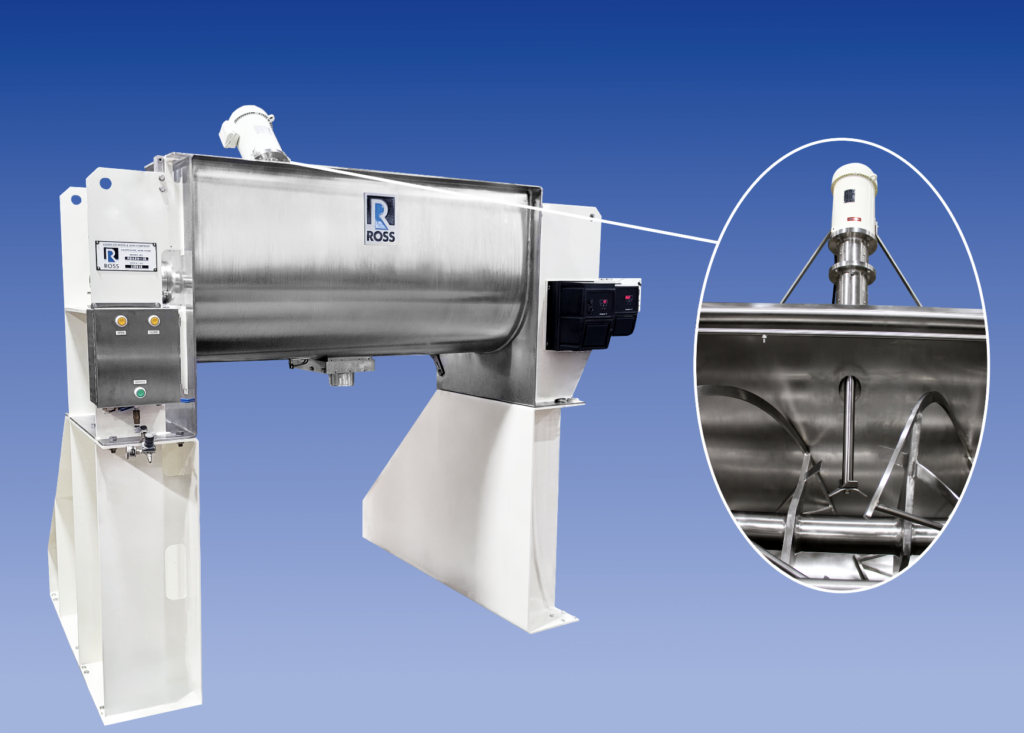
The Model 42N-18 ribbon blender is designed for efficient atmospheric blending of free-flowing materials and has a maximum working capacity of 18 ft3 with a 22 ft3 full holding capacity. A solid double-ribbon agitator, powered by a 7.5 HP totally enclosed fan-cooled (TEFC) motor, delivers thorough blending at speeds up to approximately 47 rpm with variable speed control down to 5 rpm. Designed for center discharge, the agitator is supported by heavy-duty anti-friction bearings and fitted with two-piece stainless steel stuffing boxes featuring adjustable and replaceable braided Teflon packing, providing reliable sealing and simplified maintenance. Fabricated from Type 304 stainless steel with an 80-grit interior finish, the mixing trough includes a two-piece hinged cover with quick disconnect pin hinges, FDA-compliant silicone gasket, and NEMA 12 safety interlock switches for dust-tight operation and safe access during cleaning and maintenance. A removable Type 304 stainless steel safety grate allows operation with the cover open while providing the appropriate operator protection.
Source: Charles Ross & Son
To support dispersion of minor ingredients and reduce agglomerates, this blender is equipped with a high-speed stainless-steel chopper mounted on the top sidewall at a 45-deg angle. The four bladed chopper operates at speeds up to 1,800 rpm and is powered by a 5 HP TEFC motor to ensure efficient dispersion and improved batch consistency. A pneumatically operated 4-in. dust-tight knife gate valve enables controlled discharge and simplified clean-out, while support legs provide 48” clearance beneath the discharge valve for downstream material handling. A load cell system rated for 4,000 lbs. supports accurate batch weighing and process monitoring. Operator controls include start/stop functionality, variable speed adjustment, forward/reverse operation, and digital monitoring of speed and motor load for each agitator, along with two handed pushbutton controls for the discharge valve. — Charles Ross & Son Co., Hauppauge, N.Y.
www.mixers.com
A hopper pump for challenging solids-laden media
Source: Circor Pumps
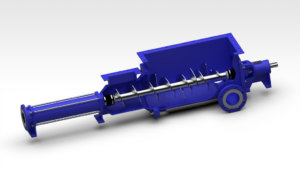
The new Allweiler AE‑RD/RE hopper pump is a progressing-cavity pump engineered to handle highly viscous, non-flowable and solids-laden media in demanding industrial applications. The pump combines a two-part, large-scale casing design, optimized screw conveyor and vertical wall surfaces in the inlet hopper to enable trouble-free operation without separate bridge breakers, reducing equipment complexity and investment costs. Its flow-optimized stuffing box between the inlet hopper and rotor/stator helps ensure the best possible filling of the conveyor elements, prevents partial dry running and reduces wear, downtime and spare-parts consumption. Optional features further increase flexibility and uptime. Flushing connections or inspection openings in the inlet hopper and stuffing box allow secondary materials to be fed into the process or enable quick inspection without lengthy shutdowns, helping ensure high system availability. An optional Maintenance in Place (MiP) design permits quick replacement of wear parts without removing the pump from the pipeline, dramatically shortening mean time to repair; in combination with ALLDUR stators and their particularly long service life, users can achieve the best possible system availability without requiring extension pieces in the piping. Complementary ductile, hard-chrome plated rotors provide exceptional durability and abrasion resistance, supporting long intervals between maintenance events. The AE‑RD/RE Hopper Pump also offers process and layout advantages for operators handling high-viscosity or non-flowing media. By pumping through a closed pipe system instead of open conveyor belts, the pump reduces contamination risk and spillage, helping improve workplace cleanliness and environmental protection. The pump can homogenize the product within the conveying chambers or allow chemicals and additives to be mixed in during pumping, giving processors additional flexibility to combine conveying and conditioning steps. Thanks to the pump’s capability for higher pressures than conveyor screws, it can directly feed drying machines and other downstream equipment while enabling more compact, space-saving plant layouts. With a maximum flowrate of 1,000 L/min, differential pressure up to 24 bars, temperature capability up to 135°C, solids content up to 85 percent, dry substance content up to 35 percent and viscosity handling up to 850,000 mPas, the AE‑RD/RE Hopper Pump is designed for some of the most challenging media encountered in modern plants. These technical capabilities, combined with flexible hopper design and adjustable hopper length, allow the pump to be tailored to a wide range of feed situations while ensuring consistent filling behavior and reliable operation. — Circor Pumps, Burlington, Ma.
pumps.circor.com/allweiler
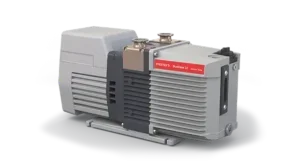
Chemically resistant rotary-vane vacuum pumps for corrosive applications
Source: Pfeiffer Vacuum
The new DuoVane 12 C and 22 C rotary-vane vacuum pumps provide pumping speeds of 12 and 22 m³/h and achieve an ultimate pressure of < 4 · 10⁻³ hPa (mbar). Like all pumps in the DuoVane series, they feature compact dimensions, a robust design and globally available single-phase and three-phase motor variants. The C version has been specifically developed for use in corrosion-intensive applications. Highly resistant PEEK vanes increase durability against the process media used in customer applications. In addition, the pumps are designed for operation with high-purity, inert PFPE oil. This combination reduces chemically induced aging processes and ensures particularly stable and reliable long-term operation. A stainless steel gas ballast system enables reliable handling of condensable and aggressive process media. The innovative design reduces the risk of leakage, preventing both air ingress into the pump and the uncontrolled escape of process media. Furthermore, the DuoVane C features two different 1/8” threaded connections, allowing flexible installation of automatic valves in two mounting orientations and their seamless integration into the process. This enhances process safety and significantly improves the pump’s suitability for applications with increased corrosion resistance requirements. The vacuum pump design ensures a stable pressure baseline — a key requirement, particularly in leak detection. An optimized high vacuum safety valve reliably prevents contamination due to short closing times during shutdown and in the event of a fault. — Pfeiffer Vacuum, Asslar, Germany
www.pfeiffervacuum.com
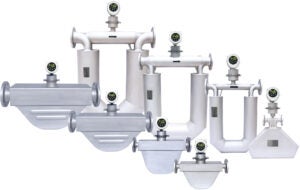
New Coriolis flowmeters are designed for harsh field installations
Source: OleumTech
This company's HMFM Coriolis flowmeters' robust 316L stainless steel components and explosion-proof design for hazardous areas are ideally suited for harsh field installations where uptime and reliability are essential. Direct and remote transmitter mounting configurations provide installation flexibility for elevated temperature processes or challenging access locations. Additionally, thanks to its photosensitive control buttons, users can interface the device without removing the enclosure cover. These flowmeters provide direct mass-flow measurement independent of changing fluid characteristics, such as viscosity or temperature, enabling superior process control, allocation accuracy and operational visibility. The platform delivers mass flow accuracy of ±0.1%, density accuracy of ±0.0005 g/cm³ and temperature accuracy of ±0.2 °C, helping operators optimize throughput while reducing uncertainty in critical measurement points. Designed for upstream, midstream, and downstream oil and gas, as well as chemical processing and industrial utility environments, the new platform delivers performance comparable to other leading manufacturers with a more competitive total cost of ownership. — OleumTech Corp., Foothill Ranch, Calif.
www.oleumtech.com
Focus on industrial cybersecurity with IEC 62443-certified VFD drives

Source: Danfoss
This company's VLT® drives are now compliant with Security Level 1 (SL1) standards, reinforcing cybersecurity support in critical infrastructure applications. This compliance ensures that VLT variable frequency drives (VFDs) meet the rigorous cybersecurity requirements set by the European Union. VLT drives are equipped with advanced firmware to enable SL1, certified according to IEC 62443-4-2. This certification guarantees a secure balance between risk reduction and usability for commissioning and service situations. Additionally, the company's product development and manufacturing processes are certified according to IEC 62443-4-1, ensuring that drives are developed and built through secure and rigorous processes, protecting against unauthorized access and manipulation. A cybersecure access strategy enhances operational security by allowing advanced roles and access levels, ensuring that only authorized personnel can manage and modify drive operations. Secure configuration can be set up via the local control panel while the VLT Motion Control Tool MCT 10 software further facilitates secure configuration and management, enhancing operational efficiency with confidence in cybersecurity. Drives compliant with SL1 include: VLT® AutomationDrive FC 301 and FC 302; VLT® Decentral Drive FCD 302; VLT® AQUA Drive FC 202; VLT® HVAC Drive FC 102; and VLT® Refrigeration Drive FC 103 — Danfoss, Nordborg, Denmark
www.danfoss.com
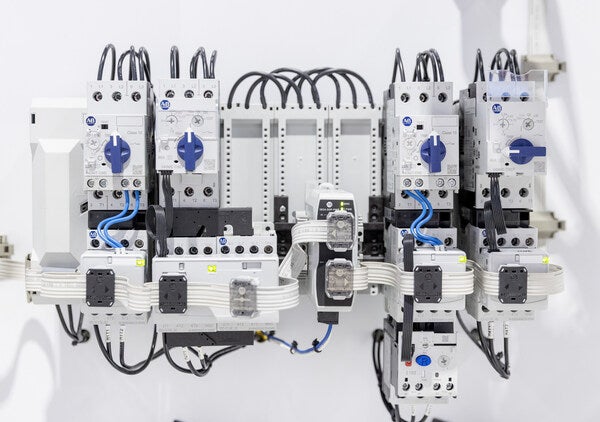
New motor-control and power-connection capabilities extend this EtherNet/IP platform
New capabilities have been added to this company's EtherNet/IP™ In-cabinet Solution, expanding support for additional motor control and protection devices. The update enables manufacturers to connect more components inside the control panel, simplify wiring and gain deeper diagnostic insight, without redesigning their existing architecture. As manufacturers work to increase productivity and reduce downtime, they often face challenges related to limited data access and complex panel installations. The EtherNet/IP In-cabinet Solution addresses these issues by streamlining communication between devices inside the panel, improving real-time data availability and making it easier to install, scale and maintain motor control systems over time. The expanded release adds a supplemental power tap and extends EtherNet/IP connectivity to additional motor control components, including 140ME Motor Protective Switching Devices and E100 Electronic Overload Relays through a 100-E Contactor communication module. These enhancements help manufacturers build smarter, more connected control panels while improving diagnostics and overall system visibility.
Source: Rockwell Automation
A supplemental power tap helps maintain stable performance as device counts increase, reducing the need for oversized power supplies or additional interposing relays and enabling scalable motor control architectures. In certain cases, EtherNet/IP In-cabinet Solution has been shown to reduce wiring time by up to 80% compared to traditional hard-wired installations when implemented according to recommended standards. Compact components allow more devices to fit within the same footprint, helping reduce overall panel size. Real-time communication between devices boosts productivity and supports smarter decision making. With expanded connectivity across more components, users gain access to more data and meaningful insights. — Rockwell Automation, Milwaukee, Wis.
www.rockwellautomation.com
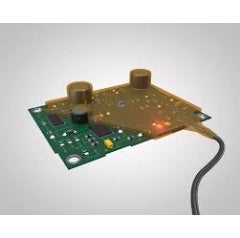
Ultra-low-viscosity material delivers protection for challenging device designs
Source: Henkel
Technomelt PA 6370 is a highly flowable, ultra-low melt viscosity low-pressure molding material engineered for the most intricate and challenging electronic systems and components. Capable of thoroughly filling gaps as small as 0.5mm, the new polyamide-based hot melt meets rigorous industry requirements to ensure rugged moisture, heat, corrosion, and environmental resistance, elevating operational reliability. Technomelt materials offer fast, gentle, low-energy processing capabilities and lower standard emissions compared to conventional potting encapsulants. Some potting materials may require as many as eight steps and up to 24 h to process. In comparison, Technomelt hot melts encapsulate electronic parts in three simple steps with minimal pressure and cycle times as low as 30 seconds. Until now, achieving small dimension filling while maintaining the proven protective characteristics of Technomelt materials has been challenging. Technomelt PA 6370 has resolved this with an ultra-low melt viscosity (2700 – 3000 mPa·s @ 210° C; 1065-1180 mPa·s at 240° C) that delivers good penetration and wetting along with high adhesion stability on multiple substrates, passing lap shear testing after 1,200 hours exposure to high heat and moisture (85°C/85° RH). Technomelt PA 6370 has excellent electrical insulation properties and meets the UL 94 V-0 flame retardancy standard. The material’s low coefficient of thermal expansion (CTE) of 175 ppm is also notable, rivaling that of many two-part polyurethane and epoxy potting formulas. This characteristic confirms Technomelt PA 6370’s dimensional stability and stress-resistance across its wide operating temperature range of -20° C to 140° C. Technomelt PA 6370 is well-suited for low-voltage applications such as motors, as well as connectors, sensors, printed circuit boards, and any electronic device operating in harsh, demanding conditions.— Henkel AG, Düsseldorf, Germany
www.henkel.com
Air Products opens expanded Missouri Manufacturing and Logistics Center
Air Products (Lehigh Valley, Pa.) hosted a ribbon-cutting celebration at the new $70-million expansion of its Missouri Manufacturing and Logistics Center in Maryland Heights, near St. Louis, Missouri.
The expansion, which is Air Products Membrane Solutions’ largest ever investment in a single location, is driven by growing product demand in biogas and hydrogen recovery applications, as well as customer needs for the use of nitrogen for the aerospace industry and cleaner fuels for the marine industry.
Products manufactured at the new facility will include the PRISM® GreenSep membrane separator for bio-LNG production, and the PRISM® N2Sep membrane separator designed to separate nitrogen from compressed air.
“This is a great day for Air Products Membrane Solutions and the area community,” said Dr. Erin Sorensen, general manager, Air Products Membrane Solutions. “This expansion of our Maryland Heights facility enables Air Products Membrane Solutions to meet growing customer demand and help our customers work more efficiently and further our collaborative goal of building a cleaner, more productive world.”
A crowd of more than 100 guests including state and local leaders joined Air Products Membrane Solutions employees for the event. Those in attendance included program speakers Walter Nelson, Air Products, President, Equipment Business & Technical Solutions; Kayla Kueckelhan, Deputy Director of the Missouri Department of Economic Development; and Mike Moeller, Mayor, Maryland Heights, Missouri.
Air Products has completed more than 70 hires in the region to support the new manufacturing facility. More than 250 employees now work at the facility.
At the event, the Air Products Foundation also announced two grants totaling $30,000 to support non-profits in the St. Louis area. The Air Products Foundation awarded $15,000 to Backstoppers, a nonprofit that supports first responders, and $15,000 to The Foundation for Barnes-Jewish Hospital.
Air Products Membrane Solutions specializes in the development of hollow fiber membrane separators and systems for onsite gas generation. Air Products Membrane Solutions designs, engineers, manufactures, and markets a full portfolio of PRISM® Membrane Separators, Marine Systems, and Engineered-to-Order Systems to protect lives and goods at sea, on land, and in the air. Air Products’ systems are also designed to create more sustainable energy sources and raise productivity across a variety of industries and applications.
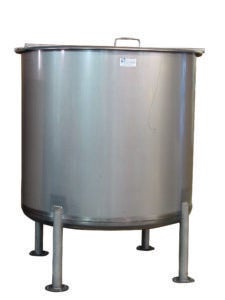
Custom tanks for mixing and blending applications
Custom tanks from this company can be utilized in virtually any mixing or blending application. These single-walled vessels used at atmospheric pressure are ideal for open-top mixing when paired with a portable or bridge-mounted mixer. Available in 304 or 316 stainless steel for corrosion resistance across a wide range of chemicals from alkaline to acidic, they have a standard mill 2B satin finish with welds ground and brushed. They are also available with an optional deluxe polished #4 finish, including welds that are ground smooth and polished for food production or when a finer surface finish is required to promote cleaning. In addition to the material, the geometry of the tank can be customized also. Cone-bottom tank designs provide the most complete drainage, with a center-located drain – popular for liquids that blend easily with other liquids or soluble solids with little risk of unmixed materials gathering beyond the reach of the impeller. Elliptical dished-bottom tanks are ideal when the impeller must effectively suspend settled materials and provide maximum batch turnover before draining. A sloped-bottom design directs the liquid flow to a horizontally mounted drain valve or spigot at the bottom of the tank wall. A formed lip around the perimeter of the top of the tank, pipe legs with mounting flanges, and mixer mounting brackets are also common features for open topped industrial tanks regardless of bottom configurations. Casters to facilitate movement of the tank within operational facilities are also available. — INDCO, New Albany, Ind.
www.INDCO.com,
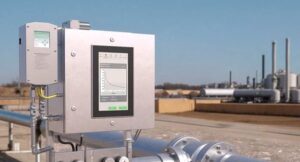
First-of-its-kind automated mining platform with enhanced safety and situational awareness
AutoMine® Aura is a first-of-its-kind underground mining automation platform that has been fully engineered for the future. This release represents the most significant evolution of AutoMine® since its introduction more than 20 years ago. AutoMine® Aura transforms every layer of the AutoMine® platform, delivering full situational awareness with zero blind spots, enabling higher utilization and consistent productivity in complex underground environments. The platform introduces a new navigation system with 3D perception — the most advanced and productive in the industry, says the company, which has been proven to move over 15% more material in one of the harshest underground mines globally. The platform integrates with existing networks and access control systems, eliminating the need for infrastructure changes. Evolving the underlying platform enables mines to fully leverage future technologies while continuing to support today’s operations

Source: Sandvik
AutoMine® has achieved almost nine million hours without a lost time injury (LTI) since its launch and safety remains foundational in its next incarnation. AutoMine® Aura builds on the proven safety principles and access control systems used today, while 3D perception and adaptive intelligence enhance these capabilities. This improves safety in increasingly dynamic environments. Operators also benefit through a wider, more intuitive interface that delivers full awareness of the mine environment. This enables remote supervision and control of multiple machines, reducing exposure to dust, noise, vibration and other on-site hazards. The enhanced operator experience strengthens both safety and productivity, while supporting workforce development by transitioning operators into more technology-focused roles. AutoMine® Aura launches initially on underground loaders, with the platform set to expand across additional product lines over time. — Sandvik AB, Sandviken, Sweden
www.sandvik.com
This electrical-explosion-protection device has an updated control unit
This company's 6000 Type X/Ex pxb purge-and-pressurization system, used for explosion protection in electrical enclosures, has been updated with a high-current electronic processing control unit (EPCU). The latest enhancement introduces an upgraded contact rating for the 6000 EPCU’s enclosure contacts. Previously rated at 8 A, the two enclosure contacts on the newest 6000 Series now support up to 12 A per contact. This increase allows higher-current applications to be supported directly, reducing or eliminating the need for additional high-current contacts or breakers housed in explosion-proof enclosures and offering a significant project cost savings. The increased capacity allows the control unit to switch enclosure power directly within the system for a broader range of applications. As a result, higher-load applications, such as gas-analyzer systems or enclosures with integrated heating, can often be implemented without the need for additional Ex-rated contactors or breakers, resulting in cost savings. This supplement to the popular 6000 Series purge offering resulted from customer and sales feedback. Designed as the complete solution for Division 1 or Zone 1/21 hazardous operations to non-hazardous areas, the stainless steel unit contains the controller, pneumatics, electrical I/O, and programming interface in one sleek, fully automatic package. — Pepperl+Fuchs, Mannheim, Germany
www.pepperl-fuchs.com
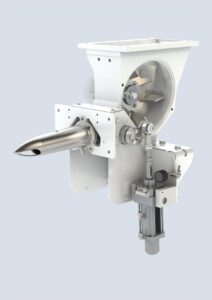
Patented dosing unit now standard on this solids-material packing machine
This company's patented ROTO-LOCK® dosing unit is now standard on new rotary packing machines in the ROTO-PACKER RV series. The dosing system reduces product loss during the packing process, increasing production output. The ROTO-LOCK®, a specialized shaft-sealed dosing unit, fully closes the gate once a valve bag is packed with material. A rubber interface between the slide gates ensures no dust escapes while the machine rotates, and a new bag is placed on the filling spout. Once the new bag is in place, the process repeats. Because of the rubber interface and dust reduction, the ROTO-LOCK® undergoes less wear and tear than traditional slide gate dosing units. As a result, it cuts back on spare part costs and extends service intervals. When paired with the optional ROTO-FEED® airless rotary feeder, the ROTO-PACKER® system provides a cleaner packing process that reduces downtime and enhances efficiency. The ROTO-PACKER® fills more bags in less time with the capacity to run 24 hours a day, seven days a week. Cement, building materials and chemical operations can customize their ROTO-PACKER® for their unique product to get the most out of their machine. The ROTO-PACKER® RVT features up to 16 filling spouts to pack cement, building materials and chemical products into valve bags. The machine can fill between 1,000 and 6,000 bags per hour (17 to 100 bags per minute). In addition to the ROTO-LOCK®, it comes standard with an intelligent ventilation system for an optimal filling process, a Siemens TIA Portal control system, intelligent illumination to indicate operating status and MEC 4.0 weighing electronics specially developed for the needs in the bagging industry. — Haver & Boecker, Oelde, Germany
www.haverboecker.com
This tool allows users to build simulations with natural-language instructions
This company has announced that a new AI agent is integrated into its universal atomistic simulator, and that is allows researchers to build and run simulations using natural-language instructions. The release includes a public Skills library on GitHub, available immediately, and an upcoming installer that will run Anthropic's (San Francisco, Calif.; www.anthropic.com) Claude Code directly inside the company's terminal environment. Atomistic simulation has long required a combination of computational chemistry knowledge, programming fluency, and environment expertise, a barrier that has kept the technology in the hands of specialists even as the rest of materials R&D has become more cross-functional. This release targets the last remaining barrier: the scripting layer that sits between a researcher's question and a working simulation. By embedding Claude Code inside the technology and giving it access to a domain-specific Skills library, this company is connecting general-purpose agent capability to the specialized procedures and application programming interfaces (APIs) that simulation work actually requires. Running the agent in-context means researchers can describe what they want to simulate in plain language, generate or edit the underlying scripts, run the calculation, and interpret outputs, all without leaving the workflow. For experimental researchers who lack programming fluency, this opens up simulation as a practical tool. For computational specialists, it removes the repetitive scripting work that typically sits between hypothesis and result. — Matlantis, Tokyo, Japan
www.matlantis.com/en)