New Products & Services
July 2026
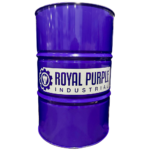
Source: Royal Purple Industrial
The recently expanded BioMax line of environmentally acceptable lubricants for demanding marine and industrial applications addresses the needs of users in demanding industrial sectors that require strong lubricant performance, environmental compliance and application-specific technical support in one solution. BioMax lubricants are designed for operations that need dependable equipment protection while meeting environmental requirements in sensitive applications. Products across the line are verified to meet applicable environmental standards while delivering long-lasting protection in real-world service. The product line helps operators avoid the performance tradeoff often associated with EALs by delivering dependable lubrication, equipment protection, and regulatory compliance. From hydraulic and gear oils to greases and stern tube oils, BioMax covers critical lubrication points with products developed to perform in harsh operating conditions. The new BioMax line includes three product families: Futerra®, EnviroLogic® and a third yet to be named. Together, these products give operators greater flexibility to match lubricant selection to operating demands, application requirements and environmental priorities across industries. — Royal Purple Industrial, an affiliate of Lubrication Engineers, Inc., Wichita, Kan.
Flir Si2a PD is a fixed-mount acoustic-imaging camera designed to deliver continuous, always-on monitoring of partial discharge (PD) in medium to high-voltage utility and industrial environments. Building on the advanced performance of the handheld Si-Series acoustic cameras, the new Si2a PD introduces the company’s first-ever permanently installed acoustic solution that continuously monitors critical assets such as substations, switchgear, transformers, and gas-insulated systems (GIS). By capturing intermittent and transient events that traditional inspections often miss, the Si2a PD helps utilities detect faults earlier and take action before they lead to failures or outages. The Si2a PD is designed to support proactive maintenance strategies by providing uninterrupted monitoring of electrical anomalies, including partial discharge, corona, and arcing, and ensuring that no critical event goes undetected, even during peak load conditions or outside scheduled inspections.
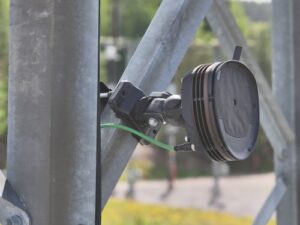
Source: Flir
Key Benefits
• Continuous 24/7 monitoring to capture intermittent faults missed by periodic inspections
• AI-enhanced analysis for accurate results with minimal operator intervention
• Built for harsh conditions, with IP66-rated protection for outdoor substations and industrial sites
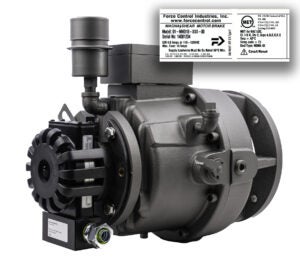
Source: Force Control Industries
Magnashear hazardous-duty (MHD) motor brakes are now CSA-approved for hazardous-duty applications in North America. Featuring Oil Shear Technology, MHD brakes are available in torque capacities ranging from 3 to 1250 lb-ft and deliver exceptionally long service life with virtually no maintenance and zero adjustment. Designed for fast installation, Magnashear brakes feature a "Quick Mount" design for direct mounting to standard NEMA 56C through 449TC motors. Fully enclosed and sealed against dirt, moisture, and other contaminants, they are well suited for severe-duty and washdown environments. Typical applications include cranes, hoists, winches, ship and railcar loading and unloading conveyors, tipper cars, and other equipment requiring frequent stopping or accurate positioning. Unlike conventional dry brakes, Magnashear brakes transmit torque through a thin film of automatic transmission fluid between the friction discs and drive plates. As the brake engages, the fluid molecules shear, smoothly transmitting torque while bringing rotating surfaces to synchronous speed. Because torque is transmitted through the fluid rather than direct frictional contact, wear on the friction surfaces is virtually eliminated, resulting in dramatically longer service life without the need for periodic air-gap adjustments. A patented fluid recirculation system continuously removes heat from the friction stack, preventing the heat buildup that commonly shortens the service life of conventional dry brakes. The same fluid also lubricates all internal components, reducing wear and extending the life of bearings, seals, and friction elements. In outdoor applications, enclosed dry-friction brakes are susceptible to condensation buildup that can lead to internal corrosion and brake lockup, a problem eliminated by oil shear technology.
Magnashear Hazardous Duty brakes are available with spring-set torque ratings from 3 to 1,250 lb-ft and can be selected independently of motor horsepower or frame size for optimum braking performance. Standard models are available for direct mounting on NEMA 56C through 449TC motor frames, but metric and custom mounting provisions are available upon request. While Magnashearbrakes are available in 115, 230 or 460VAC, MHD models are only available in 115VAC. MHD models can be ordered with options including an encoder stub shaft and manual hand release. Factory-assembled brake motors are also available and configured to application requirements. — Force Control Industries, Fairfield, Ohio
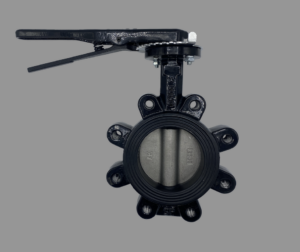
Source: Aalberts IPS
New Apollo LD151 resilient seated butterfly valves are engineered to meet the increasing demands of industrial, commercial, mechanical and data center applications. The LD151 series offers a 250 psi pressure rating up to 24 in., expanding its suitability for high pressure HVAC installations, commercial mechanical rooms, industrial processing systems, chilled water systems, cooling tower loops, and other mission critical cooling applications. This enhanced pressure capability helps support modern high performance system designs while giving specifiers and operators greater confidence in demanding environments. At the core of the LD151 is a vulcanized seat design that bonds the seat directly to the valve body. This construction improves sealing integrity, strengthens performance in bidirectional dead end service, and increases durability and lifecycle reliability by reducing the risk of seat movement, leakage, and premature wear. For contractors and facility managers, these design improvements can translate into fewer maintenance concerns and more dependable long term operation. The LD151 also features a streamlined SKU structure compared with the higher volume LD141 assortment, making the product easier to quote, stock, and manage across projects and inventories. By reducing product complexity, the LD151 helps distributors, contractors, and engineers improve quoting efficiency, simplify submittal preparation, and support more consistent planning and supply chain management. In addition, the LD151 meets or exceeds key industry standards and certifications, including MSS SP 67, API 609, ANSI FCI 70 2 Class VI, AWWA C504 and C550, NSF ANSI 61 and 372 and ISO 5211 top plate actuator interface requirements. This broad compliance supports use across potable water systems, commercial HVAC and industrial process environments while maintaining compatibility with automated actuation systems. — Aalberts IPS, Pageland, S.C.
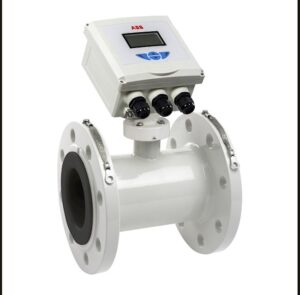
Source: ABB
The ProcessMaster FER620 flowmeter features a rugged, fully welded and hermetically sealed sensor that ensures long‑term stability and performance in the most challenging environments across pumping stations, water abstraction, water treatment, water distribution and irrigation. The ProcessMaster FER620 sensor design supports direct burial of the flowmeter without the need for a chamber. The sensor is protected against continuous submersion in water with an IP68 rating. Thanks to a reduced bore, the sensor can measure from very low velocities to up to 10 m/s, giving it a high turndown range. This ensures highly accurate measurement in low-flow conditions such as night flowrates. With a 0xD/0xD installation design, it requires zero straight pipe clearance either upstream or downstream of the flowmeter, a perfect fit when space is a premium. The ProcessMaster flowmeters have a modular design, providing sustainable and futureproof devices that reduce waste going to landfill. Modularity enables customers to adapt to changing technological landscapes and operational requirements without significant overhauls. This lowers total cost of ownership and enhances the lifecycle of products. IoT connectivity is embedded across all ProcessMaster models. Users have a choice of high-speed communication options for plant-based or remote in-the-field metering applications, providing greater visibility and control of connected flowmeter assets with enhanced data analytics and process control opportunities. — ABB, Inc., Zurich, Switzerland
The Therma Tech product portfolio has been expanded with eight new thermally conductive grades that leverage natural graphite to deliver high thermal conductivity and cost efficiency for applications such as LED lighting, heat sinks and heat exchange systems. Natural graphite offers a lower product carbon footprint and typically requires less energy to produce than synthetic graphite, while still maintaining thermal conductivity performance. This expansion addresses the growing demand for efficient heat management across multiple end markets while including select grades with post-industrial recycled (PIR) content options to support sustainability goals.
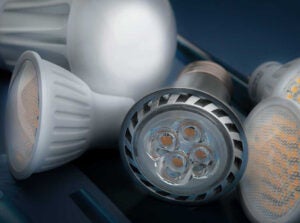
Source: Avient
As electrification accelerates across transportation, industrial equipment, appliance, and electronics sectors, engineers face mounting pressure to manage heat more efficiently, more cost-effectively, and with less weight. Metal components, such as aluminum heat sinks and die-cast enclosures, remain a standard approach — but they carry inherent limitations: added mass, susceptibility to corrosion, complex manufacturing processes, and constrained design freedom. For original equipment manufacturers (OEMs) and product designers pursuing lightweighting strategies, metal-to-plastic conversion in thermal-management applications is an active engineering priority. The expanded Therma-Tech portfolio features several key attributes to help address the thermal management challenges facing engineers across transportation, appliance, electronics, and healthcare end markets. High thermal conductivity is enabled by natural graphite-based technology, delivering performance competitive with more costly specialty filler systems The portfolio achieves improved cost efficiency compared to existing high-performance thermally conductive technologies — making polymer-based thermal management viable for mid-tier production volumes and cost-sensitive applications Thermal performance and design flexibility is maintained from existing Therma-Tech grades, enabling drop-in evaluation against current metal or thermally conductive polymer specifications Furthermore, the grades are compatible with standard injection molding processes, limiting the need for specialized manufacturing equipment. — Avient Corp., Cleveland, Ohio
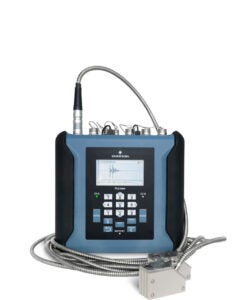
Source: Emerson
The new Flexim™ FLUXUS 631 series of portable non-intrusive clamp-on ultrasonic flowmeters delivers flexible, precise and reliable measurement of liquids, gases and steam in a single platform across a wide range of demanding industrial and municipal applications without interrupting operations. This enables users in industries including oil and gas, chemical, power, food and beverage, water and wastewater, metals and mining, and life sciences to increase maintenance and energy efficiency and improve plant performance. The 631 series provides highly accurate flow measurements when permanent meters are unavailable. By eliminating measurement blind spots and avoiding unplanned downtime, this helps maintain operational continuity. Users can also independently verify existing flow installations and assess the real-world performance of pumps, compressors and other equipment under actual operating conditions. This supports faster, better-informed decisions that improve operational outcomes. By making it easy to deploy temporary, on-demand measurements, the 631 series also strengthens condition monitoring, leak detection and energy efficiency analysis – driving true plant-wide transparency. The 631 series delivers a consistent and intuitive user experience, with quick setup – a liquid measurement can be running in under five minutes. A refined human-machine interface includes a large integrated display with installation graphics, live values and trend visualization, simplifying setup and operation in the field. A high-capacity lithium-ion battery enables more than 25 hours of autonomous operation, while a low-power mode extends operating time up to 80 days for long-term monitoring applications. The 631 series has a robust IP65- and IP67-rated enclosure for demanding environments and incorporates a range of features that allow it to maintain its performance in challenging applications. Advanced compensation mechanisms enable accurate measurements in disturbed flow, even in constrained installation conditions with limited straight pipe runs. Various models are available to measure the flow of liquids, gases, low- and high-temperature steam, and thermal energy. Different measuring principles combined with advanced electronics enable precise repeatable measurement across diverse media types and demanding applications, including low-pressure gases, liquids with entrained gas or solid content, high viscosity liquids, saturated steam and high temperature steam. An integrated Dynamic Gas Meter feature ensures reliable flow measurement despite variations in gas composition, while also allowing determination of gas density and concentration without the need for a chromatograph. The 631 series offers dual measurement channels and ultra-fast update rates of up to 20 milliseconds. Connectivity options such as Modbus® RTU, digital and current outputs, and USB interfaces for data transfer and configuration ensure seamless integration into existing workflows. — Emerson, St. Louis, Mo.
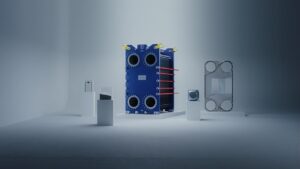
Source: Alfa Laval
TS45 is this company’s largest semi-welded plate heat exchanger to date, engineered to secure competitiveness and resilience by meeting growing demands for high-capacity, high-pressure heat transfer across energy transition, industrial, and energy efficiency applications. Developed to support industries facing rising energy demand and high efficiency requirements, TS45 expands the company's semi welded portfolio into duties traditionally served by shell-and-tube technologies. The new TS45 enables customers to scale up heat transfer performance while maintaining a compact footprint, high energy efficiency, and full serviceability. The TS45 is designed for demanding applications such as industrial heat pumps, energy storage, carbon capture, sulfuric acid production, and many more, where robustness, reliability, and efficiency are critical. The TS45 combines semi-welded cassette technology with an extra large plate format, offering high design pressure, significantly increased capacity and reduced installation footprint, helping customers lower both operating costs and boost efficiency. — Alfa Laval AB, Lund, Sweden

Source: TotalEnergies Corbion
Luminy FOAM 50F is a high-melt-strength polylactic acid (PLA) grade designed for extrusion foamed-packaging applications. Developed for trays used in fresh food products, like meat and fish, and food-service packaging such as clamshells and bowls, the material delivers the performance of conventional extruded polystyrene (XPS) while providing a lower-carbon, circular alternative. As packaging producers face increasing regulatory pressure to phase out polystyrene in food applications and with restrictions expanding globally, the market is actively seeking alternatives that combine environmental benefits with industrial scalability. Luminy® FOAM 50F addresses this need with a bio-based, industrially compostable material that enables a practical transition without disrupting established production processes. Luminy® FOAM 50F is engineered as a drop-in replacement for PS, allowing converters to run it on existing XPS extrusion lines with comparable throughput and minimal modification. With polystyrene bans accelerating, this is one of the first solutions positioned as a true industrial-scale replacement, says the company, also reporting that sugarcane-based PLA delivers at least a 70% reduction in carbon footprint compared to XPS foam parts. The material combines performance and sustainability characteristics that have historically been difficult to achieve in XPLA foam packaging. It offers comparable density and functional properties to XPS while maintaining processing efficiency on standard equipment. At the same time, it is bio-based, industrially compostable, recyclable, and free from styrene, PFAS, and persistent microplastics. Luminy® FOAM 50F’s high melt strength enables stable foam production without the need for extra additives, chain extenders, or reactive processing. This allows manufacturers to create low-density foam structures with uniform cell morphology, closely matching the performance required for demanding applications such as fresh protein packaging. Luminy® FOAM 50F is FDA and Korean Food Contact approved and can be used in countries following the FDA or Korean regulation. For other countries it can be used for non-food applications. — TotalEnergies Corbion b.v., Gorinchem, The Netherlands
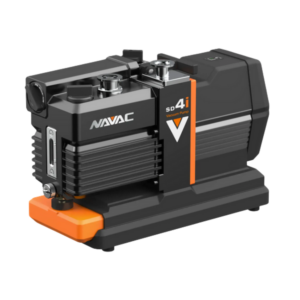
New ShieldDrive i Series (SDi) rotary-vane vacuum pumps feature two new maintenance-focused enhancements: a Quick-Change Oil Mist Filter and an Easy Oil Change system. Together, these features are intended to improve uptime, simplify service and support a cleaner operating environment. Building upon the performance and leak-free reliability of the original ShieldDrive platform, the new SDi Series continues to deliver robust vacuum performance, corrosion resistance and intelligent operation. The pumps utilize this company's magnetic-coupling sealing design to help eliminate oil migration and ensure leak-free operation in critical vacuum environments. The newly integrated Quick-Change Oil Mist Filter is designed to minimize oil vapor release into the work environment while streamlining routine maintenance procedures. In addition, the SDi Series now features a detachable oil reservoir system that enables fast and simplified oil changes, reducing downtime and improving long-term serviceability.
Source: NAVAC
In addition to the new maintenance features, the SDi Series retains several advanced technologies from the original ShieldDrive platform, including Eco Mode variable-frequency motor operation for optimized energy efficiency and noise reduction, anti-suck back protection, adjustable gas ballast functionality, and corrosion-resistant construction for harsh operating environments. The SDi Series is available in multiple models, including the SD4i, SD8i, SD12i, and SD16i configurations, providing flexibility for a wide range of vacuum requirements. — NAVAC Vacuum, Lyndhurst, N.J.
This company's AI-powered chemical intelligence platform recently launched its Customer Concierge capability. Customer Concierge is an AI technical advisor designed to be embedded on a chemical company's website to hold expert-level conversations with buyers — understanding their application problems, reasoning across a portfolio of thousands of products and even handing sales — resulting in a qualified, context-rich lead the moment intent appears. Customer Concierge addresses a gap that has quietly become an costly issue on a chemical industry website: buyers arrive with real problems, but the tools waiting for them — product finders, attribute filters, keyword search and a contact form — were built to browse catalogues, not to solve problems. Increasingly, those buyers take their questions to general-purpose AI tools instead, where a supplier's own products get described without their knowledge, without their narrative and without generating any useful leads. Chemical companies have spent the past decade investing heavily tools that organize information well, but did little to make expertise accessible. The reason, according to this company, is that a trustworthy answer in this domain is a reasoning problem, not a search problem. Attaching a chatbot onto a document repository gives a system access to information but not judgment — it cannot tell which facts are binding, which sources to trust when they conflict, or whether the evidence supports a recommendation at all.
Real-world use case. Adhesives leader Bostik originally approached this company seeking out a chatbot. What eventually went live on Bostik's Born2Bond product line was actually an AI-powered technical advisor that understands the portfolio, the application segments and the questions buyers are actually asking. Bostik's results reported a sixfold increase in sample requests — not from additional web traffic, but because more of the visitors already arriving found a reason to engage. Furthermore, technical questions that once took two or more days to diagnose resolved in as little as thirty minutes at a comparable adhesives customer, opening follow-on opportunities that would not otherwise have surfaced.

Source: Kimia
Customer Concierge is positioned as more than website software because it captures buyer intent in its raw form via the application, the constraints, the competitor product being replaced and the regulatory boundary being navigated. Sales teams receive leads already assessed for fit, complete with application need, product match and process conditions, so qualification starts from context instead of from scratch. Marketing and product teams gain aggregated voice-of-customer at a scale and specificity no survey can match — where the portfolio has gaps, which competitor products keep surfacing as replacement targets, and which regulatory topics are trending before they appear in order data. — Kimia, Sydney, Australia
PipePatrol NEO is a new comprehensive solution for leak detection, theft detection and pipeline monitoring. At the core of the system is NEPM (Neural Engine Pipeline Monitoring), this company's next-generation technology for continuous internal pipeline monitoring. The system combines artificial intelligence with proven physical models, providing an effective way to manage the complex risks of modern pipelines – from corrosion and equipment failure to third-party interference, illegal tapping, and environmental impacts. It is designed for a wide range of applications, including oil and gas pipelines, chemical processes, water and wastewater networks, as well as district heating and hydrogen infrastructure.

Source: Krohne
PipePatrol NEO applies NEPM, an AI-enhanced multi-method approach that integrates advanced hydraulic modelling, statistical pattern recognition and real-time measurements of flow, pressure and temperature. By continuously comparing a “virtual pipeline” model with actual operating data, the system detects deviations and analyses them using AI-based pattern recognition. It continuously learns from operational data, adapts to changing conditions and delivers precise, reliable pipeline information in real time. This enables faster detection, highly accurate leak localization and minimal false alarms – even under complex and transient operating conditions. Thanks to its modular design, PipePatrol NEO can be precisely tailored to the requirements of pipeline operators – from highly sensitive leak detection and real-time theft identification to rupture detection, tightness testing, stress monitoring, and predictive modelling. The system can be retrofitted to existing pipelines and seamlessly integrated into SCADA systems In addition to enhancing safety and operational efficiency, PipePatrol NEO also makes a significant contribution to sustainability: early leak detection helps to prevent environmental pollution, reduce the loss of valuable resources and unlock energy saving potential. — KROHNE, Inc., Beverly, Mass.
Source: BioFire Defense
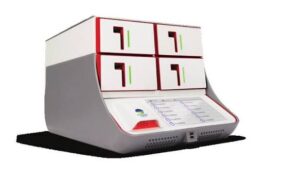
For the first time, the WATCHFIRE™ Solution multiplex PCR (Polymerase Chain Reaction) test for wastewater monitoring is now available in the U.S. WATCHFIRE™ offers two panel tests that screen for more than 40 pathogens that cause respiratory and gastrointestinal illnesses with easy near-source testing offering multiple PCR results in about an hour. Historically, municipalities used wastewater and environmental surveillance to estimate ongoing population health status by measuring the quantities of pathogens. It can also be used during mass-gathering events and at healthcare facilities as a key tool to inform public health authorities about potential disease outbreaks and monitor trends over time. WATCHFIRE™ includes two separate panels, the WATCHFIRE™ RESPIRATORY PANEL, which tests for respiratory tract infections including SARS-CoV-2, Respiratory Syncytial Virus (RSV) and Influenza. And the WATCHFIRE™ GASTROINTESTINAL PANEL, which tests for E. coli, Salmonella, Norovirus, and parasites including Giardia lamblia. These panels can be run on the benchtop BIOFIRE® FILMARRAY® TORCH system and data is aggregated on the cloud-based FIREWORKS™ platform. — BioFire Defense, a BIOMÉRIEUX company, Salt Lake City, Utah
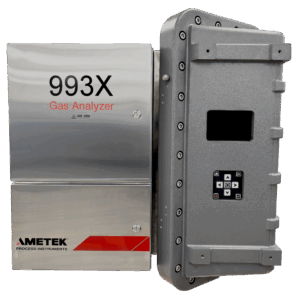
This company has expanded its 993X series of gas analyzers – including both 993X and 9933 models - with new explosion proof (Ex d) enclosures certified for ATEX and IECEx Zone 1 hazardous locations. The new design enables reliable analyzer installation in applications where purge gas is unavailable or impractical, addressing a common challenge in remote and utility-limited facilities. The explosion-proof 993X enclosure is rated IP66 and NEMA 4X, allowing outdoor installation and operation in minimally temperature-controlled environments. By eliminating the need for a continuous inert purge gas supply, the design helps reduce installation complexity, operating costs, and overall system infrastructure requirements.
Source: Ametek Process Instruments
The 993X series primarily uses ultraviolet (UV) spectroscopy to provide continuous measurement of sulfur compounds and other key components in natural gas and biomethane streams, including hydrogen sulfide, carbonyl sulfide, and methyl mercaptan. The analyzers are also widely used in sulfur recovery and removal processes to measure sulfur-containing species such as sulfur dioxide and carbon disulfide, supporting process control, emissions compliance, and product quality. Other technologies can also be integrated to measure the concentrations of hydrogen and carbon dioxide in these end user applications, when required. With the addition of explosion proof certifications, the 993X series offers greater flexibility for operators designing analyzer shelters and hazardous area installations across oil and gas production, processing and renewable gas applications. — Ametek Process Instruments, Pittsburgh, Pa.
Source: Tetra Pak
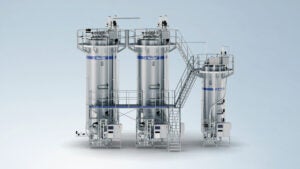
This company has launched its first industrial bioreactor, the Bioreactor RF, a fermentation vessel designed to maintain stable conditions while providing operators with actionable process insight. From pilot validation and first industrial runs through to full-scale production, the system delivers repeatable performance without increasing operational complexity. Bioreactor RF is pre-assembled and factory-tested, enabling faster installation and commissioning, while reducing disruption to production planning. Its integrated platform design removes the need for separate support structures, lowering installation costs and complexity. These features can help reduce investment costs by up to 8% compared with conventional industrial bioreactors. At the core of Bioreactor RF is a patented magnetic agitation system that removes the need for mechanical seals, a common source of contamination risk and process instability in conventional designs. Unlike traditional magnetic agitators, which can struggle to maintain power as vessel size increases, this company's patented system is designed to maintain power and oxygen transfer across the full size range. This helps maintain stable process conditions and reduce the risk of batch loss. High levels of automation further simplify operation. Self-adjusting control functions help stabilise conditions as processes evolve, reducing the need for manual intervention. Combined with predefined operating strategies and integrated data monitoring, this enables operators to run processes more efficiently and with greater visibility. Overall, the combination of simplified operation, reduced contamination risk and improved process stability can help producers lower operational costs by up to 12%4. Available in sizes from 10 to 50,000 L, all Bioreactor RF units use the same design platform, control logic and operating philosophy. This consistency simplifies operator training and day-to-day operation across sites and production scales. The modular configuration also allows producers to adapt alarm thresholds, impellers and configurations as process needs evolve, without adding unnecessary system complexity. — Tetra Pak International, S.A., Lausanne, Switzerland
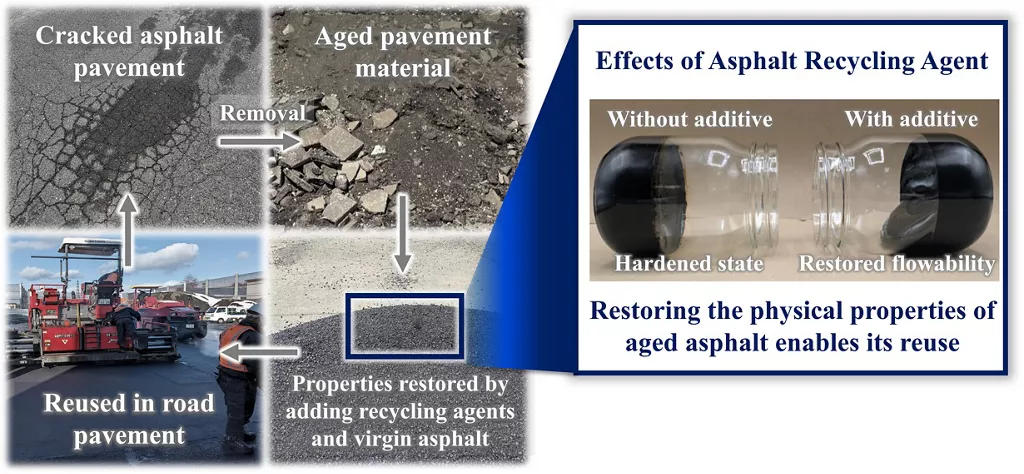
DANOX RAP-400 is a new asphalt recycling agent designed to to rejuvenate reclaimed asphalt pavement (RAP) used in perpetually recycled pavement materials. DANOX RAP-400 can also improve the durability of asphalt pavement containing high levels of RAP, while reducing the environmental impact using plant-derived raw materials, says the manufacturer. Road asphalt pavements deteriorate over time, necessitating periodic repairs. Every year, approximately 20 million tons of RAP is generated, much of which is recycled into new pavement. When reusing RAP, asphalt recycling agents and virgin asphalt are added to restore the properties of the aged asphalt.
Source: Kao
However, repeated recycling compounds the acceleration and aging of the pavement materials. Even with asphalt recycling agents, restoring the asphalt to its original properties becomes increasingly difficult. In addition, a growing demand for resource circularity is driving the increased use of RAP in pavements, creating a need for new recycling technologies capable of effectively restoring aged pavement materials over the life of the pavement. As asphalt in RAP ages due to weathering and in particular UV exposure over time, it causes the components to become harder and more brittle. This makes it increasingly difficult to restore the asphalt to properties close to those of the original material, posing challenges for repeated recycling. DANOX RAP-400 disassociates and disperses these aggregated components, improving the workability of recycled asphalt materials and enabling continued reuse of RAP. The use of aged RAP can increase the risk of cracking and potholes, posing challenges for long-term pavement durability. DANOX RAP-400 has been shown to improve both water resistance and crack resistance. Asphalt pavement consists of asphalt and aggregates such as stone and sand, and DANOX RAP-400 enhances adhesion between these components, helping to suppress cracking by reducing water penetration. Many existing asphalt recycling agents use petroleum-derived materials. However, given demand for low-carbon materials in the road sector, this product uses plant-derived material as its primary raw material. RAP is currently reused by mixing it with virgin asphalt. Because DANOX RAP-400 is highly effective in restoring aged RAP, it enables a higher RAP content in pavement mixtures. Kao will continue advancing technologies aimed at enabling pavement made with 100% recycled asphalt materials. DANOX RAP-400 has already been adopted by several Japanese construction companies. — Kao Corp., Tokyo, Japan
Source: Waters Corp.
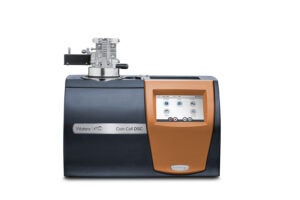
The Coin Cell Differential Scanning Calorimeter (DSC), designed to transform battery safety testing, enables direct testing of fully assembled coin cells, eliminating time-intensive preparation steps while delivering faster, more descriptive safety and performance insights. The Coin Cell DSC is said to be the only commercially available DSC that provides multidimensional data capture and enables researchers to collect whole-cell thermal data while simultaneously measuring evolved gas and electrochemical performance. By incorporating voltage monitoring and charge/discharge capability, researchers can directly correlate thermal and electrochemical behavior enabling earlier insights into thermal runaway and battery failure. It can also be coupled with MS, Fourier Transform Infrared Spectroscopy (FTIR), or Gas Chromatography-Mass Spectrometry (GC-MS) to enable direct analysis of off-gas composition. The Coin Cell DSC introduces a unique capsule design that eliminates the highly time-consuming need for cell teardown, reducing the average sample preparation time by more than 90%. This approach preserves sample integrity while significantly accelerating data generation. The new system redefines thermal analysis by integrating advanced temperature performance, efficient workflows, and multidimensional data capture into a single platform. With an industry-leading –80 °C to 600 °C range, the Coin Cell DSC enables comprehensive analysis of low- and high-temperature behavior, expanding future applications in development and QA/QC. Traditional battery safety testing methods, such as accelerating rate calorimetry (ARC), are deployed during late-stage research and development and require large cell formats, specialized facilities, and long experiment times. In contrast, the Coin Cell DSC enables direct evaluation of intact coin cells earlier and faster, streamlining development and reducing risk. — Waters Corp., Milford, Mass.
Intelligence Center X is new industrial AI orchestration software designed to help organizations turn industrial AI from isolated experimentation into scalable, real-world business impact through a hybrid workforce where people and AI agents work together with shared context, workflows and lifecycle intelligence. By connecting data, models and workflows on a single governed foundation, Intelligence Center X enables companies to deploy AI-driven applications and agents faster, with full traceability and control. Intelligence Center X combines the Mendix™ low-code platform with Siemens' Graph Studio and AI Studio software from the Rapidminer® portfolio to create the enterprise context, business-specific lifecycle intelligence, and orchestrated agents and intelligent applications businesses needed to turn AI ambition into real value gains. Across industries, companies have invested in AI but are struggling to scale beyond pilots because data is fragmented, governance is inconsistent, and AI insight does not connect to real workflows. Intelligence Center X is designed to close that gap as the production-ready system that orchestrates people and AI agents together, on top of what enterprises already own, with full auditability and policy controls. Intelligence Center X deploys in three patterns: layered on Siemens AI products to amplify lifecycle intelligence with out-of-the-box industrial ontologies; as a standalone platform for asset-intensive organizations running other OT vendors; or as a pure agentic enterprise platform for financial services, insurance, healthcare, government, and retail organizations that need production-grade AI execution with full auditability.

Source: Siemens
Use Case: Flat-Glass Manufacturing
Vivix Vidros Planos, Brazil's leading flat glass manufacturer, deployed a portfolio of nearly 30 Mendix applications connecting OT and IT data across SAP S/4HANA, Siemens Industrial Edge, and Snowflake. Results include an 85 percent reduction in production issue resolution time, 6,000 hours of manual work recaptured in a single year, and customer complaint resolution compressed from five days to under one. Vivix's AI-powered Virtual Engineer, built on Intelligence Center X with Amazon Bedrock and Claude from Anthropic, is now advancing toward a full digital twin strategy using the multi-agent capabilities in Intelligence Center X.
"With this system, we are ready for the agentic future, enabling our people and AI to work together in a more connected and productive way," said Aristóteles Terceiro Neto, industrial transformation manager, Vivix Vidros Planos. "We are already seeing significant enterprise value, including up to 4x faster resolution times in quality-related investigations, as well as measurable improvements in how we support decision-making on the shop floor."
"Axiz is among the first enterprises globally to deploy Intelligence Center X as a full agentic enterprise system. Integrating the AI/ML modeling capabilities, application development and process orchestration for an end-to-end pricing use case, Axiz achieved a 95 percent reduction in manual effort and 100 percent accuracy in data ingestion," said Andrew Moodley, chief cloud, digital and marketing officer, Axiz. "Axiz is the first customer globally to integrate Intelligence Center X for our pricing use case. AI/ML development acts as the brain, while the application development and orchestration capabilities act as the body." — Siemens AG, Munich, Germany
This company commercially launched Fractal Graphene Paste, a highly concentrated, pre-dispersed aqueous graphene product designed to simplify the integration of graphene into industrial formulations and accelerate commercialization across multiple end markets. Fractal Graphene Paste deliver this company's high-purity Fractal Graphene™ in a stable, ready-to-use dispersion, eliminating the need for customers to overcome a significant technical challenge associated with graphene adoption: achieving effective dispersion. Graphene has long been recognized for its potential to improve material performance, but commercial implementation has often been hindered by processing complexity. Graphene powders are naturally hydrophobic and tend to agglomerate when introduced into water-based systems, requiring specialized equipment, high-energy mixing, and extensive formulation work. Fractal Graphene Paste addresses these challenges by providing a fully dispersed, stabilized graphene concentrate that can be incorporated “off the shelf” using standard mixing equipment. Fractal Graphene Paste from HydroGraph contains 20% graphene by weight, while comparable commercial graphene dispersions are typically available at concentrations of only 1% to 5% graphene. The company's proprietary stabilization technology, combined with its ultrafine graphene morphology (D50 particle size of approximately 35 nm), maintains long-term dispersion stability and prevents re-agglomeration during storage and processing, with a greater than two-year shelf life. Fractal Graphene Paste is specifically designed for water-based systems and targets several high-growth markets, including:
• Concrete and construction materials
• Protective and functional coatings
• Thermal management applications, including liquid cooling systems and thermal interface materials used in data centers and AI infrastructure
• Elastomers and rubber compounds. — Hydrograph Clean Power Inc., Austin, Tex.
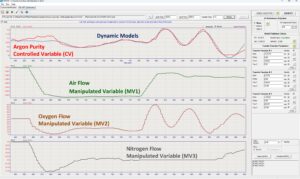
Optimized control-system architecture comes with many production benefits. One of the tools for doing this is to perform a series of step tests. In many cases, step tests are not possible, or are time-consuming or plan-intrusive. PITOPS is a specialized engineering software platform for stepless multivariable closed-loop system identification, detection and isolation of unmeasured process disturbances, multi-objective proportional integral derivative (PID) controller tuning, PLC/DCS-based Advanced Process Control (APC) design and optimization, and Model Predictive Controller (MPC) model maintenance. Rather than relying on older tuning rules or guesswork, PITOPS allows all of the above capabilities without the need for plant step-test data. PITOPS supports a wide range of capabilities that traditional APC-optimization software tools do not. It is not sensitive to initial unstable conditions, outliers, noise or drifts. — Pi Control Solutions LLC, Houston, Tex.
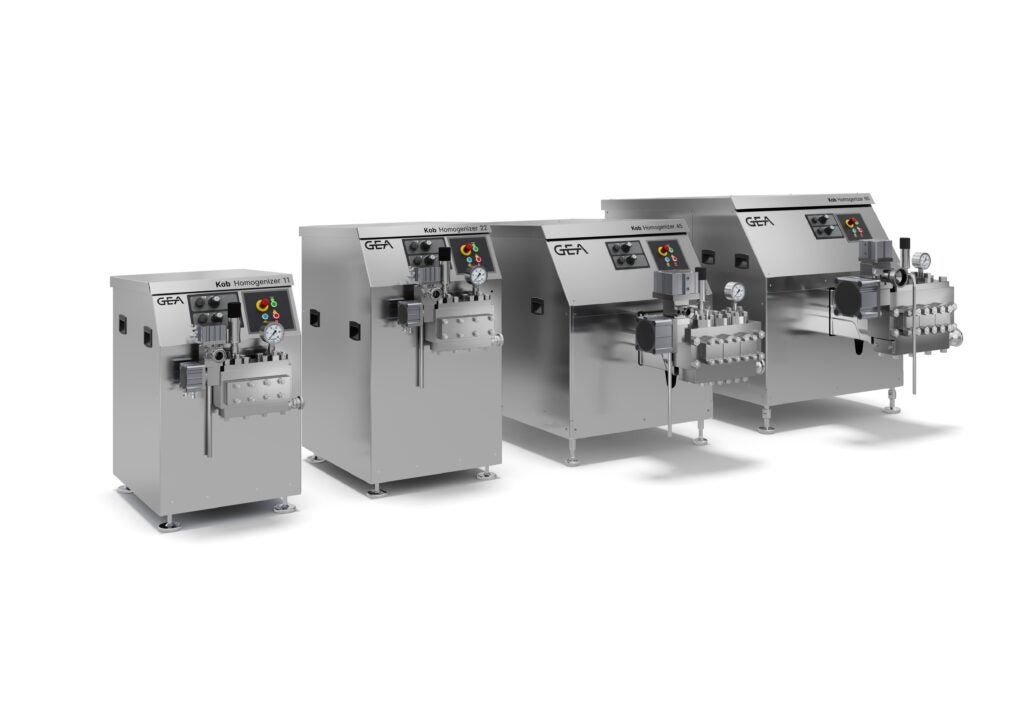
The KOB series is a new cost-efficient line of homogenizers capable of reaching pressures up to 400 bars. The series is designed to give small and medium production plants economic access to industrial-grade performance. With KOB models 11, 22, 45 and 90 available, the homogenizers offer a compact, hygienic and flexible solution for a broad range of food, beverage, chemical and personal care applications, including homogenizing and feeding spray dryers. Optimized and compact mechanical construction, lower noise levels, simplified maintenance access and efficient power use create a strong value proposition for existing plants and new lines alike. At the core of the homogenizers is a robust high‑pressure design, ensuring stable and efficient homogenization for demanding, moderately viscous and abrasive applications. To meet the requirements of diverse applications, higher‑efficiency homogenizing valve technology and more wear‑resistant materials are available as options. The base configuration uses competitively priced wear-resistant parts, providing an economical choice for standard, non-abrasive products, while optional high-wear-resistant materials extend service life in more demanding, abrasive formulations.
Source: GEA
The KOB homogenizer series is designed for processors who need adequate and fit-for-purpose homogenization performance within a limited footprint. Its compact architecture is enabled by an optimized crankcase and gear-reducer design that delivers high mechanical efficiency while generating minimal heat, noise and vibration. As the drive compartment requires neither oil cooling nor forced-air ventilation, the machines rely on fewer auxiliary components and deliver lower installation, maintenance, energy and utility demands. A newly engineered frame and cladding, developed using advanced structural analysis, further contributes to low vibration levels and long-term durability. The use of poppet-type pumping valves enhances flow characteristics and feeding stability, significantly reducing noise and cavitation while improving volumetric efficiency and extending component life. Together, these mechanical considerations result in a homogenizer family that reduces energy consumption, simplifies daily operation and maintenance and minimizes downtime. With their compact footprint and minimal maintenance-space requirements, KOB machines are well suited for both new installations and the replacement of legacy homogenizers without major layout modifications. Designed to meet demanding sanitary requirements, every KOB model is available with CIP and SIP capabilities and can be configured to meet 3-A sanitary standards. Steamable full-stroke barrier chambers provide aseptic product handling. The machines can be equipped with a second-stage pressure gauge and pressure transmitters on both homogenization stages as well as the outlet, for process automation and control. This makes the KOB homogenizers ideal for a broad range of products and processes such as milk, dairy ingredients, beverages, plant-based formulations and selected chemical, personal care and cosmetic products in manual, semi-auto and fully automated production lines. — GEA Group, Dusseldorf, Germany
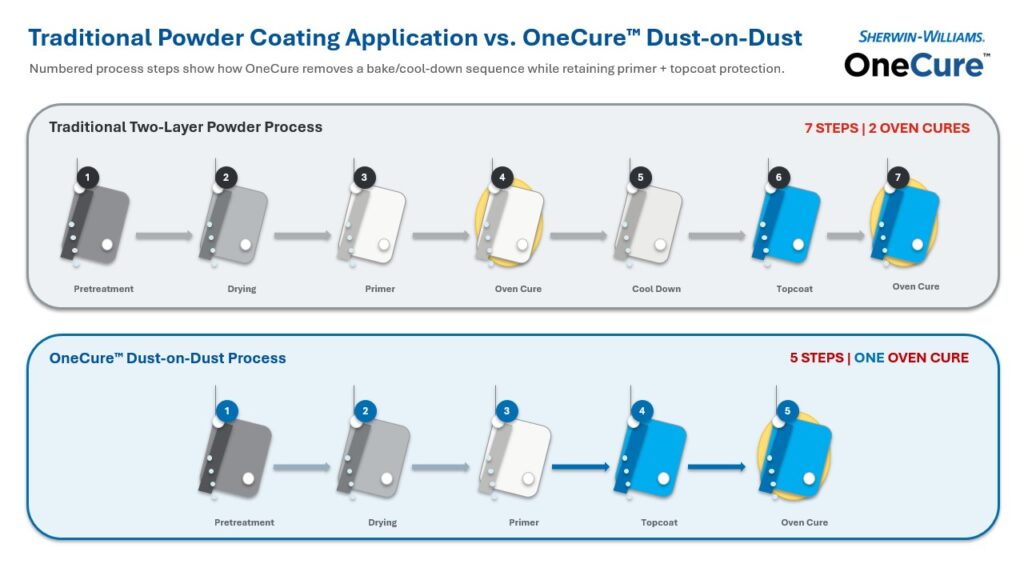
OneCure is a patented dust-on-dust (DoD) powder-coating system that allows primer and topcoat to cure together in a single bake. OneCure has transformed finishing operations for original equipment manufacturers (OEM) needing speed, durability and consistency at scale. Built from multiple DoD systems proven in the field for more than 15 years, the portfolio enables manufacturers in transportation, heavy equipment and energy to streamline operational efficiency and improve coating performance while reducing energy consumption and process complexity. The system uses a patented crosslinking process so primer and topcoat cure at once, enhancing intercoat adhesion, and removes a second bake cycle and reduces material handling. It lowers energy use and the amount of production floor and oven space required, and also improves coating uniformity and edge coverage while delivering lasting corrosion resistance. OneCure supports multiple primer chemistries (super-durable polyester, polyester/epoxy hybrid, epoxy and zinc-rich epoxy) to work with a single super-durable polyester topcoat. Customer results have reported: 30%-40% faster cycle times versus a traditional two-bake system; Up to 75% fewer corrosion-related claims versus a direct-to-metal system; Up to 50% reduction in work-in-process inventory versus traditional two-bake systems; and Up to 50% reduction in footprint to designated part-finishing areas. — Sherwin-Williams General Industrial Coatings, Minneapolis, Minn.
Source: Sherwin-Williams