New Products & Services
August 2026
Axens S.A. (Rueil-Malmaison, France) and Raízen S.A. (São Paulo, Brazil) announce the successful start-up of a Prime-G+® FCC gasoline desulfurization unit at Raízen's (São Paulo, Brazil) refinery in Argentina, marking the 300th Prime-G+® unit licensed worldwide in 25 years.
The commissioning and start-up of the unit have been completed successfully, enabling Raízen to produce cleaner gasoline in line with stringent environmental specifications. This achievement highlights both companies' commitment to operational excellence and to reducing the environmental footprint of refining activities.
As part of this project, the unit was delivered using a modular approach, with key process modules engineered and fabricated under Axens' (Rueil-Malmaison, France) responsibility. Despite the challenges posed by the COVID-19 period, all modules were successfully delivered and installed, enabling a safe, smooth, and accelerated start-up. This modular execution significantly reduced onsite activities and allowed faster project delivery compared to conventional stick-built units.
Axens' Prime-G+® technology is widely recognized as the leading solution for FCC gasoline desulfurization. Today, around 70% of low-sulfur gasoline globally is produced using Prime-G+® technology, demonstrating its strong market adoption and proven industrial performance. The technology enables deep desulfurization of gasoline downstream of the FCC unit while ensuring optimal octane retention, a key differentiator for refiners seeking to comply with fuel specifications without compromising product value. Beyond its superior desulfurization performance, Prime-G+® helps refiners improve energy efficiency while lowering the environmental footprint of FCC gasoline treatment on their sites.
This milestone further confirms Axens' ability to deliver high-performance, flexible, and modular refining solutions tailored to the evolving needs of the industry. Initially dedicated to remote locations or projects under severe weather constraints, modularization is becoming a new standard of execution.
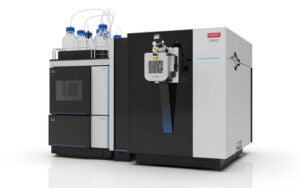
Source: Thermo Fisher Scientific
Orbitrap™ Isora™ and Orbitrap Isora Pro mass spectrometers represent this company’s first Orbitrap instruments with a dedicated isotope-ratio analysis mode. Together with the company's Vanquish™ Duo ultra high-performance liquid chromatograph (UHPLC) system and new Isotope Discoverer™ Software, the instruments form an integrated workflow designed to make molecular-level isotope-ratio analysis accessible to more laboratories and researchers worldwide. Isotope ratio analysis helps researchers across environmental science, geoscience, bioscience, food authenticity and other disciplines determine where a compound came from and what molecular processes shaped it. Those insights can help researchers trace the source of contaminants like forever chemicals in watersheds, reconstruct conditions preserved in the geological record or understand how the body uses nutrients at the molecular level. Until now, access to these insights has largely been limited to specialized isotope laboratories, putting them out of reach for many researchers.
Unlike traditional isotope ratio techniques that require samples to be converted to a simple gas, the Orbitrap Isora workflow measures isotope ratios directly at the molecular level, providing a more detailed picture of a sample’s origin and history. At the same time, the workflow simplifies an analysis that previously required multiple script-based tools and complex manual data processing. The Orbitrap Isora workflow brings these steps together, delivering results in hours instead of days and making isotope analysis more practical for a broader range of laboratories. The mass spectrometers combine electrospray ionization (ESI) with high-resolution accurate-mass (HRAM) detection to measure isotopologues and isotope ratios directly from intact molecular ions. The instruments capture multiple isotopes in a single run and offer researchers different levels of analytical capability, with up to 240K maximum resolution (at m/z 200) on Orbitrap Isora MS and up to 480K maximum resolution (at m/z 200) on Orbitrap Isora Pro MS. The Vanquish Duo UHPLC System automates the introduction of samples and reference materials, using known standards to help ensure accurate, reliable isotope ratio measurements. Finally, the new Isotope Discoverer Software, which turns the resulting isotope data into usable results by extracting isotope ratios, filtering data and applying corrections, all in one environment.
The Orbitrap Isora workflow expands what researchers can investigate with isotope ratio analysis across a range of fields, including for tracing pollution back to its source and helps track the paths PFAS and other contaminants take through watersheds, soil and food supplies, so remediation teams can target the source. Other key applications include geological and climatology studies, biotechnology development and food-and-beverage analysis. — Thermo Fisher Scientific, Inc., Waltham, Mass.
www.thermofisher.com
CorroCool is a new functional coating designed to protect industrial metal surfaces from both excessive heat and corrosion, combining this company's passive radiative cooling materials with a high-solids silane polymer system. The result is an integrated coating that delivers cooling, corrosion protection and weather resistance without requiring electricity, water or mechanical cooling equipment. The product is intended for metal roofs, petrochemical storage tanks, outdoor electrical equipment, telecommunications cabinets and other metal infrastructure exposed to intense sunlight or corrosive environments.
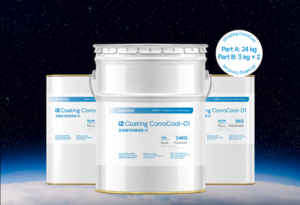
Source: I2Cool
Industrial metal assets often face two interconnected challenges. Under direct summer sunlight, the surface temperature of metal roofs, storage tanks and outdoor cabinets can reach approximately 60–80°C. Because metal conducts heat efficiently, this heat can quickly transfer into buildings, stored materials or sensitive equipment, increasing cooling demand, accelerating component ageing and affecting operational stability. At the same time, exposure to moisture, salt spray, chemicals and airborne pollutants can lead to corrosion, particularly in coastal areas, chemical facilities and other high-corrosivity environments. Conventional corrosion-resistant coatings primarily act as protective barriers but do not actively manage solar heat. Thermal-control coatings, meanwhile, may not provide the level of corrosion protection required for demanding industrial applications. CorroCool was developed to address both issues within one coating system.
Metal surfaces contain microscopic irregularities, chemically active areas and potential defects. Effective protection therefore depends on how well a coating wets, penetrates and bonds to the substrate, as well as its ability to block the movement of oxygen, water and ions. CorroCool uses a high-solids silane polymer as its primary film-forming material. During curing, silane groups hydrolyse to form silanol groups, which react with hydroxyl groups on the metal surface and create strong Si–O–metal bonds. This molecular-level bonding helps anchor the coating to the substrate. Condensation between silane molecules also forms a dense three-dimensional network, creating a physical barrier against moisture and corrosive substances. Applied at a recommended total dry-film thickness of 200–250 μm, the coating combines the following: chemical bonding with the metal substrate; a dense physical barrier against corrosive agents; and nano-functional particles that provide passive radiative cooling. Laboratory testing has recorded adhesion strength above 10 MPa under specified test conditions.
The cooling mechanism incorporated into CorroCool is inspired by the Sahara silver ant, whose microscopic hair structure helps it survive extreme desert heat by reflecting sunlight and emitting body heat as mid-infrared radiation. The passive radiative cooling technology applies a similar principle to engineered materials. CorroCool provides two complementary thermal functions: High solar reflectance (Solar reflectance of at least 92% helps prevent a large proportion of incident solar energy from being absorbed by the metal surface); and High thermal emittance (Emittance of at least 95% within the 8–13 μm atmospheric window allows heat to be released as mid-infrared radiation toward the cold outer atmosphere).
By simultaneously reducing solar heat absorption and enhancing thermal emission, CorroCool can continuously cool coated surfaces without consuming electricity. For industrial facilities, this can help reduce surface and internal temperatures, lower cooling loads and limit temperature-related losses, including the evaporation of volatile materials from storage tanks. CorroCool has been engineered for high-corrosivity and outdoor industrial conditions, including: C5 high-durability corrosion protection in accordance with the relevant requirements of ISO 12944-6; Salt-spray resistance of at least 1,440 hours; Acid and alkali resistance of at least 240 hours; and 1,500 hours of xenon-arc weathering, with approximately 12% gloss loss and a color-change rating of Grade 1.
These properties make the coating suitable for coastal infrastructure, petrochemical facilities, power equipment, industrial buildings and arid environments with high solar exposure. The product also features a primer-and-topcoat integrated design. This reduces the need for separate anticorrosive primer and thermal-control topcoat systems, helping simplify application and shorten project schedules. High tank-surface temperatures can increase evaporative or "breathing" losses of volatile materials, leading to product loss and additional emissions. By lowering solar heat absorption, CorroCool can help reduce tank temperatures and associated evaporation while providing protection against chemical exposure humidity and salt spray.
Electronic components housed in outdoor cabinets are highly sensitive to temperature. In coastal and industrial areas, these enclosures may also be exposed to severe corrosion. CorroCool helps manage external heat gain, protect the metal enclosure and support more stable conditions for internal equipment. Additional potential applications include power facilities, offshore and coastal infrastructure, industrial pipelines, metal containers and outdoor manufacturing equipment.
Designed for efficient field execution, CorroCool features a primer-and-topcoat integrated formulation that simplifies surface preparation and coating application. By eliminating the need for separate anticorrosive primers and heat-reflective topcoats, the single-system application significantly streamlines project workflows, reduces labor costs, and shortens maintenance downtime for large-scale industrial facilities.
Rather than adding a cooling layer to a conventional anticorrosive coating, CorroCool treats the metal surface as an integrated functional interface: silane chemistry anchors the coating to the substrate, a dense polymer network provides corrosion resistance, and nano-functional materials regulate heat through solar reflection and radiative emission. — I2Cool Ltd., Hong Kong
Source: Industrial Scientific Corp.
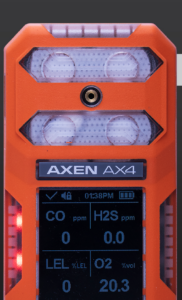
Axen AX4 is a new, practical four-gas monitor designed to help organizations protect workers with dependable gas detection that is easy to deploy, use and maintain. Not every organization requires a highly connected gas-detection program. Many contractors, rental providers, and industrial operations need reliable personal gas monitoring that keeps workers protected with only the essentials. Axen AX4 meets those everyday work needs. Simple operation, fast charging and short lead-times help keep monitors in service and workers focused on the task at hand. With the simplicity of Axen AX4, organizations can quickly deploy monitors across contractor crews, rental fleets, shutdowns and turnarounds and other daily industrial applications Ready for demanding industrial environments, Axen AX4 combines dependable four-gas detection with a bright, easy-to-read display and 24-hour battery life. Fast charging allows the device to reach a full charge in less than two hours, helping maximize instrument readiness. With the launch of Axen AX4, this company also introduces Axen AX1, a single-gas monitor built with the same practical approach for applications where workers only need protection from a single atmospheric hazard. — Industrial Scientific Corp., Pittsburgh, Pa.
Source: Blackmer
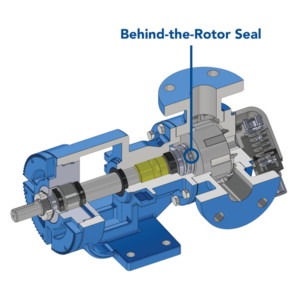
This company's G Series internal gear pumps are now available with a behind-the-rotor seal option, which is designed to deliver improved protection and performance when handling abrasive materials across a wide range of applications, including starches, inks, pulp, resins and adhesives. Engineered for serviceability and longevity, the behind-the-rotor seal option is designed to prevent process fluids and abrasive materials from contacting drive components of the G Series. This results in reduced wear, simplified maintenance and increased uptime for operators. The configuration is available in Type 1 or Type 8 seal configurations for greater flexibility and supports the use of a lower-cost bronze bushing when pumping abrasive materials. Initially available on G3-2 through G3-69 cast iron models, additional materials are planned for future releases. — Blackmer, a brand of PSG, Grand Rapids, Mich.
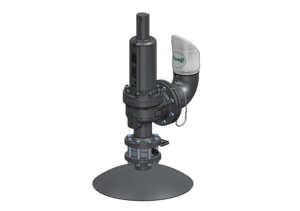
Source: Rembe Gmbh Safety+Control
Tube-End-Protection (TEP) is a protective cover made of breathable yet robust and waterproof polyethylene (PE) fleece that fits onto the discharge pipes of pressure-relief devices, which are responsible for ensuring ensures the safe discharge of the depressurized medium to a safe location. These pipes must be dimensioned and designed to effectively handle the resulting pressure drop, absorbing the resulting reaction force and ultimately discharging the process medium safely from the system. If the process medium is such that venting into the free atmosphere is possible, special attention must be paid to the end of the discharge pipe in order to ensure the unrestricted function of the safety valve. However, such pipes can become blocked or impaired for a number of reasons, including rain, snow, leaves and more, creating severe potential process risks. TEP effectively protects the open end of the discharge pipe against weather and environmental influences, thus ensuring unhindered pressure relief at all times. An integrated elastic band enables a perfect fit around the pipe. This prevents leaves or animals from entering or clogging the discharge pipe. A 45-deg bevel allows rainwater to run off, preventing water pockets from forming. Thanks to the breathable material, the space between the safety fitting and the protective cover is always depressurized, so it is not necessary to monitor the gap. When a safety device is activated and releases into the discharge pipe, the TEP detaches from the pipe and tears apart with minimal fragmentation as it flies away. Premature and uncontrolled slipping of the TEP due to wind is prevented by the tight and elastic rubber band. A positive side effect is that the TEP makes it easy to visually recognize when the safety armature has been triggered. An optional fastening set, consisting of a retrieval rope with integrated carabiner, prevents the canopy from flying away in an uncontrolled manner. The fastening set is reusable and does not need to be replaced after triggering.— Rembe GmbH Safety+Control, Brilon, Germany
This company has launched new high-temperature perfluoroelastomer (FFKM) and fluoroelastomer (FKM) materials that are fluorosurfactactant free, meaning they are made without low-molecular-weight PFAS fluorosurfactants.
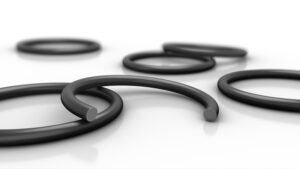
Source: Trelleborg
Isolast® PureFab® JPF50 is a high-purity FFKM formulated to meet stringent purity and plasma resistance requirements across diverse chemistries and the most common thin-film precursors. It is manufactured without fillers or fluorosurfactants, extends service life and increases yields. JPF50 helps reduce risks of contamination and maximizes process yields through its extremely low outgassing and minimal particle emission, performing exceptionally at high temperatures of up to 300°C/+572°F, ensuring reliable sealing in the harshest environments. It is designed with low compression set and robust mechanical strength to support longer intervals between maintenance and help minimize unplanned downtime. JPF50 excels for seals and components within deposition processes (PECVD, HDPCVD, PEALD) and etching processes (ALE, dry etching), and is ideal for chamber lid and gas inlet seals as well as bonded slit valve door seals.
Isolast® PureFab® JPF58 is an FFKM developed for sustained, reliable operation in the most extreme temperature environments where long-term thermal stability and purity are essential. JPF58 delivers exceptional thermal stability up to +300 °C/+572 °F for consistent seal integrity over extended use, and resists cracking when exposed to high mechanical and thermal stress, contributing to longer service life. Withstanding exposure to harsh process and exhaust gases, JPF58 provides proven reliability in demanding applications, maintaining dimensional stability during continuous operation under high loads and elevated temperatures. The material is ideal for seals and components within high-temperature processes including RTP, ALD, CVD and diffusion furnaces, quartz tube, plenum, chamber and furnace door seals, and exhaust and vacuum connection flanges and centering rings.
PureFab® VPF20 is a high-purity fluoroelastomer (FKM) that ensures contamination-free production to meet the stringent demands of semiconductor and flat panel display manufacturing. It combines a fluorosurfactant-free base polymer with high-purity synthetic fillers to help minimize metallic contaminants and ionic extractables, delivering exceptional performance and reliability in purity critical applications. With robust mechanical strength and elastic recovery, VPF20 provides greater durability in both static and dynamic sealing applications, and demonstrates strong chemical resistance with key process chemistries. VPF20 delivers a more cost-effective option than FFKM for applications with moderate temperatures and medium chemical demands. It is ideal for manufacturing seals in transfer modules, load locks, equipment front end modules (EFEM) and vacuum handling systems, general purpose vacuum seals and flat panel display manufacturing equipment, and purity critical applications where standard black FKMs risk contamination.
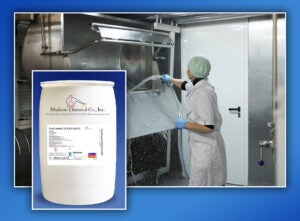
Source: Madison Chemical
ProClean DEGREEASER is a liquid, moderately alkaline, multifunctional detergent for general-purpose cleaning and degreasing in food and beverage plants. This water-based degreaser has superior penetrating and wetting properties for fast and complete oil and grease removal. It is effective under hard water conditions, and rinses easily and completely. As an NSF registered product, ProClean DEGREASER is acceptable for use as a general cleaner (A1) on all surfaces in and around food processing areas, where it is not intended for direct food contact. All food products and packaging materials should be removed or protected prior to product use. When used according to manufacturer’s directions the product does not exhibit a noticeable odor nor leave a visible residue. ProClean DEGREASER is ideal for manual cleaning of machinery and equipment, floor cleaning, and general-purpose cleaning in food and beverage processing facilities. It is well suited for use with floor scrubbers, manual cleaning processes, immersion tanks, foam generating equipment, low and high pressure non-recirculating sprayers, and more. Water temperature and dilution will vary depending upon soil loading and the specific nature of the application. — Madison Chemical Co. Inc., Madison, Ind.
Source: APR
Source: MAJOR Wire Industries
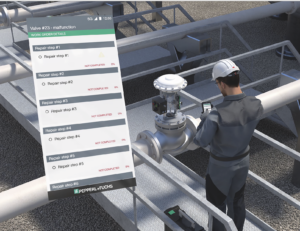
The Smart-Ex 203 is a new 5G smartphone device certified specifically for use in Zone 2/22 and Division 2. The Smart-Ex 203 supports and advances digitalization, and is future-ready thanks to Android Enterprise Recommended and ARCore certification, as well as continuous and long-term security updates through March 2032. With its focus on 4G and 5G connectivity, the explosion-proof Smart-Ex 203 supports the use of campus networks. The 6.3-in. smartphone provides mobile workers with long-lasting support for all AR applications or digital processes. Its design and certification for Zone 2/22 and Division 2 makes the device a perfect addition to Pepperl+Fuchs’ current portfolio.
Source: Pepperl+Fuchs
The Smart-Ex 203 offers a range of proven features designed to simplify mobile work and communication in harsh, demanding industrial environments. A fingerprint sensor unlocks the phone without entering a code, enabling biometrically supported multi-factor authentication for maximum security. “Glove Mode” increases the touch screen’s sensitivity, allowing the device to be operated accurately even while wearing gloves, helping to improve both efficiency and safety in the workplace. Another practical feature is “Double-Tap,” which allows users to lock the smartphone by simply double-tapping the home screen. This eliminates the need to locate the side power button, making the device easier to operate while wearing gloves. The feature also provides added convenience for both left- and right-handed users. Additionally, the Smart-Ex 203 is equipped with the innovative “Smart Call Handling” feature, which enables intuitive call management through simple hand gestures. Users can answer an incoming call by simply raising the device to their ear, reject a call by shaking the device, and mute an active call by tilting it. These gesture-based controls make call handling faster, more convenient, and easier to use in demanding work environments. Additional features include: a rear camera with 48 megapixels; an autofocus and an LED flash; as well as a front camera with a resolution of 16 megapixels. The LED can also be conveniently used as a flashlight. The Smart-Ex 203 can be used to take not only high-quality pictures but also videos in full HD resolution. Accessories include a scanner module that transforms the Smart-Ex 203 into a convenient 1-D/2-D barcode scanner. — Pepperl+Fuchs, Mannheim, Germany
Source: DENIOS
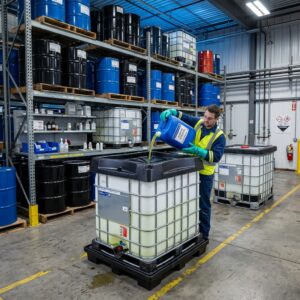
This company has introduced a new ergonomic IBC Funnel for the fast, safe, and efficient refilling of IBC totes. Constructed of chemical resistant polyethylene (PE), this model is easily fitted to a standard IBC tote and includes rounded edges which make it easier for the user to position over and use the funnel. Liquids run through the channels into a 6-inch drain opening designed to fit standard IBC tote connections. The New Ergonomic IBC Funnel is approximately 50 x 41” x 7.7” and has a 15-gal capacity. It is ideal for the safe, fast, and efficient refilling of totes, making it a useful addition for any facility using IBC containers. —Denios, Louisville, Ky.
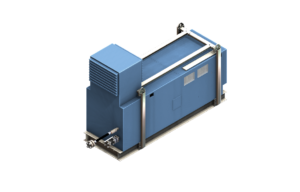
This company has recently launched its High-Pressure Wash System, purpose-built for precision cleaning in demanding industrial situations, including fouled heat-transfer surfaces, dust-laden fans, blocked ducts and contaminated process equipment, all of which can quietly erode energy efficiency, increase operating costs and reduce asset reliability. Engineered for a wide range of industrial applications, the solution is well suited for sectors such as mining, power generation, cement, manufacturing, petrochemicals, ports and bulk materials handling. It is powered by this company's Envelope Intelligence platform, combining high-pressure cleaning performance with intelligent controls to help operators improve asset reliability, reduce energy consumption and lower maintenance costs. According to the company, the technology can deliver energy savings of 20-30%, reduce carbon emissions by a similar margin and extend component life by between 20% and 40%. The system's versatility allows it to be used for cleaning functions as diverse as cooling coils, air preheaters, electrostatic precipitators, boilers and solar panels. Optimized wash cycles reduce water consumption, while longer equipment life means fewer replacement components and less waste over time. Reliability is enhanced by reduced mechanical stress on the crankshaft, crosshead and seals – as well as lower cavitation and pressure spikes.
Source: Armstrong Industrial
The High-Pressure Wash System is available in both low-flow and high-flow configurations to suit different cleaning requirements. The low-flow variant delivers flowrates from 10 to 70 liters per minute, while the high-flow version provides between 70 and 120 liters per minute. Both configurations operate at pressures ranging from 300 bars to more than 1,000 bars, providing the flexibility required for everything from routine maintenance cleaning to large-scale industrial washdown applications. — Armstrong Industrial, Toronto, Ont., Canada
Source: Readco Kurimoto
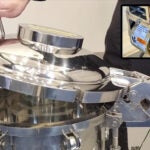
The RK Safety Hinge has been devised to reduce the risk of repetitive strain and injury when lifting heavy covers on tanks, reaction vessels, pressure vessels and other equipment. The RK Safety Hinge features a proprietary, spring-assisted mechanism that when installed on the lid or cover, reduces its lifting weight by up to 80% without the use of electricity. When the lid is opened, the RK Safety Hinge locks it in the raised position with a built-in safety pin, and during closure, the clever device helps to slow the descent for a safe return into position. The potential for pinching injuries, back injuries, and other hazards is reduced along with corresponding workers' compensation claims. Suitable for installation on process equipment in food, chemical, pharmaceutical, and other facilities, the RK Safety Hinge sports a waterproof design with stainless steel construction as standard to withstand frequent washdowns in sanitary processes and permit permanent placement outdoors. The line of RK Safety Hinges comprises seven standard models that accommodate lids ranging in weight from 13. to 293 lb. with a range of custom options to suit the port dimensions, materials, environmental conditions, and other requirements. The line of RK Safety Hinges may be retrofit onto tanks, vessels, mixers, reactors, and other equipment currently in operation and is available to OEMs for addition during manufacture. — Readco Kurimoto, LLC, York, Pa.
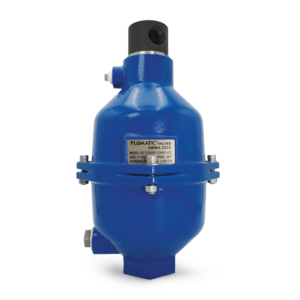
The new Sewair‑Combo® NXC, a Next Generation Compact (NXC) combination air valve is engineered to provide reliable air release, vacuum protection and continuous air management in municipal and industrial wastewater systems. Designed in accordance with AWWA C512, the Sewair‑Combo® NXC helps utilities improve hydraulic efficiency while protecting critical pipeline infrastructure from damaging air-related conditions. Effective air management is essential to the performance and longevity of wastewater collection systems and force mains. Entrapped air can restrict flow, increase pumping costs, contribute to surge conditions, and accelerate wear on system components, while vacuum conditions can place pipelines at risk of collapse and column separation. Ideally suited for wastewater force mains with changing slopes and critical high points where air pockets commonly accumulate, the Sewair‑Combo® NXC provides a reliable solution for maintaining system efficiency, improving operational reliability, and safeguarding valuable infrastructure assets.
Source: Flomatic
The Sewair‑Combo® NXC combines three essential functions into a single compact, full-bore solution: Automatically releasing large volumes of air during pipeline filling; Admits air during pipeline draining or sudden flow interruptions to prevent vacuum conditions; Continuously releases entrapped air while the system remains under pressure. Engineered specifically for demanding wastewater service, the Sewair‑Combo® NXC features a powder fusion-bonded epoxy coated ductile iron body, 316 stainless steel float, and stainless-steel internal components that provide superior corrosion resistance in aggressive sewage environments. Its innovative sloped, funnel-shaped lower body helps minimize the accumulation of grease and debris, supporting dependable operation and reducing maintenance requirements. Designed with serviceability in mind, the valve incorporates two cleanout and drain ports that simplify inspection, draining, testing, and backflushing procedures. Available in a 2-in. NPT configuration and rated for operating pressures from 3 PSI to 230 PSI, the Sewair‑Combo® NXC delivers dependable, low-maintenance air management and infrastructure protection across a wide range of municipal and industrial wastewater applications. — Flomatic Corp., Glens Falls, N.Y.
Source: AFC
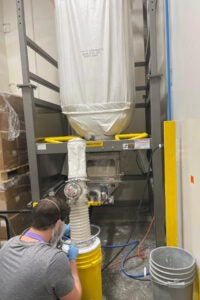
A new dust-tight bulk-material handling system integrates this company's bulk bag unloader (BBU) with its AFC Spiralfeeder screw conveyor as a single, sealed unit. First developed for a major nutritional product manufacturer, the integrated powder-handling system automatically empties bagged bulk materials into the conveyor and transfers them into a hopper, mixer, reactor or other equipment under containment throughout the process. Dust escape and/or spillage into the workplace may be eliminated. Suitable for installation in food, plastics, chemical, pharmaceutical, and other facilities where hygiene is paramount, the automated bag unloader and conveyor eliminates cumbersome manual powder handling, helps safeguard against combustible dust incidents, and eliminates the need for workers to wear personal protective equipment (PPE) during material transfer. Costly material waste and labor-intensive housekeeping tasks are reduced while cleanliness is improved. — Automated Flexible Conveyor (AFC), Clifton, NJ
Source: Sensirion
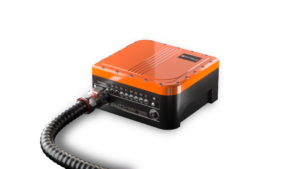
DynamiQ-X universal is a new system for globally deployable micro-gas chromatograph technology. Engineered for organizations operating in demanding industrial and hazardous environments, the DynamiQ-X universal is. certified to ATEX, IECEx and cQPSus requirements to meet stringent global compliance requirements, enabling safe and reliable deployment across Europe, North America and other international regions. A permanently attached Ex-rated cable configuration ensures consistent installation standards, reduces variability and simplifies integration across a range of operational sites. For multinational companies, this universal design significantly reduces complexity by providing a single, standardized solution for worldwide use. As part of the DynamiQ-X product family, the DynamiQ-X universal is a compact micro-gas chromatograph analyzer designed for continuous monitoring of gas mixtures in industrial processes and factory automation. The miniature instrument delivers a complete gas composition analysis in just 30 seconds. Leveraging advanced backflush-to-detector technology, it performs simultaneous foreflush and backflush analysis while protecting the GC column to extend durability and maintain high performance operation. With its combination of worldwide certifications, standardized configuration and robust safety technology, the DynamiQ-X universal sets a new benchmark for global deployment. It empowers customers to operate safely and efficiently—anywhere in the world. — Sensirion AG, Stäfa, Switzerland
Source: Goulds Pumps
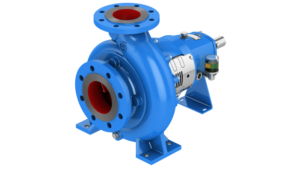
The new ICi chemical process pump is engineered to provide expanded hydraulic coverage, configuration flexibility and enhanced durability. Building upon this company's IC pump range, the new ICi series has 54 pump size varieties, coverage hydraulic capacities up to 1,600 m³/h, nearly four times existing IC models. Both closed and semi-open impeller design options are available. The semi-open design includes a replaceable wear plate design, which is new to the brand’s IC process portfolio. The new release comes in response to customers’ need for more flexibility in pump offerings across industrial applications like oil and gas, chemical processing and water/wastewater management. Accurate pump sizing minimizes wear, reduces maintenance requirements and extends equipment life, ensuring reliable operation even in the most challenging conditions. — Goulds Pumps, an ITT Company, Seneca Falls, N.Y.
Source: Titan Enterprises
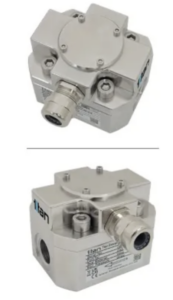
This company has announced the release of a newly engineered design for the OG3 and OG4 oval-gear flowmeter models. While delivering enhanced performance for hygienic processing applications, these models still maintain the original dimensions of the previous oval gear products to allow interchangeability within customers’ existing systems. Designed for use in industries where cleanliness, accuracy and reliability are critical, the new OG3 and OG4 flowmeters feature an electropolished stainless-steel finish that provides a smooth, easy-to-clean surface suitable for food and beverage, pharmaceutical, biotechnology, cosmetics and personal care manufacturing environments. A key advancement in the redesign is the transition from a cast body construction to a fully machined, engineered design. The precision-machined construction not only enhances mechanical strength but also supports the high levels of measurement accuracy and repeatability for which Titan’s oval gear flowmeters are recognized. The new OG flowmeter design with Hall effect detection, also benefits from an upgraded circuit board with added protection from mis-wiring or electrical surges, as well as offering both NPN and PNP outputs as standard (up to 100°C max). The OG3 and OG4 flowmeters provide precise volumetric measurement of liquids across a wide viscosity range. Their robust construction and compact footprint make them suitable for both OEM integration and end-user installations where dependable flow measurement is essential.— Titan Enterprises, Ltd., Sherborne, U.K.
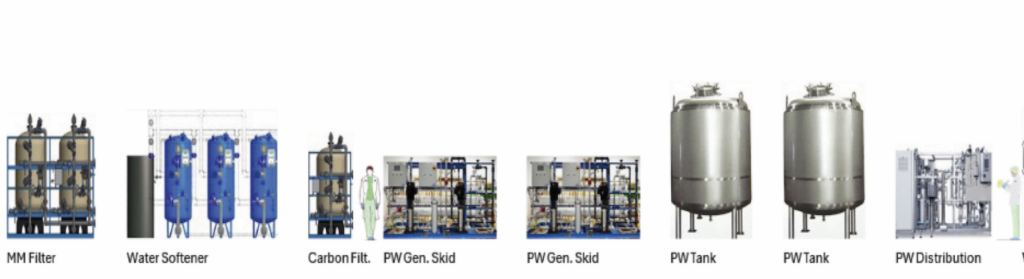
PharmaWater Pro® is a modeling platform (part of this company's consulting services) for pharmaceutical manufacturers planning new facilities or evaluating upgrades to existing water purification infrastructure. Pharmaceutical manufacturing plants depend on highly engineered systems to produce purified water (PW), water for injection (WFI), and pure steam. These systems represent a significant share of a facility’s utilities demand and can influence long term operating costs, maintenance requirements, and environmental performance. Yet key technology decisions are often made early in project development when limited information is available. PharmaWater Pro® is engineered to help address this challenge. The engineering platform can model pharmaceutical water systems at the conceptual stage, providing insight into how different technology choices affect utilities, sustainability metrics, and long-term operating performance before capital investments are made. The platform models systems from city water feed through purification, storage, and distribution to the point of use, enabling engineers to evaluate the full infrastructure rather than individual components in isolation. Using PharmaWater Pro®, engineers can size and configure water purification equipment, compare alternative technologies and estimate key operational parameters, including energy consumption, water usage, wastewater generation, carbon emissions, capital costs and operating costs.
Source: Genesis AEC
The platform supports two primary evaluation approaches. In design mode, engineers generate conceptual configurations for new facilities, providing preliminary equipment sizing and utility requirements that can inform facility planning and layout development. In rating mode, the platform analyzes existing systems or vendor proposals by modeling actual equipment selections, allowing project teams to compare performance across different technologies or suppliers. This type of early modeling can reveal lifecycle considerations that may otherwise be overlooked during initial project planning. Different purification technologies, such as multi effect stills, vapor compression systems, and membrane-based processes, have distinct energy requirements, maintenance profiles, and service life expectations. Understanding these differences early can help engineering teams balance sustainability objectives, operational reliability and long-term costs. — Genesis AEC, Blue Bell, Pa.
Source: IPCO
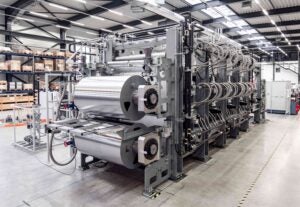
Following the 2025 acquisition of New Era, this company now offers a complete, continuous battery-manufacturing solution that combines web handling, coating, calendering and double-belt pressing in a single scalable workflow. The integrated approach addresses one of the battery industry's key challenges: connecting multiple process steps into a seamless, high-throughput production line. Electrode materials can be prepared and processed continuously before entering this company's double-belt press systems, where precisely controlled pressure and temperature are applied to densify, consolidate and laminate multi-layer electrode structures. The result is a comprehensive manufacturing platform for both dry-electrode and solid-state battery production, where strong interlayer bonding, effective densification and consistent product quality are essential to achieving reliable cell performance at scale. — IPCO AB, Sandviken, Sweden
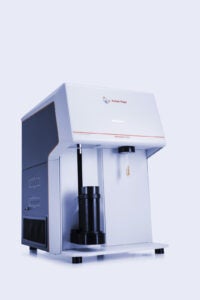
Source: Anton Paar
The Autosorb 3300 system introduces a new generation of flow chemisorption analysis designed to make advanced catalyst characterization more accessible, reproducible and efficient. Autosorb supports key chemisorption techniques used in catalyst research, development and quality control, including temperature-programmed reactions, pulse titration and active surface-area analysis. Its high-temperature furnace reaches up to 1,200 °C with heating rates of up to 100°C per minute, enabling demanding catalyst studies while maintaining safe-touch operation through integrated cooling. Automated sample loading and sealing, programmable gas blending and software-controlled selection of pre-calibrated injection loops help laboratories achieve consistent results with fewer manual steps. This is particularly valuable in industrial environments where reproducibility, throughput, and user-independent workflows are critical. For chemical producers, catalyst developers and research institutions, Autosorb 3300 delivers the performance needed to evaluate catalyst activity, dispersion, active metal area and reaction behavior with confidence. — Anton Paar GmbH, Graz, Austria